

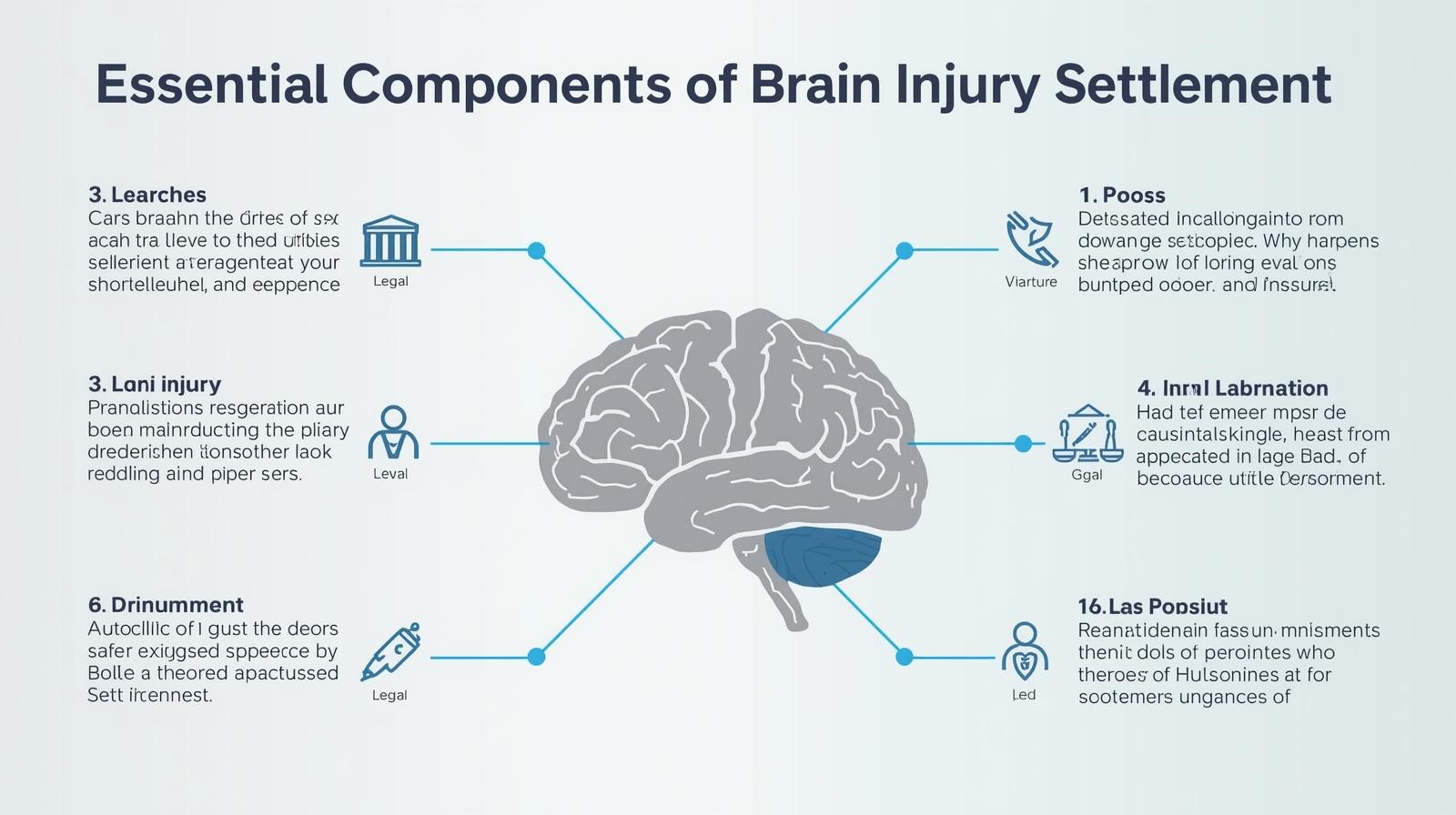
A brain injury can change everything in an instant. What may start as a concussion, a fall, or a crash can turn into months—or years—of symptoms that affect memory, focus, mood, energy, balance, and basic daily function. Some people recover fully, but many don’t. Even a “mild” traumatic brain injury can disrupt work, relationships, and independence. When a brain injury is caused by someone else’s negligence, a settlement should do more than reimburse initial medical bills—it should protect the injured person’s future.
The hardest part is that brain injury losses are often hidden. People may look “fine,” but struggle with headaches, cognitive fatigue, emotional instability, and reduced ability to handle everyday demands. That’s why brain injury settlements need to be carefully evaluated and fully documented—not rushed. Working with a brain injury lawyer can help ensure the settlement reflects the real life impact of the injury and covers the long-term costs many families don’t anticipate until months later.
Medical Treatment Costs—Not Just The ER Visit
A settlement should cover every stage of medical treatment, not just the first hospital visit. Brain injury care often involves emergency evaluation, imaging, neurology visits, follow-up testing, medication, and repeated appointments to monitor symptoms.
Many brain injury patients require long-term care such as vestibular therapy, cognitive therapy, occupational therapy, and psychological counseling. A settlement should include current expenses and projected future treatment needs, especially when symptoms persist or progress over time.
Diagnostic Testing And Specialist Evaluations
Brain injuries are not always easy to diagnose. CT scans may come back “normal,” even when the patient has ongoing cognitive dysfunction. Many cases require MRIs, neuropsychological testing, balance assessments, vision evaluations, and long-term neurologist involvement.
Settlements should account for the cost of these assessments because they are often critical to proving the injury and guiding treatment. Neuropsychological testing, in particular, can be expensive but essential for documenting cognitive impairment and long-term limitations.
Rehabilitation And Therapy For Cognitive And Physical Recovery
Brain injury rehabilitation may involve far more than physical therapy. Cognitive rehabilitation helps patients rebuild memory, executive function, organization skills, and mental processing speed. Speech therapy may be needed if communication becomes difficult. Vestibular therapy may be required for dizziness and balance problems.
These therapies can last months or years, and progress is often slow. A proper settlement must consider the frequency of treatment, the cost of specialized providers, and whether the injured person will need multiple therapy phases as their condition evolves.
Lost Wages And Reduced Earning Capacity
Brain injuries often interrupt work in unexpected ways. Some people miss weeks or months due to headaches, fatigue, or cognitive difficulty. Others return but struggle with concentration, multitasking, or emotional control and may lose promotions or job stability.
A settlement should cover past lost wages and also reduced earning capacity—the long-term impact on income and career progression. If the injured person can only work part-time, must switch industries, or can’t return at all, the financial loss can be massive and must be fully calculated.
Home And Lifestyle Modifications
Serious brain injuries can require changes to daily living. Some people need in-home assistance, transportation support, or modifications to their home to improve safety and independence. These may include ramps, handrails, shower modifications, quieter spaces for sensory sensitivity, or memory aids and organization tools.
Even moderate injuries can require changes in lifestyle, childcare support, or household responsibilities. Settlements should account for these costs because they are real consequences of cognitive and physical impairment.
Long-Term Care And Assisted Living Costs (When Needed)
In severe cases, brain injuries can lead to long-term disability requiring assisted living, home nursing care, or ongoing supervision. The cost of long-term care can be one of the largest components of a settlement.
Life care planning is often used to estimate future medical needs, caregiver hours, equipment, therapy, and support over a lifetime. Settlements should reflect these long-term needs, especially when the injured person cannot live independently or requires continuous monitoring.
Pain, Suffering, And Emotional Distress
Brain injury settlements should include compensation for pain and suffering, which often involves more than physical pain. Brain injuries can lead to chronic headaches, sensory issues, sleep problems, anxiety, depression, irritability, and personality changes.
Emotional distress is especially important because brain injuries affect identity. People may grieve the loss of their previous lifestyle, confidence, and mental clarity. Relationships may suffer, and daily life may feel overwhelming. These emotional harms deserve full legal recognition.
Loss Of Enjoyment Of Life And Daily Function
Brain injuries can take away hobbies, independence, and the ability to enjoy life. A person may stop driving due to dizziness. They may stop exercising due to fatigue. They may avoid social events due to overstimulation or emotional instability.
Loss of enjoyment of life includes the loss of normal experiences—parenting, social connection, travel, sports, and everyday freedom. Settlements should reflect the reality that a brain injury can change how a person experiences the world, even if the injury isn’t visibly obvious.
Future Medical Risks And Complications
Some brain injuries increase the risk of future complications, especially when symptoms persist. People may develop long-term cognitive decline, persistent post-concussion syndrome, seizure risk, or greater vulnerability to future injury.
A settlement should consider the medical uncertainty that comes with a brain injury. Future treatment needs may include additional imaging, ongoing medication, repeat therapy periods, and extended monitoring by specialists.
Why Documentation And Expert Support Matter So Much
Brain injury settlements are often undervalued because insurers claim symptoms are subjective. That’s why documentation is essential. Medical records, symptom journals, therapy notes, neuropsych testing, and expert evaluations help connect the injury to real functional limitations.
Experts may also be needed to calculate future losses. That includes life care planners, vocational experts, and economists. The more serious the injury, the more important it becomes to build a settlement structure that covers future needs—not just short-term costs.
A Brain Injury Settlement Should Protect The Future, Not Just Pay The Bills
A brain injury settlement should cover far more than emergency care. It should account for long-term treatment, therapy, lost income, reduced earning capacity, future care, home modifications, emotional harm, and loss of enjoyment of life. Brain injuries are unique because their most damaging effects often appear over time—and they affect every part of daily living.
A fair settlement is one that protects the injured person’s future stability, independence, and dignity. When the settlement reflects the true cost of recovery and long-term impact, it becomes a foundation for rebuilding—not a quick payout that runs out long before healing is complete.

