

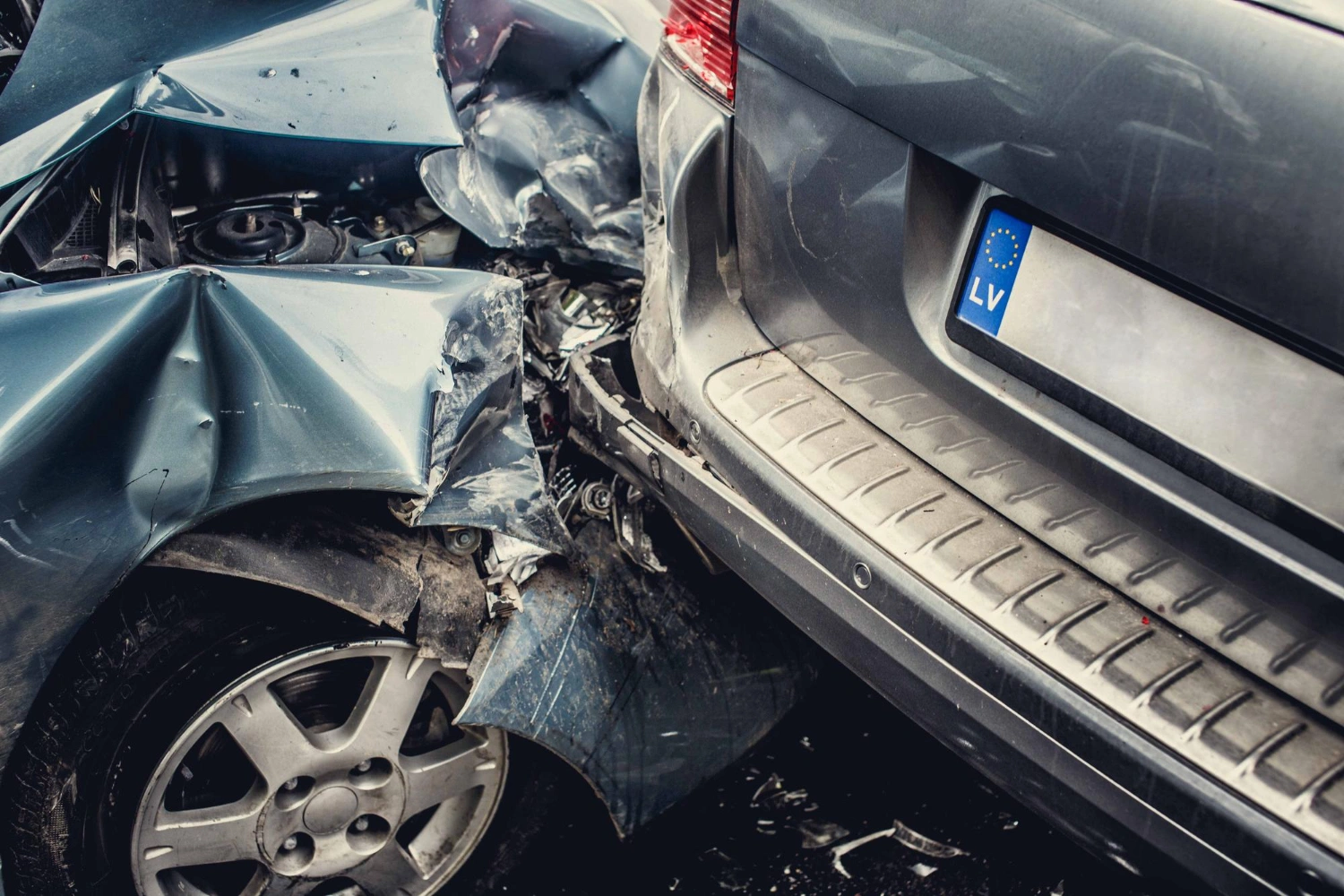
Modern roadways are demanding environments that require total concentration from every driver today. A person must process visual data while making split-second decisions to stay safe. A momentary lapse in focus can transform a routine commute into a life-changing crisis in an instant for most people who share the asphalt. The human brain is not built for multitasking at high speeds despite what many people believe about their own abilities.
We often think we can handle a quick glance away from the road without any risk. However, the margin for error at high speeds is incredibly thin and unforgiving for everyone involved in a crash. Distracted driving occurs when a driver diverts their attention toward an activity that is not related to the primary task of operating the vehicle. This loss of focus creates a dangerous gap in awareness that leads to thousands of preventable collisions every year. It remains a growing concern for safety experts and law enforcement agencies.
Table of Contents
Visual Manual and Cognitive Distractions
Safety experts categorize distractions into three main types based on how they pull a driver away from the task of navigating. Visual distractions are those that cause a person to take their eyes off the road to look at something else. Even a few seconds of blindness can lead to a devastating result.
Manual distractions involve taking one or both hands off the steering wheel to perform a different task. This might include reaching for a drink, adjusting a mirror, or holding a mobile device while moving. Without hands on the wheel, a driver cannot react to a sudden obstacle or a lane change effectively.
Cognitive distractions occur when the driver’s mind is not focused on the road, even if their eyes are forward. This happens during intense conversations or when a person is daydreaming about their plans for the day. A wandering mind is just as dangerous as a wandering eye when it comes to traffic safety.
Reaction Time and Stopping Distance
The physics of a car crash are dictated by the relationship between speed and the distance required to come to a stop. When a driver is focused, they can typically react to a hazard in about one second. This delay is the baseline for calculating how much road is actually needed.
During a distraction, that reaction time can double or triple depending on the complexity of the task being performed. At sixty miles per hour, a car travels nearly ninety feet every single second. A three-second glance at a phone means the vehicle travels almost the length of a football field blindly.
This delay in braking or steering significantly increases the force of any impact that occurs. A driver who is not paying attention often fails to slow down at all before the collision. The lack of a defensive maneuver turns a minor fender bender into a high-speed wreck with serious consequences.
Everyday Habits That Cause Crashes
Many of the most dangerous distractions come from the everyday habits that drivers perform without a second thought. Checking a text message or a social media notification is a primary cause of accidents in the modern world. The urge to stay connected often overrides the need for physical safety on the road.
Interacting with the built-in controls of a vehicle can also lead to a dangerous loss of focus for several seconds. Adjusting the climate control or the navigation system requires both visual and manual attention. These sophisticated features can sometimes be as distracting as the mobile phones they are meant to replace.
Passengers and pets inside the cabin create a dynamic environment that frequently pulls a driver’s focus away from the windshield. A crying child or a lively conversation can be just as problematic as a digital screen. Managing these internal distractions is a vital part of being a responsible and safe operator.
Why Distraction Is Hard to Prove
Proving that a driver was distracted at the exact moment of a crash is a difficult task for investigators and lawyers. Unlike a breathalyzer for alcohol, there is no immediate chemical test that can show a person was looking at a screen. It requires a deep dive into different types of evidence.
Digital logs from mobile devices can provide a timeline of when a text was sent or a call was made. However, these records do not always show if a person was using a hands-free system or if the passenger was the one typing. Untangling these technical details takes time and specialized expert knowledge.
Witness statements and video footage from dash cams or traffic sensors are often the best ways to confirm a distraction occurred. Seeing a driver’s head down or their hands off the wheel provides the objective proof needed for a claim. Without these external sources, cases often come down to one person’s word.
Also Read: Elevate Your Brand with High-Quality Stationery Printing from Morgan Printing
Consequences Beyond the Impact
The consequences of a distraction-related crash extend far beyond the immediate damage to the metal and glass of the cars. Survivors often deal with long-term physical injuries that require months of expensive medical treatment and therapy. The financial burden can be overwhelming for families who were once stable and secure.
Liability in these cases is often a major point of contention during the legal process that follows the event. A driver who is found to be distracted may face criminal charges in addition to a civil lawsuit for damages. The stigma of causing a preventable injury can follow a person for many years.
Ultimately, the goal of awareness is to prevent these tragedies from happening in the first place through better education. By understanding the risks, we can make better choices behind the wheel every single day. Staying focused is the most important responsibility we have when we choose to drive a vehicle.

