

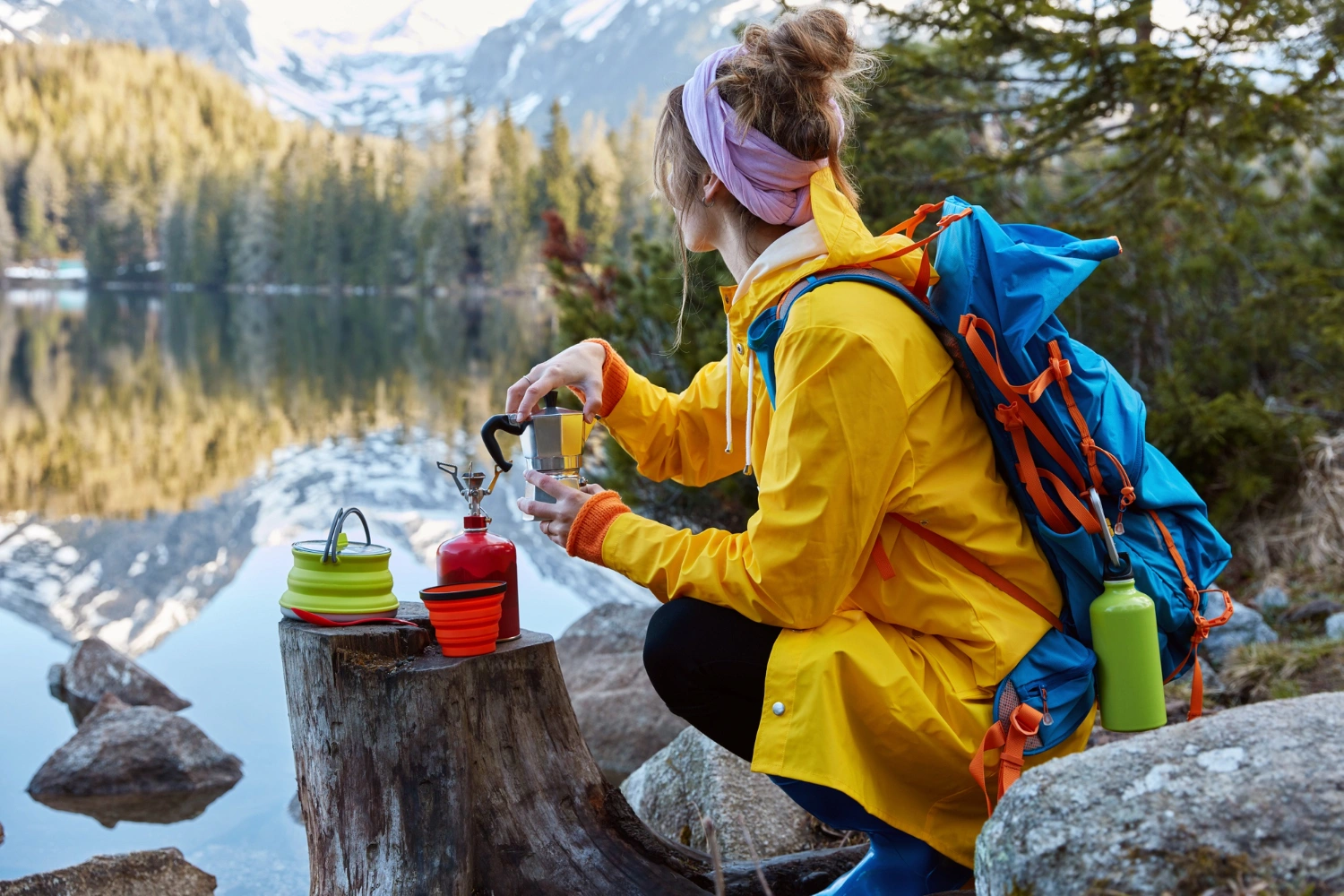
Escaping the constant hum of digital notifications for the quiet crackle of a campfire is a trade most people would make in a heartbeat. However, the difference between a refreshing retreat and a stressful weekend often comes down to the details. Stepping into the woods requires a shift in mindset; you are trading convenience for connection, and that swap works best when the logistics are handled long before the car is packed.
Reliable tips for camping usually center on the idea that preparation is the ultimate luxury. When you aren’t fighting with a broken tent pole or wondering why the matches are damp, you actually have the mental space to enjoy the fresh air. This guide breaks down the essentials of outdoor living, ensuring that the transition from your living room to the campsite is as smooth as possible.
Table of Contents
Smart Gear Management for New Campers
The gear you choose serves as your primary defense against the elements and your main source of comfort.
Choosing the Right Shelter
A tent is more than just a place to sleep; it is your home base. When selecting one, always “size up” by at least one person. If two people are sleeping in a tent, a three-person model provides the necessary floor space for bags and boots.
Before leaving home, do a dry run in the yard. Setting up your tent for the first time in the dark or during a rainstorm is a recipe for frustration. Checking for stakes, rainflies, and any tears in the mesh ensures you won’t have any nasty surprises once you reach the site.
Investing in Quality Sleep Systems
Sleep quality can make or break a trip. While a thin foam pad is better than the bare ground, an inflatable sleeping pad or a sturdy cot offers much better insulation. Heat loss happens through the ground, so having a barrier between your body and the earth is vital for staying warm. Pair this with a sleeping bag rated for temperatures at least ten degrees lower than the expected overnight low.
Essential Camping Tips for a Comfortable Stay
Creating a functional campsite layout is an art form that keeps your living area clean and organized.
Organising Your Campsite Layout
When you arrive, look for level ground that isn’t at the bottom of a slope to avoid water pooling if it rains.
- Zone your space: Keep your kitchen area away from your sleeping area to deter wildlife.
- Lighting is key: Use headlamps for hands-free tasks and hang a lantern in the center of the tent for ambient light.
- Keep it dry: Always store your firewood under a tarp or in the trunk of your car to keep it ready for use.
These camping tips help maintain order so you aren’t constantly searching for your flashlight or a clean spoon in the dark.
Managing Waste and Hygiene
Staying clean in the woods requires a bit of creativity. Set up a small hand-washing station using a water jug with a spigot and biodegradable soap. For trash, use heavy-duty bags and hang them high or store them in a locked vehicle overnight. Leaving no trace isn’t just a philosophy; it’s a practical way to ensure you don’t attract unwanted visitors like raccoons or bears to your tent door.
Prioritising Camping Safety Tips
Safety should be the foundation of every outdoor excursion, regardless of how experienced you are.
Understanding Fire Safety and Wildlife
Fire is the heart of the campsite, but it requires constant vigilance to prevent accidents or forest fires.
Always use designated fire rings when they are available. Keep a bucket of water or a shovel with dirt nearby at all times. When it is time to turn in for the night, douse the embers until they are cool to the touch. Beyond fire, camping safety tips often focus on wildlife interaction.
Never keep food, toothpaste, or scented trash inside your tent. These items should be stored in bear-resistant containers or locked in your vehicle to prevent animals from investigating your sleeping quarters.
Basic First Aid and Navigation
Even on a well-marked trail, things can go sideways. A basic first aid kit should include bandages, antiseptic wipes, blister treatments, and any personal medications. It is also wise to carry a physical map and a compass. While phone GPS is convenient, batteries die and signals drop in deep valleys. Knowing how to read a basic topographical map ensures you can always find your way back to camp.
Simple and Satisfying Outdoor Cooking
Food tastes better outside, but cooking in the wild requires a different strategy than your kitchen at home.
Prepping Meals Before You Leave
The secret to easy camp meals is doing the heavy lifting in your kitchen before you hit the road. Chop vegetables, marinate meats, and crack eggs into a sealed container. This reduces the amount of trash you have to manage at the site and cuts your cooking time in half. One-pot meals like chili, stews, or foil-pack dinners are excellent because they minimize cleanup and provide plenty of energy for hiking.
Master the Cooler Tetris
A cold cooler is a safe cooler. To keep your food fresh, follow these organization rules:
- Freeze your water: Use frozen gallon jugs of water instead of loose ice cubes. They stay frozen longer and won’t soak your food as they melt.
- Layer by priority: Place raw meats at the very bottom, where it is coldest. Keep snacks and drinks at the top since those are accessed most frequently.
- Pre-chill everything: Put cold food into a cold cooler. If you put warm sodas in, the ice will melt much faster, trying to lower its temperature.
Following these tips for camping food management will prevent spoilage and keep your meals appetizing throughout the trip.
Staying Comfortable in Changing Weather
Nature is unpredictable, and being prepared for a sudden temperature drop or a rain shower is essential.
The Power of Layering
Avoid cotton at all costs when you are active. Cotton holds onto moisture, which can make you dangerously cold if the wind picks up. Instead, opt for synthetic or wool base layers that wick sweat away from your skin. A waterproof outer shell is your best friend, acting as a shield against both rain and wind. If you stay dry, you stay warm.
Dealing with Dampness
Even if it doesn’t rain, morning dew can make everything feel soggy. Keep your boots inside the tent or covered by a tarp. If your clothes do get wet, hang them up as soon as the sun comes out. Using a small microfiber towel to wipe down the inside of the tent fly can also prevent condensation from dripping onto your sleeping bag. Incorporating these camping tips into your routine keeps the “outdoors” from getting too far “indoors.”
Also Read : Gas during pregnancy causes relief and treatment complete medical guide for mothers
Final Thoughts on Outdoor Success
A successful trip isn’t defined by having the most expensive gear or hiking the longest trails. It’s defined by how well you managed the environment around you. By sticking to fundamental camping safety tips, you protect both yourself and the natural area you are visiting. Respecting the land and staying organized allows you to focus on why you went into the woods in the first place: to relax.
When you follow consistent tips for camping, you build a set of skills that make every future trip easier. Soon, the setup process becomes second nature, and the cooking becomes a fun challenge rather than a chore. Whether you are spending one night under the stars or a full week in the wilderness, preparation is the bridge to a truly seamless experience.

