

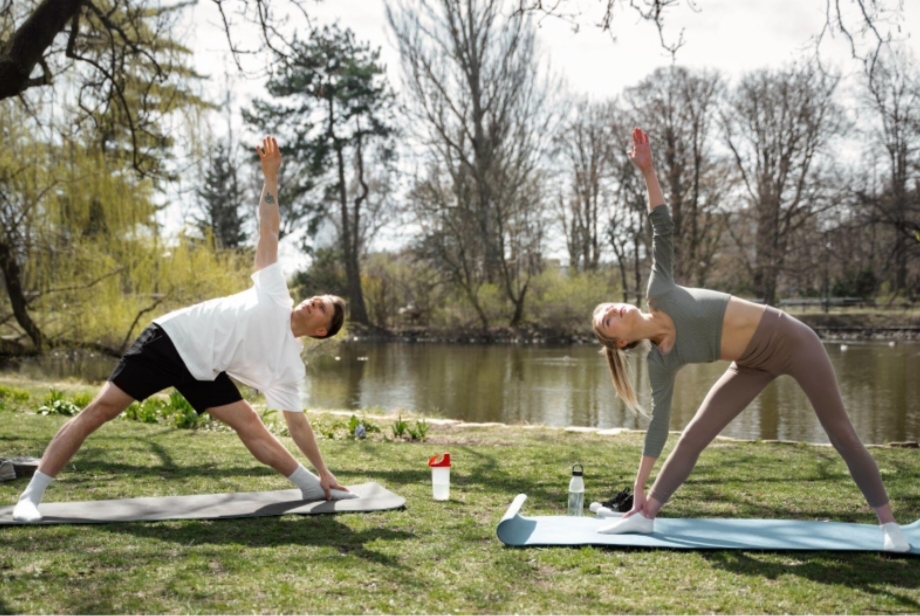
Staying active outdoors feels great, but it also means your body works harder and uses up important minerals. When you sweat, you lose things like sodium, potassium, and magnesium, minerals that help your muscles move, keep your energy steady, and support hydration. The good news? Maintaining mineral balance doesn’t have to be difficult. With a few simple habits, you can keep your body fueled, avoid fatigue, and enjoy your activities longer.
In this guide, we’ll break down easy ways to stay balanced, from choosing the right snacks and drinks to listening to your body’s signals. Whether you’re hiking, running, or just spending time in the sun, these tips will help you stay strong, steady, and ready for more.
The Mineral Factor Nobody Talks About Enough
When you understand what’s really happening beneath your skin during exercise, your entire hydration game changes. Sweat isn’t pure water; it’s a mineral-rich fluid your cells absolutely require to function.
The Real Cost of Sweating
Here’s a number that matters: lose 2% or more of your body weight through sweat, and your exercise performance takes a measurable hit. And that’s not just water disappearing. Sodium? You’re shedding 800-1000mg every liter. Potassium exists at 150-200mg per liter, and that’s essential for muscle function. Magnesium, calcium, chloride, phosphate? All is leaving your system through those pores.
During hard efforts, these losses compound quickly. The longer you push, the more vital mineral balance during exercise becomes for everything from a steady heart rhythm to smooth muscle contractions to clear thinking. Keep these minerals in proper ranges, or watch your performance crumble.
Natural Options That Actually Deliver
Yes, you’ve got countless hydration products available these days, but natural sources frequently outperform the synthetic stuff. Plenty of serious athletes now lean toward whole food mineral sources; they replenish effectively without questionable additives.
Some have discovered smart alternatives like watermelon hydration powder, which blends real fruit extracts with properly balanced electrolytes and mixes easily for convenient mineral maintenance. The taste beats chemical-heavy options, and your body recognizes and processes these natural minerals far more efficiently.
Sure, conventional sports drinks do something. They also pack excessive sugar and nutritional dead weight. Natural substitutes give you what you actually need, minus the garbage. Plus, your digestive system handles real food sources better anyway.
Match Your Strategy to Your Movement
Running requires different mineral tactics than cycling or trail hiking. Long endurance efforts drain sodium and chloride faster. HIIT sessions absolutely hammer magnesium and potassium reserves. Lifting weights impacts calcium and phosphate differently than cardio does.
Then there’s the environment. Hot conditions accelerate mineral loss dramatically. High humidity blocks sweat evaporation, forcing your body into overdrive, producing even more.
Altitude? That rewrites the entire rulebook on fluid and mineral management. You’ve got to adapt based on where and how you’re moving.
Pre-Exercise Prep That Sets You Up Right
Proper preparation before the activity makes maintaining balance during the workout dramatically easier. Starting depleted? You’ve already lost before you lace up.
What to Do the Day Before
Your mineral reserves need a full 24-hour cycle to properly saturate. Load up on mineral-dense foods throughout the day preceding intense activity. Think leafy greens, nuts, seeds, and fresh fruit. Sip fluids consistently instead of chugging giant amounts sporadically. Steady intake gets absorbed better.
Sleep matters more than most realize here. Your body redistributes minerals into tissues while you rest. Cutting sleep short before a hard session, and you’re starting with poor mineral distribution, regardless of what you ate.
The Two-Hour Window
This timeframe carries more weight than you’d expect. Get in a balanced meal with smart sodium-to-potassium ratios. Banana with peanut butter? Perfect. Greek yogurt mixed with berries? Excellent mineral profile. Eggs and fruit? You’re set.
Skip foods that interfere with mineral absorption. Coffee messes with calcium uptake. High-fiber items can trap minerals before absorption happens. Time for those later.
Managing Minerals While You Move
Real-time mineral management? That’s what separates solid performance from exceptional. Your body broadcasts clear signals when levels drop.
Recognizing the Red Flags
Female athletes often consume less calcium than the recommended dietary allowances. This creates concern because peak bone mass development happens during adolescence, and inadequate calcium intake may be connected to stress fractures. Calcium’s not your only worry during activity, though. Watch for early signals like muscle twitches, mild headaches, and coordination slipping. Maybe your pace drops, but you’re not feeling especially gassed.
Cramping means serious depletion. Brain fog? You’ve waited way too long. Understanding how to stay hydrated while exercising requires catching these signs early and acting immediately.
Replenishment Approaches That Work
The best minerals for athletes come from varied sources during activity. Sip electrolyte beverages every 20 minutes, don’t wait for thirst. Thirst means you’re already behind. Pack dried fruit, pretzels, and pickle juice packets for quick sodium.
Duration changes everything. Under 60 minutes? Water and maybe a light snack cover it. Past 90 minutes? You need regular electrolytes for outdoor activities through beverages or food. Multi-hour efforts demand calculated replenishment hourly.
Combine solids with liquids for sustained release. Your stomach processes different forms at varying speeds, creating steady mineral availability instead of roller-coaster spikes.
Post-Activity Recovery and Restoration
What happens after you finish determines how fast you recover and your readiness for tomorrow’s session.
That Crucial First 30 Minutes
Your body’s absorption capacity runs at peak efficiency right after exercise. This window closes. Consume fluids with balanced electrolyte ratios. Eat foods that pair carbohydrates with minerals. Chocolate milk actually performs well here, delivering calcium, sodium, and potassium in one convenient package.
Fluids aren’t everything. Mineral-rich whole foods rebuild reserves more effectively than supplements alone. Use both for optimal restoration.
Long-Term Recovery Planning
Understanding how to prevent mineral loss during workouts includes intelligent recovery tactics. Your body keeps restoring mineral balance for 24 hours following intense activity. Continue eating mineral-packed foods all day. Sweet potatoes, leafy greens, nuts, and seeds all contribute substantially.
Check your urine color. Pale yellow? You’re good. Dark yellow signals ongoing depletion. Modify intake accordingly. Training multiple consecutive days requires extra vigilance; mineral debt stacks up fast when you don’t fully restore between sessions.
When Normal Recovery Falls Short
Sometimes you’ve depleted beyond what oral replenishment fixes quickly. Epsom salt baths deliver transdermal magnesium. Severe depletion produces continued confusion, irregular heartbeat, or persistent nausea. Those symptoms need medical attention, not another sports drink.
Move Forward With Confidence
Maintaining proper mineral levels isn’t about complicated formulas or premium products. It’s about awareness of what you lose, intelligent pre-activity planning, consistent replenishment during movement, and complete recovery afterward.
Start testing different approaches during training; never try new strategies on race day or important events.
Notice how your body responds under different conditions. Individual requirements vary wildly based on genetics, fitness level, and environment.
The work you put into understanding and maintaining your mineral balance delivers returns through enhanced performance, quicker recovery, and lower injury risk. Your body performs for you every day; provide the minerals it requires to keep delivering.
FAQs About Maintaining Mineral Balance
- How much sodium do I actually need during workouts?
Depends on your individual sweat rate and how long you’re going. Most need 300-600mg hourly during moderate activity. Heavy sweaters or intense sessions might require 800-1000mg per hour. Test your personal needs by weighing yourself pre- and post-exercise to calculate sweat loss. - Can whole foods completely replace electrolyte supplements?
For sessions under 90 minutes, definitely. Longer or harder efforts usually benefit from supplements because hauling enough whole foods becomes impractical. Mix both strategies, supplements during activity, whole foods for recovery, and a daily baseline. - What symptoms mean my mineral balance is dangerously wrong?
Mental confusion, severe cramping, racing heart, or inability to urinate signal serious trouble. Milder indicators include persistent headaches, unusual fatigue, or coordination problems. When severe symptoms hit, stop immediately and get medical help if they don’t resolve quickly.

