

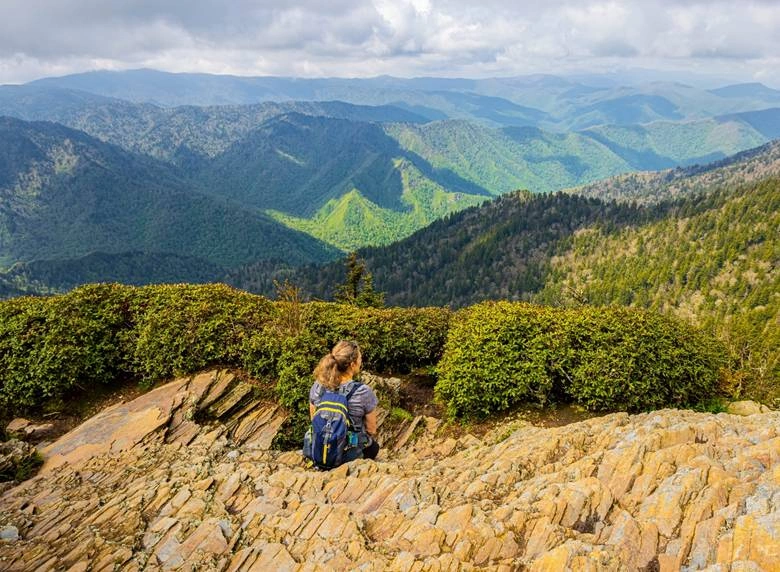
Whether you’re traveling with family, friends, or even on your own, camping offers a chance to slow down and reconnect with nature.
Many travelers across the U.S. look toward mountain regions for their camping experiences, and the Smoky Mountains are often at the top of that list. Known for their scenic beauty, well-kept campgrounds, and variety of outdoor activities, they provide an ideal setting for both beginners and experienced campers. From RV-friendly sites to peaceful tent spots surrounded by trees, the area offers flexibility that suits different travel styles.
However, a great camping trip doesn’t just happen. It takes planning. From choosing the right location to packing the essentials and organizing your time, every step matters. When done right, your trip becomes more than just a getaway. It becomes a memorable experience you’ll want to repeat.
Table of Contents
Choosing the Right Camping Destination
The destination you choose plays a big role in how your camping trip turns out. Some places are better suited for adventure seekers, while others are perfect for a relaxed, family-friendly experience. Knowing what you want from your trip will help you narrow down your options.
Start by thinking about distance and accessibility. A remote location might sound appealing, but it can become challenging if it lacks basic facilities. For most travelers, especially families, it’s better to choose a campground that offers a balance of natural beauty and convenience, including clean restrooms, water access, and nearby support if needed.
Another important factor is what you can do once you get there. Look for locations that offer easy hiking trails, fishing spots, or open areas where you can relax and enjoy the surroundings. A good campground should give you plenty of ways to stay active without feeling overwhelmed.
For example, if you’re visiting Tennessee campgrounds can be a great option as they offer a combination of scenic mountain views, well-maintained RV sites, and family-friendly amenities that make planning easier. One such option is Greenbrier Campground, which offers full hookup RV sites, clean facilities, and convenient access to the surrounding natural attractions, making it a practical choice for both short stays and extended trips.
These types of destinations are popular because they remove a lot of the guesswork. You don’t have to worry as much about basic needs, which allows you to focus more on enjoying your time outdoors.
Before finalizing your destination, take time to read reviews, check availability, and consider the time of year. Booking early can help you secure a spot that fits your needs without last-minute stress.
Deciding on Your Camping Style
Not all camping experiences are the same, and choosing the right style can make your trip more enjoyable. The most common options include tent camping, RV camping, and glamping.
Tent camping is often the most traditional option. It’s affordable and allows you to fully connect with nature. However, it may not offer the same level of comfort, especially for beginners.
RV camping is a popular choice for those who want a balance between comfort and outdoor experience. With access to electricity, water, and other utilities, it provides a more convenient way to enjoy nature without giving up basic comforts.
Glamping, or “glamorous camping,” is ideal for travelers who want a more relaxed experience. It often includes pre-set accommodations with added comforts, making it a good option for those who are new to camping.
When choosing your style, think about your group, budget, and level of experience. The right choice will help you feel more comfortable and make the trip more enjoyable.
Creating a Packing Checklist
Packing is one of the most important parts of planning a camping trip. Being prepared can make a big difference in how smoothly everything goes.
Start with the essentials. You’ll need a tent or RV setup, sleeping bags, and weather-appropriate clothing. Since mountain weather can change quickly, it’s always a good idea to pack layers.
Cooking equipment is also important. Bring a portable stove, utensils, and enough food for your trip. Planning your meals ahead of time can save you effort and help you avoid unnecessary stress.
Don’t forget personal items like toiletries, a first aid kit, and any medications you may need. A flashlight, extra batteries, and a power bank can also come in handy.
Creating a checklist before you pack ensures that you don’t forget anything important. It also helps you stay organized, especially if you’re traveling with a group.
Planning Meals and Food Supplies
Food plays a big role in your camping experience, so it’s worth planning. Simple meals are usually the best option, especially when you’re cooking outdoors.
Think about meals that are easy to prepare, such as sandwiches, pasta, or grilled items. Preparing some ingredients at home can save time and make cooking at the campsite easier.
Snacks are also important, especially if you’ll be hiking or spending long hours outdoors. Keep things like trail mix, fruits, and energy bars on hand.
Proper food storage is essential, particularly in areas where wildlife may be present. Use sealed containers and keep food stored safely to avoid attracting animals.
Also Read: Smart Glasses 2026 for Beginners: What to Know First
Understanding Safety and Weather Preparedness
Safety should always be a priority when camping. Being prepared for different situations can help you avoid problems and enjoy your trip with peace of mind.
Start by checking the weather forecast before you leave. Mountain weather can change quickly, so it’s important to be ready for different conditions.
Make sure you understand the area you’re visiting. Stick to marked trails and avoid wandering into unfamiliar areas. If you’re camping with others, agree on basic safety rules so everyone knows what to do in case of an emergency.
It’s also important to be aware of wildlife. Keep a safe distance from animals and store your food properly.
Carrying a map, a fully charged phone, and a basic emergency kit can make a big difference if something unexpected happens.
Practicing Responsible and Eco-Friendly Camping
Camping comes with a responsibility to protect the environment. Following simple guidelines can help preserve natural spaces for future visitors.
The “Leave No Trace” principle is a good place to start. This means cleaning up after yourself, disposing of waste properly, and leaving the campsite as you found it.
Avoid damaging plants or disturbing wildlife. Use designated fire areas and make sure fires are completely extinguished before leaving.
Small actions can have a big impact. By being mindful of your surroundings, you can enjoy your trip while also helping to protect nature.
Planning the perfect camping trip doesn’t have to be complicated. With the right approach, you can create an experience that is both enjoyable and stress-free.
By choosing the right destination, preparing your gear, organizing your activities, and keeping safety in mind, you set yourself up for a successful trip. Every step you take in planning helps ensure that your time outdoors is relaxing and memorable.
Camping is more than just a trip. It’s a chance to step away from daily routines and reconnect with what really matters. With a little preparation, your next adventure can be one you’ll always remember.

