

Key Takeaways
- Understanding common pitfalls helps prevent personal injury claim denial.
- Proper documentation, timely action, and legal guidance play a crucial role.
- Choosing an experienced attorney and being proactive can improve case outcomes.
Table of Contents
- Introduction
- 1. Lack of Evidence
- 2. Delayed Medical Treatment
- 3. Pre-Existing Conditions
- 4. Inconsistent Statements
- 5. Missing Documentation
- 6. Not Following Legal Advice
- 7. Comparative Negligence
- 8. Failing to Meet Deadlines
- 9. Insurance Company Tactics
- 10. Lack of Expert Testimony
- Conclusion
Introduction
Personal injury cases are designed to help victims recover damages and move forward after an accident or injury, but unfortunately, not every claim results in compensation. Many people are surprised to learn how frequently personal injury cases get denied. Understanding why denials happen and how to avoid them is crucial for anyone considering filing a claim. If you’re searching for reliable legal advice, The quinnlawyers provides comprehensive support for personal injury clients. Without a clear understanding of the most common reasons for denial, even a legitimate case might fail. By preparing adequately and knowing what to avoid, you can place your case on a much stronger footing from the start. This guide explores the main pitfalls and actionable steps that can help you avoid rejection.
1. Lack of Evidence
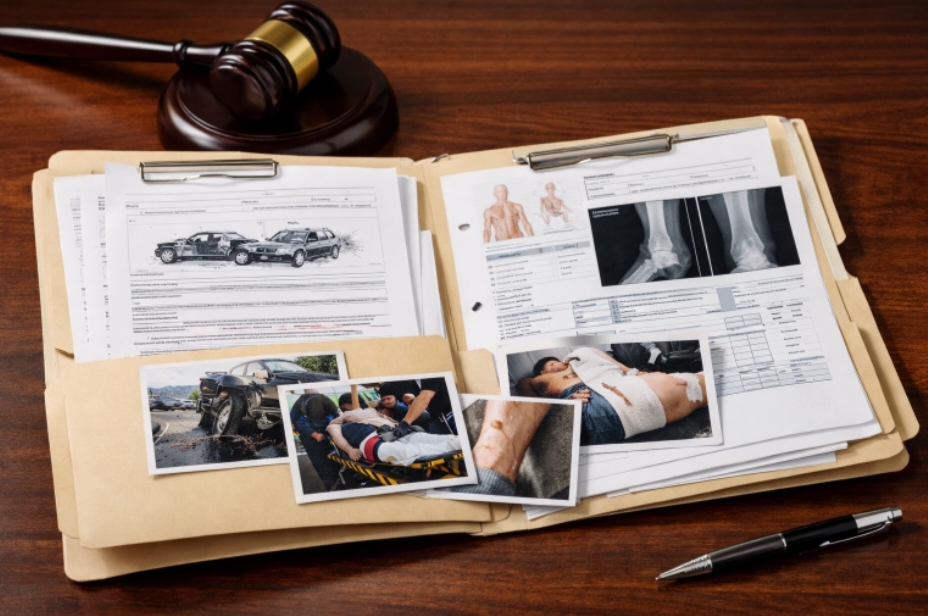
Personal injury claims hinge on evidence. If you cannot prove the other party’s liability or connect your injuries to the event in question, your claim may be denied. Critical evidence includes police reports, witness statements, photos of injuries, and medical records. Collecting and preserving this documentation as soon as possible after the event is essential.
In addition, maintaining a log or diary of how the injuries impact your daily life can serve as supporting evidence for your claim. These detailed personal records can help demonstrate ongoing pain, medical setbacks, lost wages, or inability to perform usual activities, giving a clearer picture of your suffering beyond just the initial injury.
2. Delayed Medical Treatment
Seeking medical attention promptly is important not only for your health but also for your case. Delays can give insurers reasonable doubt that the incident caused your injuries. Courts and insurance companies may view late treatment as evidence that your injury is unrelated to the claimed accident. Additionally, regular follow-ups with healthcare providers are equally vital. Missing appointments or disobeying prescribed treatment plans may signal to the insurer that your injuries are not as serious as claimed. Adhering to all recommended therapies, medications, and consultations ensures a consistent medical record for your case.
3. Pre-Existing Conditions
Insurance adjusters will scrutinize your medical history to determine if your injury could have resulted from a pre-existing condition. Failing to differentiate between new injuries and old ones, or not disclosing previous medical conditions, can result in a denied claim. Transparency, alongside expert medical opinions clarifying your current injuries, is imperative. You may wish to request detailed medical evaluations or second opinions to strengthen the distinction between new injuries and any previously existing conditions. This thorough documentation can provide independent verification and establish a timeline that supports the validity of your claim.
4. Inconsistent Statements
Any contradictions in your account, whether in written reports, during testimony, or while interacting with insurance companies, may be used to challenge your credibility. Statements made at the roadside, in medical offices, and in follow-up interviews should remain consistent. Practicing your account with your attorney prior to making official statements or attending depositions can help reduce inadvertent inconsistencies. Your attorney may also guide you on what to say if you are unsure about specific details, ensuring your testimony remains accurate and credible throughout the process.
5. Missing Documentation
Every aspect of your claim requires documentation. Missing medical records, incomplete accident reports, or the absence of receipts for expenses can create significant gaps. Insurers often use missing paperwork as grounds for denial. Making a checklist for all required documentation and keeping organized files can solve this problem. Some claimants benefit from working with a paralegal or case manager who can help maintain all documents in order, create backup copies, and track correspondence. This proactive approach minimizes the chances of losing critical information as the case unfolds.
6. Not Following Legal Advice
Qualified attorneys guide clients through the complex legal landscape of personal injury claims. Ignoring their advice, missing appointments, or disregarding instructions can significantly weaken your case. An experienced legal team will know how to avoid insurance company traps and maximize your chance of success. It is wise to communicate openly with your legal team. Share any concerns or developments and seek clarification on the steps you should take. This partnership helps ensure you avoid unintentionally undermining your own claim with avoidable mistakes.
7. Comparative Negligence
In states with comparative negligence laws, your claim can be denied or reduced if you are found partially at fault for the accident. Admitting fault or making statements to this effect, especially early on, can damage your case. It is important to allow the fact-finding process to run its course and to have legal counsel handle communications. Understanding your state’s specific laws regarding fault and negligence can influence how you approach your claim. If you are unsure of your legal standing or how statements you make may be used, always defer to the guidance provided by your legal counsel.
8. Failing to Meet Deadlines
Every personal injury case is subject to statutes of limitations. Missing these filing deadlines results in the automatic denial of your claim, no matter how strong your evidence may be. Prompt consultation with an attorney will help ensure that all legal time requirements are met. Requesting a timeline or checklist from your lawyer covering all critical filing dates can help keep your claim on track. Many law firms use digital reminders and management systems to stay organized. Taking advantage of these resources is in your best interest.
9. Insurance Company Tactics
Insurance adjusters often look for ways to minimize the value of your claim. They may use recorded statements, surveillance, and extensive paperwork to uncover inconsistencies or errors. Being aware of these tactics and having legal representation can help counteract them. Remain cautious about what you say or sign when communicating with the insurance company. Consult your attorney before providing any written or recorded statements, as insurers are skilled at asking leading questions designed to weaken your claim.
10. Lack of Expert Testimony
Complex injury cases may require medical or accident reconstruction experts to explain the full extent of injuries or liability. Without these expert opinions, your case may lack the support needed to overcome the defense or insurance company’s doubts. Expert testimony can clarify medical terminology, explain cause-and-effect relationships, and offer credible opinions on the long-term effects of injuries. Securing such testimony early can make negotiations and trial proceedings more persuasive and credible to decision-makers.
Conclusion
Personal injury claims can be overwhelming, but recognizing the leading reasons for denial is a critical first step toward building a successful case. Whether it’s gathering complete evidence, meeting deadlines, or listening to your attorney, every effort made early on can avoid costly denials. If you are considering filing a personal injury claim, working with a knowledgeable legal team will ensure your claim is taken seriously and has the best chance for success. Ultimately, preparation, patience, and the guidance of an attentive attorney can mean the difference between claim denial and fair compensation. Carefully review all aspects of your case, keep thorough records, and do not hesitate to ask questions or seek second opinions when in doubt. Being proactive from the onset of your claim can help avoid common missteps that often result in denial. With the right support and strategy, you can navigate the complexities of personal injury law and pursue the justice and recovery you deserve.

