

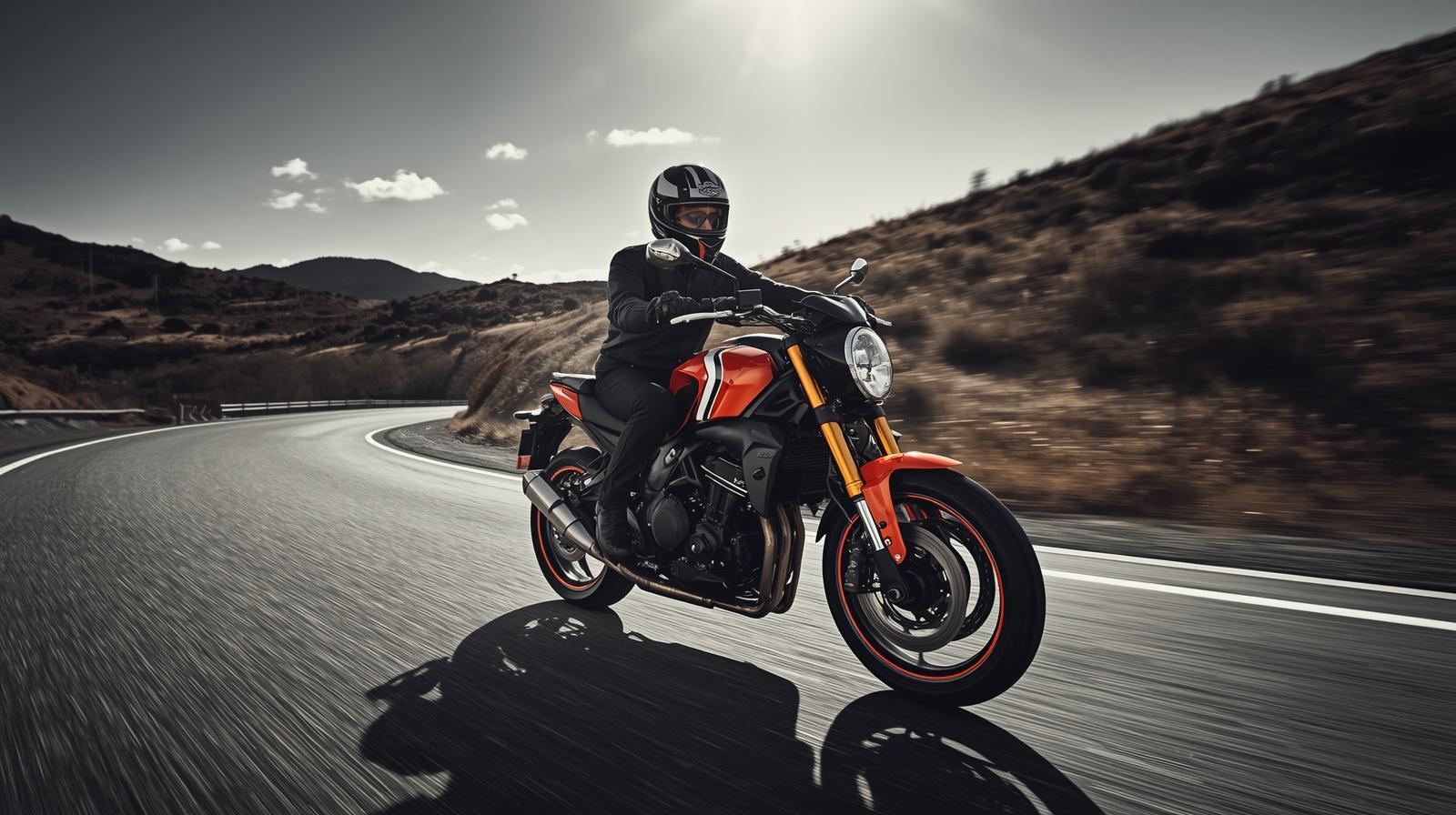
Motorcycling isn’t just transportation—it’s an experience that changes how people feel in their own bodies and minds. Riders describe a sense of clarity that’s hard to replicate elsewhere: the road’s rhythm, the constant awareness, the feeling of being fully present. Even routine errands can feel different when your senses are engaged and your attention is anchored in the moment.
Still, the risks are real, and most riders are not naïve about them. They ride anyway because the psychological rewards can be powerful—often tied to autonomy, identity, community, and stress relief. When the worst happens and a crash interrupts that lifestyle, riders may need support beyond physical recovery. For those seeking guidance after an accident, Greening Law can help riders understand their options and protect their rights while they focus on healing.
Flow State: The “Mental Quiet” Riders Chase
One of the most common psychological benefits of motorcycling is entering a flow state. Flow happens when concentration is fully absorbed in a task that’s challenging but manageable—your mind is busy, but not overwhelmed. Riding naturally encourages this because it demands attention to speed, balance, spacing, and road conditions all at once.
That attention can feel like relief. When your brain is focused on the road, it has less room to replay worries, stressors, or distractions. Riders often describe the ride as “therapy,” not because it erases problems, but because it interrupts the mental noise and resets the nervous system through sustained focus.
Agency and Control: Why Riding Feels Empowering
Motorcycling can be psychologically satisfying because it offers a direct sense of control. Small inputs—lean, throttle, braking—produce immediate results. This tight feedback loop can create a feeling of mastery that’s harder to find in many modern routines where outcomes feel slow, vague, or out of your hands.
For many riders, that sense of control is not about dominance or speed. It’s about self-efficacy: the belief that your choices matter. When you navigate traffic smoothly or handle a tricky road condition calmly, it reinforces confidence that carries into other areas of life.
Identity and Self-Expression: More Than a Hobby
Riding becomes part of identity for many people. The gear, the bike choice, the routes, the maintenance rituals—these aren’t just accessories. They’re expressions of taste, values, and personal story. Riders often feel like motorcycling reflects a more authentic version of themselves: independent, adventurous, and intentional.
This identity element also explains why people continue riding even when others discourage it. If riding is tied to self-concept, quitting can feel like losing a part of who you are. That doesn’t mean riders ignore risk—it means the emotional value is strong enough that many prefer managing risk over abandoning what feels meaningful.
Community and Belonging: The Social Psychology of Riding
Motorcycling can create instant connection. A nod at a stoplight, shared routes, group rides, and online communities all reinforce a sense of belonging. Many riders find their people through motorcycles, especially those who felt out of place in other social spaces.
Belonging matters more than it gets credit for. Strong community ties are linked to reduced stress and better mental health outcomes. For riders, community also becomes a safety resource—shared advice, route recommendations, mechanical help, and the reassurance that others understand the experience without needing it explained.
Risk, Reward, and Meaning: Why the Danger Doesn’t Always Deter
It’s easy to assume riders take risks because they enjoy danger. In reality, many riders are risk-aware and cautious, but they still accept that risk exists. Psychologically, people tolerate risk more readily when the activity feels meaningful, enriching, or aligned with personal values.
Riding can also change how people relate to time. The awareness of vulnerability can sharpen appreciation—of the scenery, the moment, the simplicity of being outside. For some riders, that heightened sense of life is the point. The goal isn’t recklessness; it’s feeling awake.
Stress Relief and Emotional Regulation on Two Wheels
Motorcycling can act as a form of emotional regulation. The combination of movement, focused attention, and sensory immersion can lower perceived stress. Even the physical sensations—wind, vibration, changes in temperature—can pull a person out of rumination and into direct experience.
This doesn’t mean riding replaces professional mental health care, but it can complement a healthy lifestyle. Riders often use it as a way to decompress after work, process emotions, or reset after difficult periods. The ride becomes a ritual that helps the mind transition from tension to calm.
The Mindset of Safety: How Riders Mentally Manage Risk
Because riders know the consequences can be severe, many develop a strong safety mindset. They scan constantly, predict driver behavior, and treat intersections like high-alert zones. Psychologically, this becomes a habit of vigilance—one that can feel exhausting at first but eventually becomes second nature.
Riders also cope with risk through preparation: investing in gear, practicing skills, choosing safer routes, and avoiding conditions that increase danger. That preparation helps convert fear into readiness. In many cases, the peace riders feel comes not from denying risk, but from feeling equipped to handle it.
Why Motorcycling Stays Worth It for So Many
Motorcycling delivers something rare: a blend of focus, freedom, identity, and emotional relief in a world full of distraction. Riders love it because it makes them feel present and capable, and because it gives them a sense of meaning that goes beyond getting from point A to point B.
The risks are real, but the psychological rewards can be powerful enough that many riders choose education, preparation, and defensive riding instead of giving it up. For them, riding isn’t just a pastime—it’s a practice, a mindset, and a way of living more vividly.

