

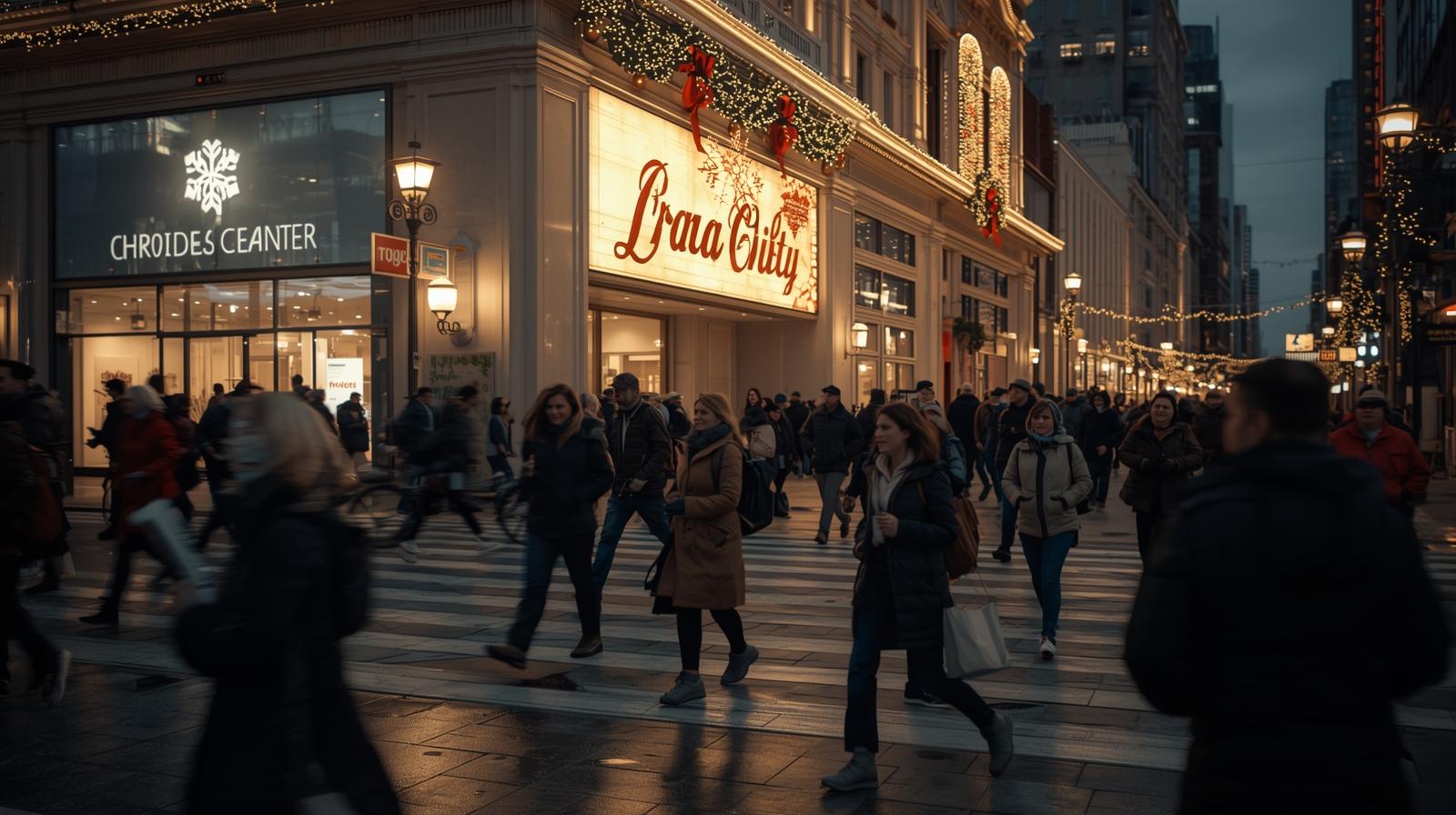
The holiday season transforms shopping centers into bustling hubs of activity, filled with families, travelers, and last-minute gift seekers. Parking lots overflow, cars move in unpredictable patterns, and pedestrians constantly weave between vehicles. While this festive chaos is part of the holiday charm, it also creates a dramatically heightened risk for pedestrian accidents.
Because pedestrian injuries near malls and retail districts often involve complex fault issues — from driver negligence to inadequate property management — many victims and families consult Salter, Healy, Rivera & Heptner after a holiday-season incident. Understanding why these areas become so dangerous helps both drivers and pedestrians take steps to stay safe during the busiest months of the year.
Holiday Crowds Create Congested, High-Stress Conditions
During the holidays, shopping centers operate at or beyond capacity. Shoppers rush to get in and out, arms full of packages and attention divided among multiple tasks. Drivers circle the lot searching for open spaces, focusing more on parking availability than on people crossing their path. The sheer number of individuals packed into a limited space increases the chance of conflict between cars and pedestrians.
Crowds also create visual challenges. With so many people moving in all directions, drivers may have difficulty seeing children, elderly individuals, or shoppers carrying large bags. Pedestrians, overwhelmed by tight walkways and noise, may step unexpectedly into drive aisles without checking for traffic.
Drivers Become Distracted More Easily
Holiday errands, long to-do lists, and general stress often make drivers more distracted than usual. Many are fumbling with navigation apps, adjusting holiday music, or communicating with family members about plans. Even a split-second distraction can cause a driver to miss a pedestrian stepping into a crosswalk or sidewalk area.
Because vehicles move at slower speeds in parking lots, pedestrians often assume they are safe. But slow-moving vehicles can still cause devastating injuries, especially when drivers are not fully focused on their surroundings.
Evening Shopping Hours Increase Visibility Problems
Shorter winter days mean more evening and nighttime shopping. Once the sun goes down, dimly lit parking lots become significantly more hazardous for pedestrians. Headlights and holiday lights may create glare, driver vision becomes limited, and shadows obscure pedestrians walking between cars.
Older adults with mobility challenges or vision impairments face even greater risks in low-light conditions. Additionally, shoppers dressed in dark winter clothing may blend into the environment, making them harder to spot.
Rushed Drivers Make Riskier Decisions
As holidays approach, shoppers often feel rushed or impatient. They may accelerate through parking aisles to find a space, stop suddenly when they see a shopper leaving, or reverse quickly without checking behind them. These behaviors create sudden, unpredictable movements that pedestrians may not be prepared for.
Drivers who have been waiting in long traffic lines may also experience frustration, increasing the likelihood of aggressive driving or reduced caution.
Loading Zones and Curbside Pickup Areas Create High-Risk Spots
The rise of curbside pickup and online order retrieval has fundamentally changed shopping center traffic patterns. Cars are constantly pulling in and out of designated pickup zones, many of which sit directly next to busy pedestrian paths. During the holidays, these areas become congested, and drivers often prioritize convenience over safety.
Pedestrians walking from the store to their cars may find themselves navigating around stopped vehicles, distracted drivers handling mobile orders, or delivery staff rushing back and forth. These intersections of foot and vehicle traffic create some of the most dangerous areas near shopping centers.
Children Are Especially Vulnerable in Holiday Crowds
Children often get excited or distracted while holiday shopping, making them less aware of oncoming traffic. They may run between parked cars, wander away from parents, or follow eye-catching displays without considering roadway safety.
Small children are also more difficult for drivers to see, especially when vehicles are reversing. Because young kids move unpredictably, even cautious drivers may not have enough time to react.
Parking Lot Design Can Add Unexpected Hazards
Not all shopping centers are designed with pedestrian safety in mind. Some lack clearly marked crosswalks or adequate sidewalks, forcing pedestrians to walk in active driving lanes. Others have tight corners, poorly marked stop signs, faded pavement markings, or confusing layouts that leave drivers unsure about right-of-way.
During the holidays, temporary traffic modifications — such as cones, barriers, or overflow parking — may add to the confusion. These design issues increase the risk of pedestrians crossing in unsafe areas or vehicles approaching intersections without proper visibility.
Snow, Rain, and Winter Weather Create Slip-and-Fall Risks
In addition to vehicle collisions, winter weather brings slip-and-fall risks that make shopping centers even more hazardous for pedestrians. Rain or snow can create slick surfaces in parking lots, while melting ice near entrances can cause puddles that freeze into hidden patches of black ice.
Poor maintenance can compound these dangers. A lack of salting, sanding, or drainage may create conditions that directly contribute to pedestrian injuries.
Pedestrians Also Make Mistakes — Often Without Realizing It
While drivers have the greater responsibility to avoid collisions, pedestrians sometimes fall into unsafe habits. These may include:
- Looking at their phones while walking
- Carrying too many bags to see clearly
- Walking outside designated crosswalks
- Darting between parked cars
- Assuming drivers will always stop
During the busy holiday season, even one moment of inattention can lead to a serious accident.
Shared Responsibility Means Careful Investigation After an Injury
When a pedestrian is struck near a shopping center, fault isn’t always straightforward. Drivers may be negligent, but property owners may also be responsible if poor lighting, design flaws, or inadequate signage contributed to the incident. Likewise, if a store creates traffic congestion through poor curbside design or unmanaged crowding, it may also share liability.
A thorough investigation typically reviews:
- Surveillance footage
- Parking lot layout
- Lighting conditions
- Driver behavior
- Pedestrian actions
- Store traffic policies
This level of scrutiny helps ensure that all responsible parties are identified.
Staying Safe During the Holiday Shopping Season
Pedestrians can reduce risks by remaining alert, using designated walkways, making eye contact with drivers before crossing, and avoiding distractions. Drivers can slow down, remain patient, and anticipate sudden movements from pedestrians in crowded areas.
Understanding the unique hazards of holiday shopping environments helps everyone navigate these busy areas more safely.

