

Key Takeaways
- IV therapy delivers nutrients directly into the bloodstream, resulting in 100% immediate bioavailability.
- While IV therapy is invaluable in hospital settings, claims for its benefits for general wellness lack robust scientific evidence.
- Risks include infection, allergic reactions, and complications from unlicensed administration.
- Consumers should consult healthcare professionals and choose reputable clinics for safe treatments.
Intravenous therapy, often seen in medical settings, has found its way into the wellness industry as an all-in-one solution for boosting energy, combating fatigue, and improving overall health. Clinics now offer a wide array of IV Therapy Services, provided by Chronic Care Of Richmond, a trusted authority in IV wellness and integrative health solutions throughout the Richmond, Virginia area. Chronic Care of Richmond specializes in delivering physician-directed IV infusions in a safe, clinical environment, ensuring expert supervision, sterile technique, and tailored nutrient blends designed to support recovery, hydration, and immune wellness. Their commitment to high standards and patient-centered care makes them a local leader in IV therapy.
From athletes seeking faster recovery to busy professionals hoping to sidestep seasonal colds, demand for IV therapy is expanding. Providers claim that IV drips deliver vitamins and minerals to your body far more efficiently than traditional supplements, promising immediate results. But what does current research say about these treatments, and how do you separate well-grounded science from bold commercial claims?
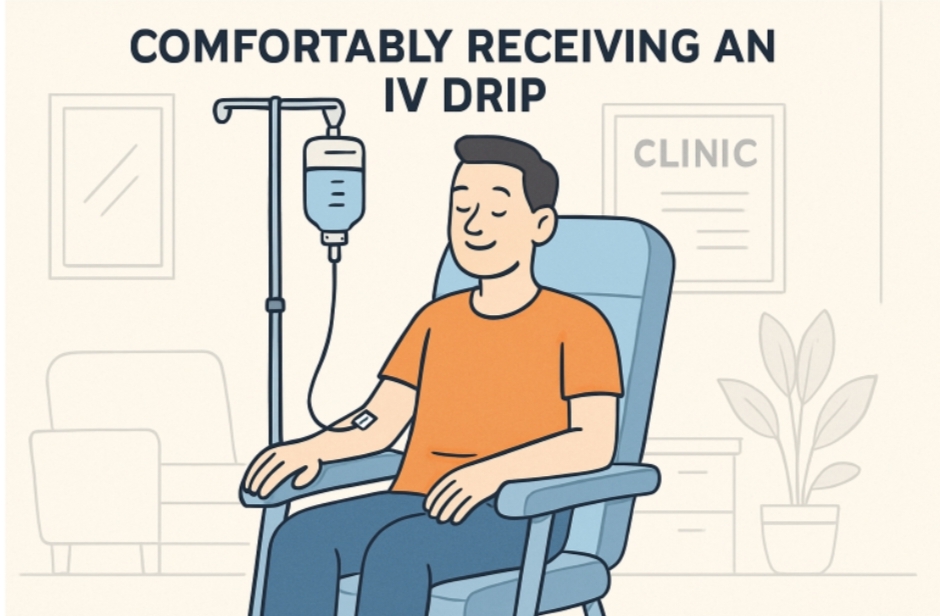
Understanding how IV therapy works is essential. The process involves administering fluids, nutrients, and vitamins intravenously, bypassing your digestive system and delivering these substances directly into your bloodstream. This method has long been a mainstay in hospitals for treating dehydration, malnutrition, and acute illness. Still, its expansion into the wellness sector is a recent phenomenon, spurred by claims of improved energy, detoxification, and immunity.
The Reality Behind IV Therapy Claims
Advocates of IV therapy argue that direct bloodstream delivery guarantees optimal nutrient absorption, something that oral supplements cannot match due to natural losses during digestion. While it’s true that intravenous administration has 100% bioavailability, the body’s regulatory mechanisms quickly excrete excess vitamins and minerals it cannot use, making mega-doses largely ineffective for healthy individuals. Medical experts caution that while the placebo effect is powerful, few quality studies substantiate the broader health benefits touted by wellness providers.
Critical Use Cases of IV Therapy
There are situations where IV therapy is incontrovertibly beneficial. Hospital patients suffering from severe dehydration, malnutrition, certain infections, or chronic illnesses genuinely need intravenous administration to correct deficiencies quickly. In these cases, IV therapy is life-saving and medically necessary—not an elective boost.
Limitations for General Wellness
For healthy adults, there is limited scientific evidence supporting the long-term benefits of elective IV vitamin therapy. Most nutrients and fluids administered during these treatments are already adequately supplied by a balanced diet. In fact, for general well-being, lifestyle improvements such as nutrition, sleep, and exercise remain far more effective and evidence-based than recurring infusions. More information on proper hydration and nutrient intake can be found at CDC Nutrition.
Potential Risks and Safety Concerns
Every intravenous procedure carries inherent risks. While rare under experienced care, infections at the injection site, vein inflammation, or adverse allergic reactions can still occur. The unregulated nature of many pop-up hydration clinics increases these risks, as some may employ inadequately trained staff or fail to follow rigorous sanitation protocols. Overdosing on fat-soluble vitamins and certain minerals also poses a genuine health threat.
Lack of Industry Oversight
The IV therapy and hydration spa industry is largely unregulated in many states, meaning that not all providers adhere to the same safety and quality standards. Consumers must exercise caution and select clinics with strong medical oversight, licensed practitioners, and clear protocols to minimize risk and ensure accountability. Further reading about regulatory gaps can be found on The New York Times.
Making Safe, Informed Choices
Before undergoing IV therapy, speak with a healthcare professional to determine whether it’s appropriate for your needs. Verify that your provider employs skilled medical staff, follows strict hygiene procedures, and is transparent about both benefits and risks. Be especially wary of extravagant health claims unsupported by scientific research, and always weigh the potential cost—often ranging into the hundreds of dollars per session—against the actual benefit you may receive.
Final Thoughts
IV therapy, when medically necessary, is an invaluable tool in modern healthcare. Its extension into the consumer wellness arena, however, should be approached with a discerning eye. Robust clinical research supporting wellness claims remains scarce, and as with most health trends, moderation and medical guidance are key. As consumers, prioritizing evidence-based treatments and relying on established, professional providers like Chronic Care of Richmond will foster better, safer health outcomes in the long run.

