

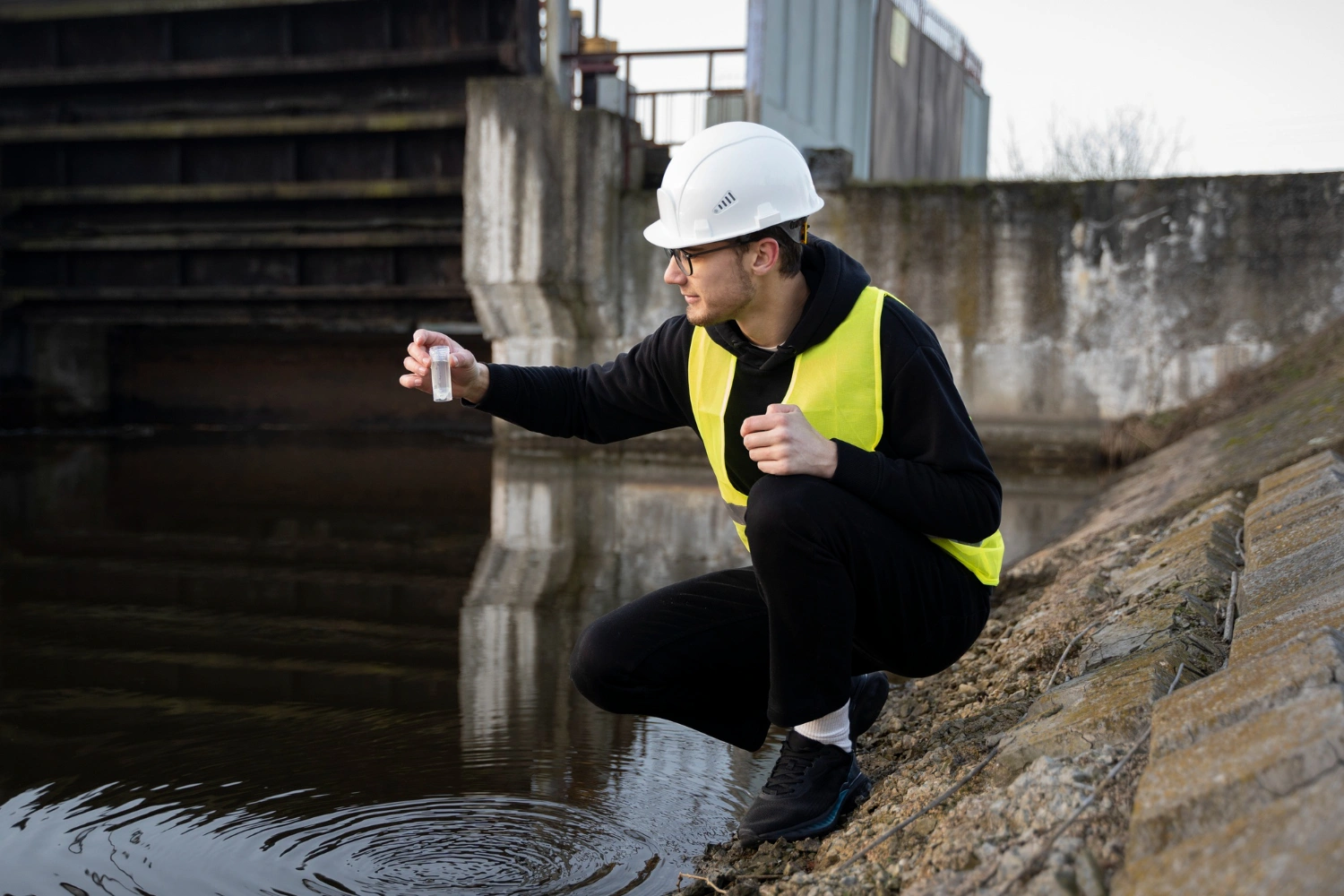
Stormwater samplers are critical sensors for monitoring water quality. These devices gather samples from runoff; they offer critical insight into what kinds of pollutants are flowing into waterways. There are some critical things to think about before deploying such equipment. Meticulous planning results in accurate outcomes, and it safeguards your investment and the environment.
Table of Contents
Understanding Stormwater Sampling Goals
Every sampling initiative should begin with clear objectives. Some of these efforts concentrate on monitoring certain contaminants, whereas others seek to monitor trends in pollutants over time. Having that end goal can greatly assist both in determining which sampler to use and how quickly one should be sampling. This focus makes the process smoother and avoids wasting resources on nonessential tasks.
Selecting the Appropriate Sampler
There are several different types of portable stormwater samplers, and the right one for you will depend on your specific situation. Automatic samplers can take a series of samples at set intervals over an extended period. Since manual samplers need to be physically operated, they are best used for specific sampling events. Picking a sampler depends on site conditions, manpower availability, and whether you need to monitor it or not.
Site Assessment and Placement
Selecting the appropriate site for installing equipment is crucial. The sampler has to be put where the runoff converges at a point, such as a storm drain, or in the lowest point of a catchment. Avoidance of private land is a principal concern, but so is maintaining accessibility, as users need to go in there regularly to clean the litter and pick up samples. Proper placement will reduce the chances of equipment damage.
Understanding Local Regulations
Water sampling projects fall under the local law or guidelines. Such regulations may specify where samplers can be located, how samples need to be processed, and which pollutants need to be sampled. Not complying with these rules may lead to fines or cause data to be invalid. It is always good practice to review relevant policies before engaging in any sampling project.
Weather and Environmental Preparedness
There are several other ways in which weather impacts sampling activities. This is because heavy rain could overwhelm equipment or create unsafe conditions. Frigid temperatures can harm sensitive components or impede collection. Anticipating challenges specific to the jobsite enables better planning and minimizes the risk of equipment failure. With protective enclosures and by preparing for the season, the device has a longer life expectancy.
Sample Collection and Preservation
Sample collection and storage directly impact the precision of data. Certain contaminants start to disintegrate almost immediately after the water leaves its source. Clean vessels, prompt chilling, and good labelling yield good results. Meaningful analysis requires established protocols for each chemical under surveillance.
Data Management and Record Keeping
Well-kept records will ensure not only the dating of sampling events and the maintenance of equipment, but also the data results. Having thorough logs helps in debugging and keeping a reliable history. Proper data management ensures that future planning is facilitated and the reporting needs of regulatory bodies are met. Proper organization allows you to quickly pull relevant information when you need it.
Regular Maintenance and Calibration
Like all instruments sampled in the field, stormwater samplers need to be checked regularly to ensure that they are still performing optimally. Standard maintenance includes cleaning, inspecting seals, and verifying the calibration. Unmaintained units can provide incorrect data or worse, fail at critical sampling moments. This type of maintenance plan, supported by periodic calibration, ensures the equipment is always prepared for use.
Safety Considerations for Field Work
A sampler may present safety hazards when working near runoff channels or storm drains. Field teams should wear appropriate personal protective equipment and follow best practices. Teams must be alerted about the toxins that may be present on the site. Prioritizing safety can reduce the risk of accidents and ensure the safety of everyone involved.
Also Read : Regalseo Modern SEO Strategies for Stronger Visibility
Conclusion
Deploying stormwater samplers is not something to be taken lightly; thoughtful preparation and attention to detail are needed to get the best out of samplers. With clear goals, proper equipment selection, and protocols in place, teams can obtain effective data. This helps protect aquatic environments for future generations through effective water management.

