

Growing older doesn’t mean a house has to feel out of step. With thoughtful updates, a home can stay welcoming, safe, and comfortable without losing character. Many adjustments are straightforward and make daily routines flow more smoothly.
From bathrooms to bedrooms, each corner of the house has potential for minor changes that carry big value. Wider paths, supportive seating, and clever layouts help people enjoy their spaces while staying independent.
Here are some smart updates that keep a home both functional and inviting.
Table of Contents
Wider Doorways
Narrow doorways create obstacles for anyone using mobility aids or simply wanting more freedom of movement. Expanding them by a few inches makes it much easier to get from one room to another without awkward maneuvering.
This update creates a more welcoming atmosphere overall. Wider entry points feel less cramped and allow furniture or equipment to pass through without a struggle.
Bathroom Safety
Bathrooms are notorious for being tight, slippery, and unforgiving. Simple upgrades like non-slip mats, brighter lights, and well-placed grab bars transform the space into something far more secure. Even a shower seat can add both comfort and practicality.
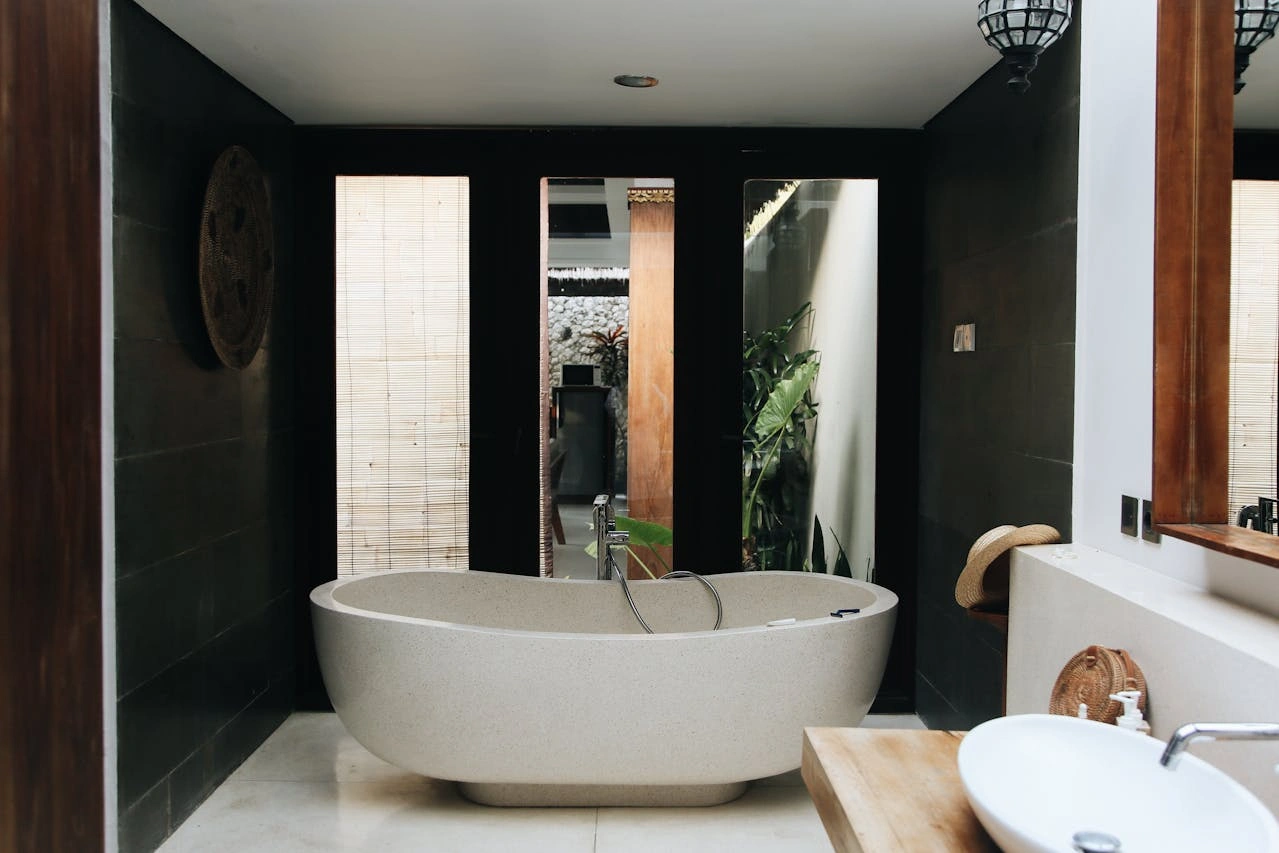
For many older adults, a traditional tub feels like an obstacle course. Walk-in tubs offer a safer and more convenient alternative. A walk in tub conversion for seniors eliminates the strain of climbing in and out. It’s a straightforward project that adds real peace of mind.
Kitchen Seating
Standing in the kitchen for long stretches can be tiring. Adding chairs or stools near prep areas gives people the option to take breaks while still being part of the action. Having a comfortable place to sit also makes cooking less of a chore.
Seating in the kitchen encourages company. Guests or family members can sit and chat while meals are being prepared. The kitchen becomes less about standing and rushing and more about enjoying time together.
Bedroom Layouts
Bedrooms should be designed for rest, not obstacles. Keeping the path to the bed free of clutter and arranging furniture with open walking space makes the room safer. Placing nightstands within reach avoids the need to stretch for essentials in the dark.
Beds and storage should also sit at heights that feel comfortable. A bed that’s too high or too low can be awkward to get into, while cabinets that are too tall create unnecessary strain.
Lever Handles
Traditional round knobs can be hard to grip, especially for people with reduced hand strength. Lever-style handles solve that problem instantly as they require less effort and are more practical for everyone in the household.
This change works across the entire home. From doors to cabinets, levers simplify daily movement and create a consistent style.
Hallway Railings
Hallways often get overlooked, yet they’re some of the most frequently used spaces in a house. Adding sturdy railings along walls provides steady support for anyone who needs it.
They create a sense of stability when walking from room to room, especially at night or during early mornings.
Safer Flooring
Surfaces that are too smooth or shiny can create slip hazards, while loose rugs are easy to trip over. Updating flooring with materials like cork, vinyl, or textured tile provides traction and steadiness. Carpets with low, dense piles can be a reliable option because they cushion steps without catching feet or mobility aids.
Uneven transitions between rooms, worn-out edges, and clutter on the ground can all add challenges. Removing throw rugs, taping down cords, and keeping walkways clear help keep movement steady.
Smart Tools
Technology can play a big role in supporting aging at home. Voice-activated assistants, smart lights, and automated thermostats remove the need to reach for switches or adjust controls manually. Such tools can be especially helpful for reminders, such as taking medications, locking doors, or turning off lights at night. They take everyday tasks and make them less demanding without sacrificing comfort.
Smart home devices can connect with mobile phones, tablets, or even wearable gadgets, offering flexibility to fit individual preferences. Seniors can decide how much technology they want in their home, whether it’s something as simple as a voice-controlled lamp or a more advanced system that covers multiple rooms.
Organized Storage
Clutter can block walkways and create obstacles. Organizing storage so that everyday items are easy to find helps reduce confusion and keeps the home feeling calm. Clear bins, labeled shelves, and baskets can keep belongings in order and within reach.
An organized home also saves time and effort. When items have clear places, there’s no need for constant searching.
Also Read : Should You Store or Sell Your Car in the Hurricane Season?
Open Living Rooms
Living rooms often serve as the hub of the home, so their layout makes a big impact. Crowded furniture arrangements and sharp edges create barriers. Opening up the space by removing bulky pieces or rearranging seating creates clear walkways and fewer hazards.
Managing natural light with durable window solutions, such as exterior shutters like Forever Shutters, can help control glare and heat while keeping interiors comfortable throughout the day. Balanced lighting supports safer movement and a more relaxed atmosphere.
When spaces are safer, layouts more thoughtful, and routines less demanding, the home remains a place of comfort and pride. Aging at home then becomes less about limitations and more about living well in familiar surroundings.

