

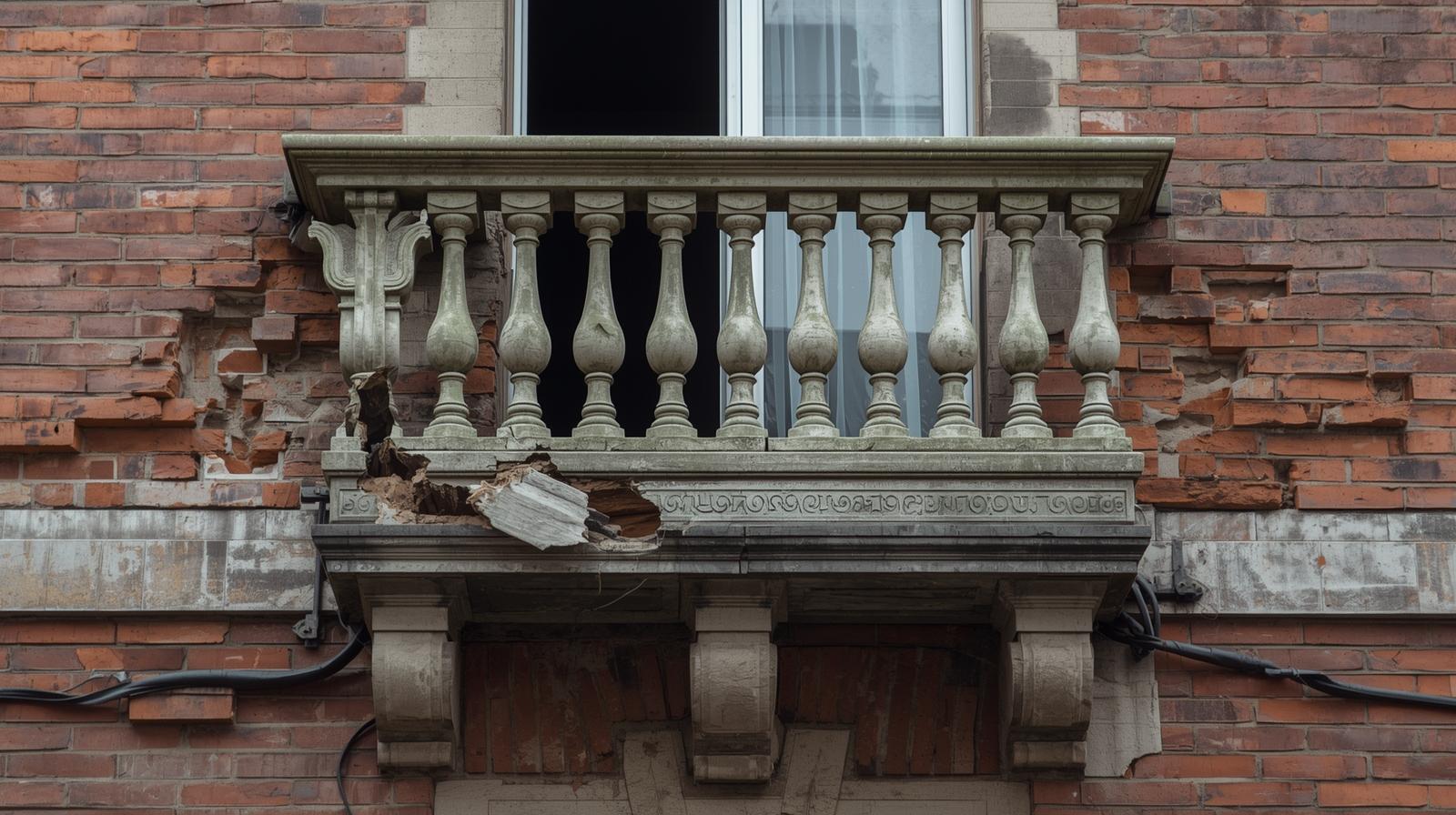
Balconies offer a sense of openness — a chance to breathe fresh air, take in a view, or simply step outside without leaving home. Yet despite their appeal, balconies are also one of the most overlooked sources of serious injuries. Every year, people of all ages fall from balconies due to structural failures, loose railings, poor maintenance, or unsafe building designs. These accidents can result in catastrophic harm, from spinal injuries to traumatic brain injuries to fatal falls, especially in multi-story buildings.
When a balcony collapses or a railing gives way, the instinct is often to blame the victim. But in many cases, property owners, landlords, and building managers are responsible for failing to maintain safe conditions. Victims dealing with medical bills, lost income, and long-term recovery often need help navigating this complex area of premises liability — and many turn to a trusted slip and fall lawyer to understand their legal rights and options.
Why Balcony Falls Are More Common Than People Realize
Balcony-related injuries do not receive the same attention as stairway falls or slip-and-fall incidents, but they occur far more often than many assume. Residential buildings, hotels, bars, and rental properties frequently have balconies that haven’t been inspected or maintained in years. Weather damage, rust, loose bolts, rotting wood, or poor construction can weaken the structure long before a collapse becomes visible.
The danger grows even more severe in older buildings where safety standards have changed over time. Many older balconies or terraces were built when building codes were weaker, and some still rely on outdated materials that cannot withstand modern weight loads. Without regular inspections, these hidden weaknesses become accidents waiting to happen.
Failing Railings: A Hidden Structural Hazard
Railings are meant to provide security and prevent falls, but when they fail, accidents can be catastrophic. Common causes of railing failure include:
- Rusted or corroded metal brackets
- Loose bolts or screws
- Rotted wooden posts
- Poor installation
- Weak or unstable balcony framing
- Wear from weather exposure
- Failure to meet current building code height requirements
Railings do more than mark the edge of a balcony — they are critical safety barriers. When a railing collapses against the weight of a leaning adult or child, the resulting fall can be deadly. Even railings that appear stable may give way if improperly attached or weakened by years of neglect.
Building Code Violations and Negligent Maintenance
One of the leading contributors to balcony accidents is poor compliance with building codes. These regulations specify how high railings must be, how far apart balusters should be spaced, and what materials can be used. They also dictate load-bearing capacity and minimum structural requirements.
Unfortunately, property owners sometimes cut corners to save money, relying on cheap materials or skipping proper maintenance. Other times, landlords fail to repair known issues, ignoring complaints from tenants or failing to schedule timely inspections. When building codes are violated or maintenance is neglected, the property owner may be legally responsible for any injuries that occur.
Balcony Overcrowding: A Recipe for Disaster
Balconies are often used for parties, gatherings, or celebrations — situations that can lead to crowding. Too much weight on a balcony can easily exceed its load capacity, particularly if the structure is old or poorly constructed. Overcrowding is one of the most common reasons balconies collapse, especially during social events where people gather at the edge for photos or views.
Even when overcrowding contributes to the collapse, it does not absolve the property owner of liability. Safe balconies must be built and maintained to code, which includes supporting reasonable weight loads. If a balcony gives way under normal or foreseeable use, the underlying issue is almost always structural negligence.
Injuries Resulting From Balcony Falls
Falls from balconies often lead to some of the most severe injuries seen in premises liability cases. Victims may experience:
- Traumatic brain injuries
- Spinal cord damage or paralysis
- Multiple fractures
- Internal organ damage
- Severe lacerations
- Permanent disability
- Fatal injuries
These incidents can result in long-term physical limitations, emotional trauma, and overwhelming medical costs. Recovery may require surgeries, rehabilitation, physical therapy, psychological support, or lifelong care. The severity of these outcomes is one reason balcony cases often lead to substantial legal claims.
Shared Responsibility in Balcony Accidents
Balcony fall cases rarely involve a single liable party. Depending on the circumstances, multiple individuals or companies may share responsibility, including:
- Landlords
- Property management companies
- Building owners
- Construction companies
- Balcony or railing manufacturers
- Contractors responsible for repairs
- Engineers who approved unsafe designs
Determining who failed to uphold their duty can be a complex process that requires thorough investigation, expert analysis, and detailed documentation. Reviewing inspection records, building codes, photographs, maintenance logs, and witness statements is essential to uncover the truth.
Proving Negligence in a Balcony Fall Case
To successfully bring a claim, the victim must prove that the property owner or responsible party acted negligently. Evidence may include:
- Violations of local building codes
- Lack of proper inspections
- Failure to repair known issues
- Prior complaints from tenants
- Photos showing visible deterioration
- Engineering reports confirming structural weakness
When negligence is clear, victims may be entitled to compensation for medical bills, lost wages, pain and suffering, ongoing care, and other damages resulting from the fall.
Preventing Balcony Accidents Starts With Awareness
Property owners have a legal obligation to ensure that balconies, terraces, and railings are safe for residents and guests. Preventive steps include regular inspections, timely repairs, compliance with building codes, and replacing aging materials before they become dangerous. For tenants or guests, recognizing visible signs of disrepair — such as rust, wobbling, cracks, or sagging — can help prevent tragedy.
But the responsibility ultimately falls on those who own and maintain the property. When they ignore hazards, fail to conduct routine checks, or dismiss tenant concerns, they place lives at risk.
A Safer Future Through Awareness and Accountability
Balcony accidents are often preventable tragedies rooted in neglect, inadequate maintenance, or poor construction. By bringing greater attention to the risks associated with failing railings and aging structures, we can help reduce the likelihood of these devastating incidents.
Understanding your rights, recognizing the signs of danger, and holding negligent property owners accountable are essential steps toward safer living environments. When awareness and action work together, communities become safer — and fewer families suffer the consequences of preventable balcony falls.

