

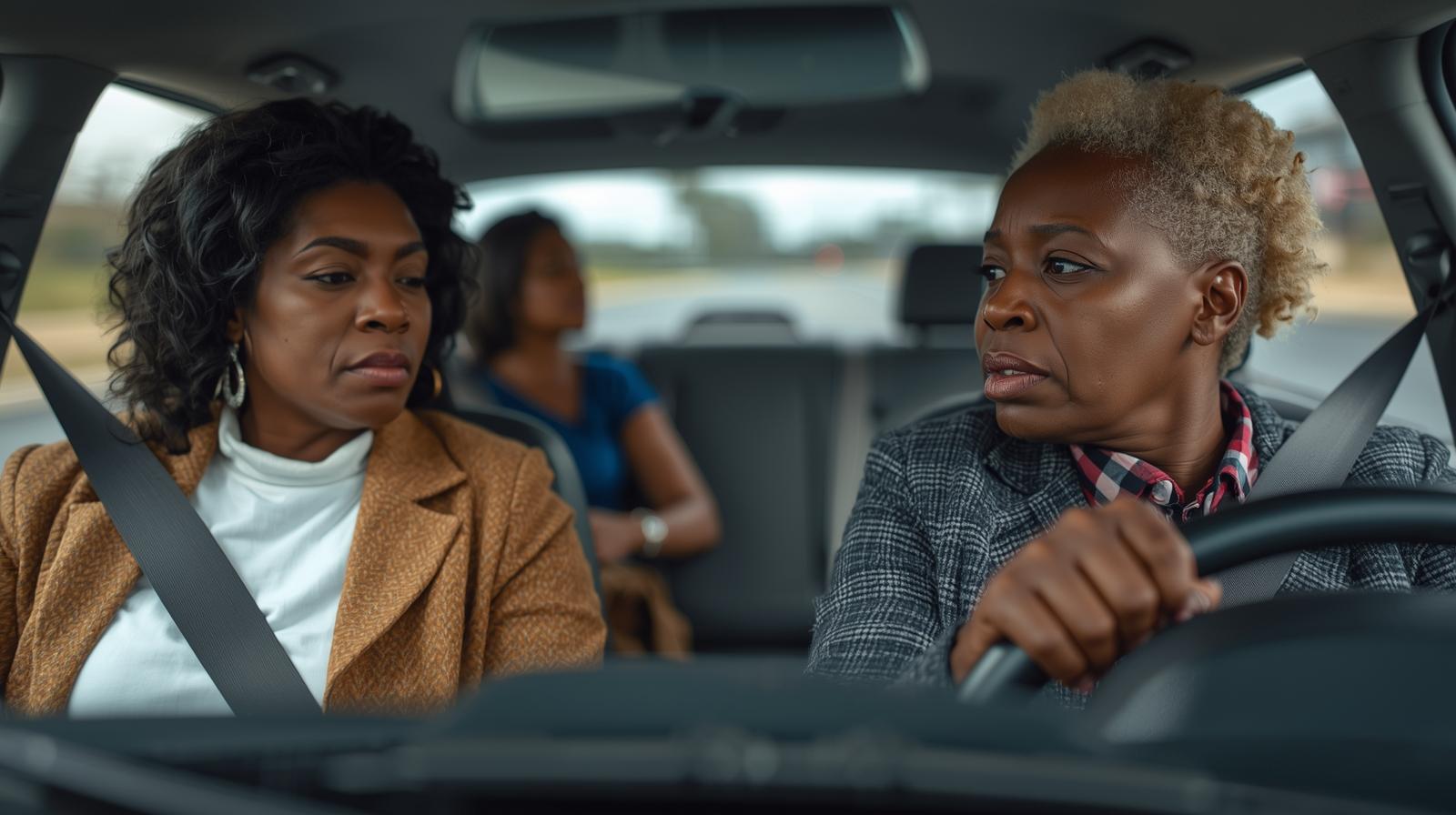
As people live longer and stay active later in life, more seniors are driving regularly—running errands, attending appointments, picking up grandchildren, and staying involved in their communities. For many, driving represents independence. Still, aging can bring changes that make distraction more dangerous. Slower reaction time, reduced night vision, hearing changes, and increased sensitivity to stress can make it harder to respond quickly when attention shifts away from the road.
Distraction-related accidents don’t only happen because someone is careless. They can happen when a driver’s attention is split between driving and another task—checking directions, adjusting a radio, reaching for a phone, or trying to respond to a passenger. In senior drivers, these “small” distractions can have bigger consequences because their margin for error may be smaller. If you were injured in a crash involving distracted driving—whether the senior driver was at fault or the victim—Panish | Shea | Ravipudi LLP can help evaluate what happened, identify the strongest evidence, and pursue accountability when distraction caused preventable harm.
Why Distraction Can Hit Seniors Harder Than Other Drivers
Distraction affects all drivers, but seniors may have a harder time recovering from brief lapses. Even a moment of looking away can be dangerous in fast-moving traffic, and older drivers may take longer to process what they see and make decisions. When attention returns to the road, they may not have enough time to brake, steer, or avoid impact.
Seniors may also be more affected by multitasking. Driving already requires constant scanning, speed control, and lane awareness. When additional tasks are added—reading a screen, searching for a street name, or adjusting climate controls—the brain has to divide focus. That divided focus increases crash risk for any driver, but the impact can be greater for someone with slowed processing speed.
Common Distractions Among Older Drivers
Older drivers face many of the same distractions as other motorists, but certain everyday habits and age-related challenges can make those distractions more risky. Common distractions among seniors include:
- Phone use for navigation and communication: GPS apps, calls, texts from family, and reminders can all pull attention away from driving—even without active texting.
- Looking at a GPS screen: Glancing down to check directions or reroute can reduce reaction time and awareness of hazards.
- Answering calls or searching for apps: Trying to locate an icon, accept a call, or adjust settings can create long “eyes-off-the-road” moments.
- Unfamiliar car technology: Touchscreens, infotainment systems, and advanced dashboard controls can be confusing, leading to distracted adjustments while driving.
- Adjusting vehicle settings: Seniors may spend extra time changing audio, climate controls, or dashboard options—especially if the interface is complicated.
- Medication-related distraction: Some medications can cause drowsiness, slowed reaction time, or mental fog, which can mimic the effects of distraction.
- Physical discomfort or mobility issues: Pain, stiffness, or fatigue can affect focus and make it harder to respond quickly.
- Hearing aids or glasses slipping: Fixing eyewear or hearing devices while driving can create a dangerous lapse in attention.
- Reaching for items: Grabbing a purse, medication bottle, water, or other personal items can take both eyes and hands away from driving.
Navigation And Unfamiliar Routes Can Increase Risk
Seniors often drive to medical appointments, new specialist offices, or unfamiliar locations. When a driver is anxious about missing a turn or confused about directions, distraction increases. They may glance down repeatedly at a phone or GPS, slow unexpectedly, or make sudden turns.
Unfamiliar routes also create decision pressure. A senior driver may realize too late that a turn is coming up and attempt a last-minute lane change. They may hesitate at intersections, misjudge distance, or focus too heavily on signs instead of traffic flow. These moments can lead to rear-end collisions, side-impact crashes, and intersection accidents.
Technology In Modern Cars Can Overwhelm Older Drivers
Modern vehicles have large touchscreens, lane alerts, complex infotainment systems, and multiple driving modes. While these tools are meant to help, they can become distracting—especially for drivers who aren’t comfortable with them. A senior driver may spend too much time trying to change a setting, connect a phone, or read small text on a display.
Touchscreen controls are especially distracting because they often require visual focus. Unlike physical knobs, drivers may need to look down repeatedly to tap the right button. That moment of looking away can be enough for traffic to stop, a pedestrian to enter the road, or a car ahead to brake suddenly.
How Distraction-Related Senior Crashes Often Happen
Senior distraction crashes often occur in situations that require quick decision-making: intersections, merging lanes, busy parking lots, and stop-and-go traffic. A driver may look away for a moment and fail to notice a red light, a stopped vehicle, or a cyclist in a bike lane. Rear-end collisions are common because distracted drivers often fail to brake in time.
Intersection crashes can be especially serious. Seniors may misjudge speed and distance, then become distracted by signs, signals, or turn timing. A split-second error can result in a T-bone collision, which often causes severe injuries to occupants on the impact side.
Injuries Are Often More Severe For Seniors In Any Crash
Even when a senior driver is not at fault, accidents involving older adults often result in more serious injuries. Seniors have increased risk of fractures, head injuries, internal bleeding, and complications due to reduced bone density and slower healing. Recovery may take longer and require more assistance.
Injuries that might heal quickly in a younger person can become life-altering for a senior. A hip fracture, traumatic brain injury, or spinal injury can reduce independence and lead to long-term care needs. That’s why documentation and full medical evaluation are so important when seniors are involved in distraction-related crashes.
Evidence That Helps Prove Senior Driver Distraction
Distraction can be difficult to prove without evidence. Cell phone records may show calls, texts, or app use at the time of the crash. Witnesses may report seeing the driver looking down or not watching the road. Police reports may include statements like “I didn’t see them” or “I was looking for an address,” which can support distraction claims.
Vehicle data can also be useful. Black box evidence may show no braking or delayed braking. Video footage from nearby businesses, dashcams, or traffic cameras can reveal lane drifting or last-second reactions. The strongest cases often use multiple forms of evidence to show that attention was not on the road.
Families Can Help Reduce Distraction Risk Before A Crash Happens
Prevention matters too. Families can help senior drivers reduce risk by setting up navigation before the car moves, encouraging hands-free calls only when necessary, and removing clutter from the car that could require reaching. It can also help to review unfamiliar routes in advance and plan trips during less congested times.
Regular vision checks, medication reviews, and discussions about comfort behind the wheel can also reduce distraction. If a senior feels overwhelmed by new technology, family members can help simplify settings or choose vehicles with easier controls. These steps protect not only the senior driver but everyone around them.
Senior Driver Distraction Is A Growing Safety Issue
Distraction-related accidents involving senior drivers often stem from a combination of modern technology, navigation stress, and slower reaction times. These incidents frequently occur at intersections and in stop-and-go traffic, with injuries being particularly severe for older adults.
Proving distraction-related harm requires evidence and a clear timeline, whether the senior driver was injured or someone else was affected. Documenting a claim is essential to hold accountable those responsible for preventable distractions while driving.

