

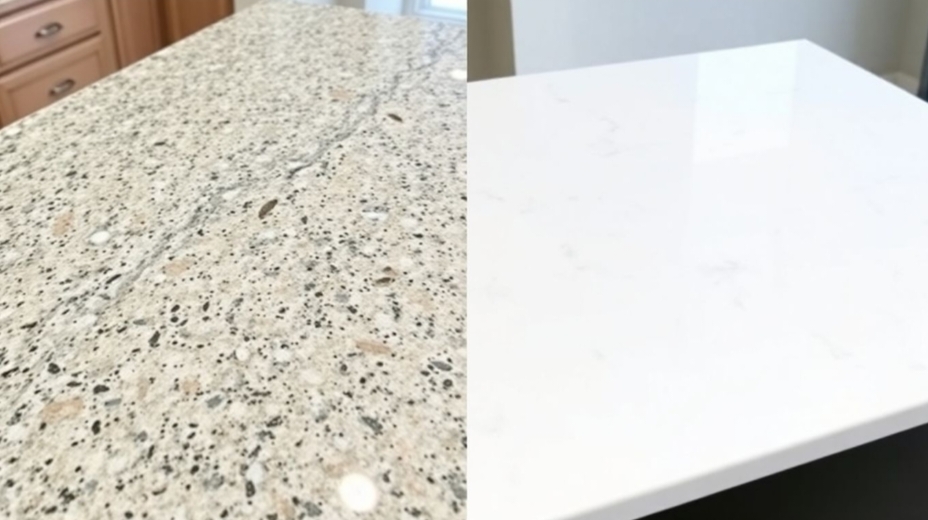
So, you’re looking to get some new kitchen worktops and are wondering whether to go for granite or quartz? It’s a common dilemma, as both are popular choices that look great and add value to your home. They might seem similar at first glance, but there are some pretty big differences under the surface. We’ll break down what makes each one tick, so you can figure out which granite countertop or quartz surface is the best fit for your home, your life, and your kitchen layout.
Understanding The Core Differences
So, you’re trying to figure out the deal with granite and quartz countertops, right? It’s easy to think they’re pretty much the same, especially when you see them in a showroom. But honestly, there are some pretty big differences lurking beneath the surface that could totally change your kitchen or bathroom. It’s not just about looks; it’s about what they’re made of and how they’ll behave over time.
What Is Granite?
Granite is a natural stone, pulled straight from the earth. Think of it like a unique piece of art from nature. Every single slab is different, with its own swirling patterns and colours. It’s been a popular choice for ages because it’s tough, can handle heat like a champ, and comes in a huge variety of shades, from subtle earthy tones to really vibrant, almost gem-like colours. Because it’s quarried, no two granite countertops will ever be exactly alike, which is a big part of its appeal.
What Is Quartz?
Now, quartz is a bit different. It’s an engineered product, meaning it’s man-made. It’s made from about 93% ground-up quartz crystals mixed with resins and pigments. This process gives it a really consistent look. You can get it in pretty much any colour or pattern you can imagine, and it’s often designed to mimic natural stone, but it can also come in completely abstract designs. Because it’s engineered, it’s also non-porous, which is a pretty significant advantage for kitchen countertops.
Composition: Natural Stone Versus Engineered
This is where the main split happens. Granite is 100% natural stone, quarried and then cut into slabs. This means its characteristics are all down to what happened deep inside the earth millions of years ago. Quartz, on the other hand, is a composite material. It starts with natural quartz minerals but is then combined with binders and colourings. This engineering allows for a lot more control over the final product’s appearance and properties. So, you’re essentially choosing between a completely natural, one-of-a-kind piece of the planet or a carefully crafted, consistent material.
Durability And Performance
When you’re picking out a new countertop, you want something that can stand up to everyday life, right? Both granite and quartz are pretty tough cookies, but they have their own little quirks.
Resistance To Heat
Granite is a bit of a superhero when it comes to heat. You can generally place a hot pan straight from the oven onto a granite surface without too much worry. It’s a natural stone, after all, formed under immense pressure and heat itself. Quartz, on the other hand, is engineered. While it’s heat resistant, it’s not quite as forgiving as granite. Putting a scorching hot pan directly onto quartz could potentially cause discolouration or even scorching, which is something to keep in mind, especially around the hob. It’s always best to use a trivet with quartz, just to be safe.
Scratch And Stain Resistance
Both materials are pretty good at fending off scratches and stains, which is a big plus for busy kitchens. Granite, being a natural stone, can sometimes have tiny pores that might absorb liquids if not sealed properly, leading to potential stains over time. However, with regular sealing, this is minimised. Quartz, because it’s engineered with resins, is non-porous. This makes it naturally resistant to stains from things like red wine or coffee. It’s also very hard, so scratching is rarely an issue for either material in normal use. If you’re looking for a material that’s generally more resistant to stains, quartz often has the edge here.
Potential For Cracking
This is where things get a bit more nuanced. Granite, being a natural product, can sometimes have hidden fissures or weaknesses within the slab. While rare, these can sometimes lead to cracking, especially if subjected to extreme temperature changes or a sharp impact. Quartz, because it’s manufactured, is more uniform. This homogeneity means it’s less likely to have inherent weak spots. However, like granite, quartz can also crack under extreme thermal shock (sudden, drastic temperature changes) or if it’s installed incorrectly with too much stress on the slab. It’s worth noting that while quartz is generally considered more durable overall, neither material is completely indestructible. For more information on the properties of these materials, you can check out granite countertop options.
Cost Considerations
Granite Countertop Pricing
Granite prices can really swing depending on what you’re after. You’re generally looking at something in the region of £35 to £100 per square foot, installed. The final figure often comes down to the specific type of granite you pick – some colours and patterns are rarer, making them pricier. Think of it like buying a piece of art; the more unique, the more it’ll cost. Supply and demand play a big part too, so if a certain look is super popular, expect to pay a bit more.
Quartz Countertop Pricing
Quartz tends to sit a little higher, usually ranging from about £45 to £150 per square foot, installed. While basic quartz can be quite competitive, the more intricate designs and colours, often mimicking natural stone patterns, can push the price up. It’s an engineered product, so the manufacturing process and the quality of the resins used also factor into the cost. Like granite, installation costs are separate and can add a fair bit to the total.
Long-Term Value
When you’re weighing up granite versus quartz, it’s worth remembering that both are considered premium materials. They’re an investment in your home, and most people agree that countertops are one area where you shouldn’t skimp. Choosing a good quality countertop, whether granite or quartz, can really add to your home’s appeal and potentially its resale value. While the initial outlay might seem steep, think about how long they’ll last and how they’ll perform day-to-day. It’s not just about the price tag today, but the value they bring over many years.
Choosing The Right Material For You
So, you’ve weighed up the pros and cons, looked at the aesthetics, and considered the durability. Now comes the big question: which one is actually right for you? It really boils down to a few key things, and honestly, there’s no single ‘best’ answer. It’s all about matching the material to your life and your home.
Lifestyle and Usage
Think about how you actually use your kitchen. Are you a keen baker who’s constantly chopping and prepping, maybe even directly on the surface sometimes (though we don’t recommend it!)? Or is your kitchen more of a showpiece, used for lighter tasks and entertaining?
- Busy Families: If you’ve got kids running around, spills are a daily occurrence, and you need something that can handle a bit of a battering without constant fuss, a quartz countertop might be your best bet. Its non-porous nature means it’s less likely to stain from juice spills or other common kitchen accidents. Plus, it’s generally easier to keep clean.
- Entertainers & Home Chefs: If you love to cook elaborate meals or host dinner parties, both materials can work. Granite offers a natural, heat-resistant surface that’s great for placing hot pans (though trivets are always a good idea!). Quartz is also very durable, but prolonged exposure to extreme heat can sometimes cause issues.
- Low-Maintenance Seekers: If your idea of a good time doesn’t involve a lot of scrubbing and sealing, quartz is definitely the easier option. It requires minimal upkeep, which is a big win for many people.
Design Preferences
This is where personal taste really comes into play. What look are you going for in your kitchen or bathroom?
- Unique & Natural: If you love the idea of having a truly one-of-a-kind surface, granite is the way to go. Each slab is unique, with its own veining and patterns, giving your space a natural, earthy feel. It’s like having a piece of art from the earth.
- Modern & Uniform: For a more consistent and contemporary look, quartz is often preferred. Because it’s engineered, you can get a very uniform colour and pattern across the entire surface. This can be great if you have a specific design vision and want everything to match perfectly. You can find quartz in a huge range of colours and styles, from solid whites to convincing marble or concrete imitations.
So, Which One Should You Choose?
Right then, after all that, it really does come down to what you’re after. If you love the idea of a completely unique, natural stone that can handle a bit of heat without flinching, granite might be your chap. It’s got that timeless, earthy vibe. On the other hand, if you’re after something that’s a doddle to look after, super tough against spills, and comes in a massive range of consistent looks, then quartz is probably the winner. Both are solid choices that’ll make your kitchen look a million quid and add value to your home. Just think about how you use your kitchen, what look you’re going for, and, of course, what your wallet’s saying. You can’t really go wrong with either, honestly.

