

Table of Contents
- Assess Your Dental Needs
- Seek Recommendations
- Utilize Online Resources
- Verify Credentials and Experience
- Evaluate Office Environment and Technology
- Review Patient Feedback
- Consider Accessibility and Convenience
- Understand Financial Policies
Choosing the right dentist is an important decision that can impact not only your oral health but also your overall well-being. Building a trusting relationship with your dentist helps ensure you enjoy comfortable care and optimal outcomes for years to come. With many options available, knowing where to start can feel overwhelming. For those beginning their search, the Delta Dental find a dentist tool can be an excellent resource to quickly locate providers in your area and view helpful details about their practice.
Taking a thoughtful, step-by-step approach will help you identify a dentist who not only meets your clinical needs but also aligns with your preferences for care. Thorough research and evaluation up front can save you time, stress, and money while ensuring you receive high-quality treatment.
1. Assess Your Dental Needs
Understanding your dental requirements is the best place to start. Consider whether you’re looking for routine check-ups and cleanings, cosmetic services like teeth whitening or veneers, or more specialized treatments such as orthodontics, endodontics, or periodontics. Dental practices sometimes focus on specific areas, so narrowing your needs will help you focus on dentists with relevant expertise. If you have children, you may also want to seek out a provider offering pediatric dental care to serve your whole family conveniently.
Additionally, think about any anxiety or special considerations you may have with dental visits. Finding a dentist skilled in handling dental anxiety or who offers sedation options could make your experience more comfortable. As with any healthcare choice, the right provider should recognize your concerns and care accordingly.
2. Seek Recommendations
Word of mouth remains one of the most powerful ways to find reliable healthcare providers. Reach out to family, friends, and co-workers to ask about their positive experiences with local dentists. Firsthand accounts can offer insight into a practice’s approach, atmosphere, and the dentist’s ability to communicate effectively and make patients feel at ease.
Don’t hesitate to ask specific questions: What do you like most about your dentist? How easy is it to schedule appointments? Does the staff seem knowledgeable and friendly? Recommendations rooted in trust can help you create a shortlist of dentists to investigate further.
3. Utilize Online Resources
Harness the power of the web to broaden your search. These databases often include essential details about licensing status, educational background, and services offered.
Many dental practices also have websites featuring provider bios, office photos, service lists, and even patient testimonials. These resources can help you get a quick sense of culture and available treatments. Always verify any information by contacting the practice directly for confirmation and clarification.
4. Verify Credentials and Experience
Before scheduling a visit, confirm the dentist’s qualifications. Ensure the provider is licensed in your state and holds current certifications. Membership in reputable organizations such as the ADA or the Academy of General Dentistry often indicates a commitment to professional development and continued education.
Examine a dentist’s areas of expertise and years in practice. Some dentists pursue advanced training and achieve board certification in specialties, which can be particularly relevant if you require complex procedures. Validating credentials can offer extra peace of mind and reinforce trust in your final choice.
5. Evaluate Office Environment and Technology
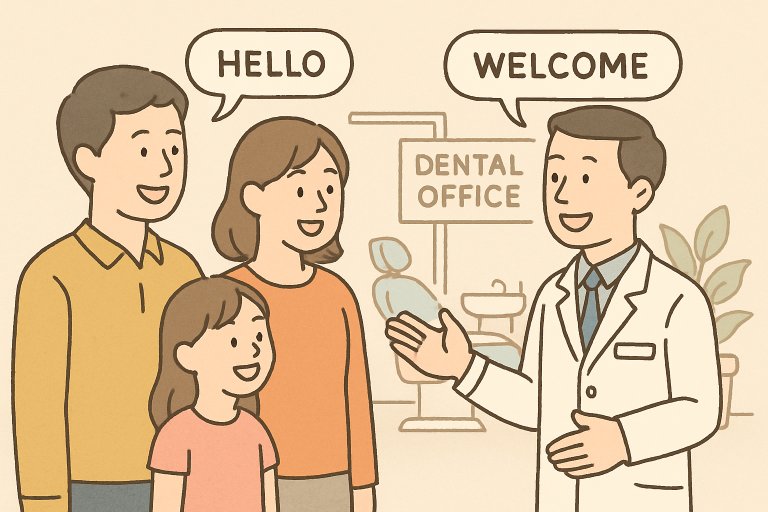
If possible, schedule an in-person or virtual visit to the dental practice before committing. Pay attention to the overall cleanliness, organization, and comfort of the office. Modern practices often invest in up-to-date dental technology, such as digital X-rays, intraoral cameras, and painless anesthesia delivery systems, to improve patient experiences and outcomes.
Observe the professionalism of the staff and check whether the environment feels welcoming and accommodating. Are patients greeted promptly and respectfully? Does the team seem well-coordinated and ready to answer your questions? The physical environment should put you at ease and reflect the standard of care you expect.
6. Review Patient Feedback
Online reviews offer valuable glimpses into the patient experience at a given dental office. Browse reputable platforms such as Google, Healthgrades, or even Yelp to gather general impressions. Consistent praise for a dentist’s bedside manner, the efficiency of support staff, and the cleanliness of the space are positive signs.
Pay attention to recurring themes, both positive and negative. A pattern of billing issues or communication problems might be a red flag worth considering as you make your choice. Just remember that isolated complaints are less critical than the overall trend of reviews.
7. Consider Accessibility and Convenience
Easy access to quality care can make a big difference in your ability to maintain regular appointments. Choose a dental office that’s close to your home or workplace and offers hours that fit your schedule, including evenings or weekends if needed.
If you or a family member has mobility needs, ensure the office features accommodations such as wheelchair ramps or elevators. Some practices also offer virtual consultations, which add an extra layer of convenience for busy or remote patients.
8. Understand Financial Policies
Navigating dental costs is essential to avoid surprises during treatment. Ask about accepted insurance plans, payment options, and available financing for larger procedures. A reputable practice will communicate fees and billing practices transparently, making it easier for you to manage your oral health investment.
By following each of these steps and utilizing high-quality resources along the way, you can locate a dentist who aligns with your needs and supports lasting oral health. Taking initiative to assess, research, and ask questions empowers you to make confident, informed decisions about your dental care.

