

Many health problems don’t announce themselves with pain or clear signs. They grow quietly over time. This is where a primary care doctor becomes so important. They are not just someone you visit when you feel sick.
They are your first line of defense in staying healthy. A primary care doctor knows your medical history, tracks small changes, and helps catch issues early—before they become serious. From routine checkups to simple screenings, they focus on prevention, not just treatment. In this blog, we’ll explore why having a trusted primary care doctor is one of the smartest steps you can take for long-term health.
Real prevention means more than showing up once a year
Genuine prevention isn’t a fifteen-minute annual visit where someone takes your vitals and sends you home. It’s methodical, ongoing attention to catching trouble before it takes root.
The preventive essentials your doctor weaves into your personal plan
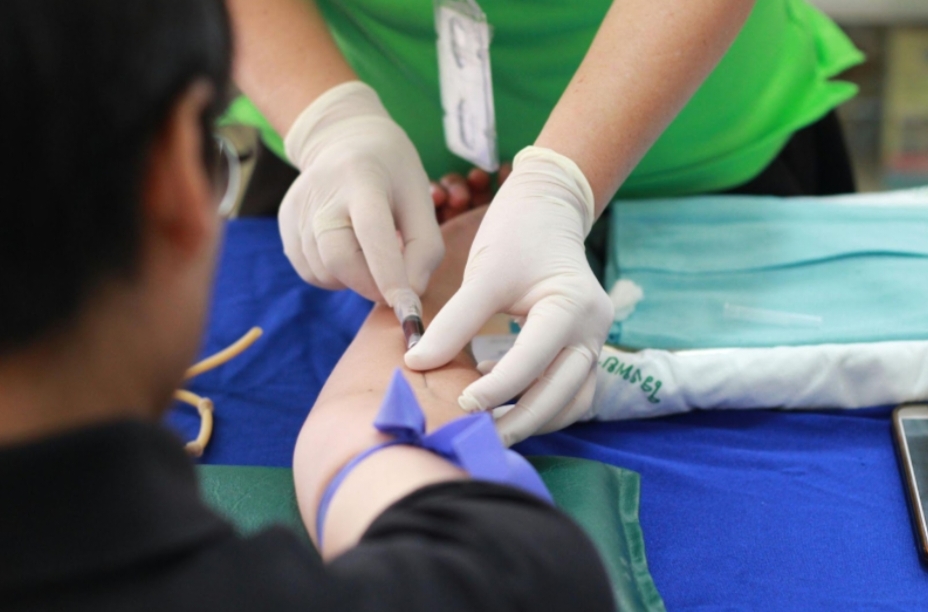
Your primary care doctor designs a screening timeline that fits your specific situation—your age, what runs in your family, and your individual risk factors. You’re looking at regular blood pressure monitoring, cholesterol testing, diabetes screening, plus age-specific cancer detection like colonoscopies, mammograms, and cervical checks.
Research shows cancer prevention through primary care screenings delivers 5–6% annual income value in high-income regions—meaning your doctor’s customized screening approach literally extends your life. Vaccines matter too, and they change as you age: annual flu shots, shingles protection, and pneumococcal vaccines.
Then there’s lifestyle risk management that becomes concrete instead of vague. Your doctor establishes actual targets—specific sleep goals, measurable nutrition improvements, defined activity levels, and substance reduction plans you can track.
Early detection that specialists and walk-in clinics simply can’t match
Specialists drill deep into one body system. Urgent care handles whatever’s hurting right now. But neither one follows your health narrative across years. When you search for primary care doctors near me, you’re really hunting for someone who’ll recognize subtle shifts—blood pressure climbing gradually, weight changes matching medication adjustments, and fatigue that might indicate early kidney dysfunction rather than generic “stress.”
Silent killers like hypertension, prediabetes, and elevated cholesterol don’t show up waving red flags. Your primary care physician identifies them through consistent monitoring before they trigger strokes, heart attacks, or permanent organ damage. They’ll also dig into symptoms that seem trivial but aren’t—headaches that won’t quit, persistent reflux, and sleep disturbances undermining everything else.
Grasping why preventive care demands continuity is step one—now let’s look at how that ongoing relationship actually improves your health trajectory.
Why primary care continuity transforms health outcomes
Staying with one clinician or care team fundamentally elevates medical decision quality. It’s not about convenience—it’s clinically superior.
How continuity sharpens medical decisions
When a single doctor knows your normal vitals, how your labs trend over time, what diseases run in your family, and what you prefer, you avoid redundant testing and contradictory recommendations. Your records stay unified, giving specialists complete context instead of disconnected fragments.
This coordination prevents dangerous medication interactions and aligns everyone toward shared health objectives. Avoidable deaths cost 2-8% of income—matching health expenditures (11% of global GDP)—demonstrating primary care’s preventive superiority over reactive medicine.
When your doctor already knows you’ve managed anxiety for years, they won’t misread heart palpitations or order unnecessary cardiac testing. That accumulated knowledge changes everything.
Risk stratification that personalizes your prevention strategy
One-size-fits-all screening schedules miss the point. Your primary care doctor converts family history, social determinants, and current behaviors into personalized risk categories. Got multiple relatives with colon cancer? Your screening starts earlier. A1C hovering in the prediabetic zone? You’ll test more frequently.
This targeted method catches issues in people requiring closer surveillance while skipping low-value tests for those at minimal risk.
They’ll also help you make sense of health news cycles and viral wellness fads, separating evidence-based screenings from pricey but useless “full body scans” or trendy blood panels that generate anxiety without improving outcomes.
While continuity establishes the foundation for intelligent prevention, your primary care physician’s role reaches well beyond ordering tests—into active disease prevention, medication safety, and integrated mental health support.
The hidden benefits of having a primary care physician
The benefits of having a primary care physician extend into domains that don’t fit traditional “annual physical” frameworks but dramatically affect your long-term health arc.
Preventing and reversing chronic conditions before they solidify
Stopping the slide from prediabetes to diabetes or elevated pressure to full hypertension can add literal years to your lifespan. Your doctor establishes structured follow-ups with trackable goals—perhaps dropping 10 pounds over three months or hitting specific daily sodium targets. Weight and cardiometabolic risk reduction succeed through accountability structures, not one-off advice.
They’ll also catch sleep apnea risks early and create referral pathways before chronic sleep loss damages your cardiovascular and metabolic systems.
This forward-thinking approach means you’re aggressively managing risk factors rather than waiting until the disease becomes established.
Mental health prevention woven into primary care
Depression, anxiety, and burnout screening happen routinely during preventive health care appointments, not just during crises. Early action—brief therapy options, appropriate medication, specialist referrals—prevents mental health conditions from becoming entrenched. Your doctor also connects stress physiology to physical health, explaining how chronic stress damages heart function, immunity, and sleep architecture.
Mental and physical health aren’t separate lanes; your primary care physician treats them as the unified system they actually are.
With these broader preventive advantages clear, your specific prevention priorities shift with age—here’s what matters in each decade.
Common Questions About Primary Care and Prevention
Do I need a primary care doctor if I’m healthy?
Absolutely—prevention works best before trouble appears. Healthy adults still need baseline screenings, immunizations, and risk evaluations that detect silent conditions early. Establishing care now means you’ll have continuity when issues eventually surface.
How often should I see a primary care doctor for preventive care?
Most healthy adults need annual appointments, but frequency increases with chronic conditions or elevated risk factors. Your doctor will suggest quarterly or biannual visits when you’re actively managing specific health objectives like weight reduction or blood pressure control.
What’s included in a preventive visit—and what’s not?
Preventive visits cover routine screenings, immunizations, and health guidance based on age and risk. New symptoms or existing condition management may generate separate billing—clarify costs before your appointment to avoid surprise charges from addressing multiple issues.
Your Next Step Toward Lasting Health
Preventive care isn’t something you can skip—it’s the line between catching problems when they’re fixable versus managing damage after it’s done. Your primary care doctor functions as the central coordinator tracking your health story across decades, spotting patterns that episodic care misses, and building genuinely personalized prevention plans.
The importance of primary care becomes obvious when you realize specialists and urgent care cannot replicate that continuity. Don’t wait for symptoms to force your hand. Schedule that preventive visit today and start protecting your future health instead of just reacting to present problems.

