

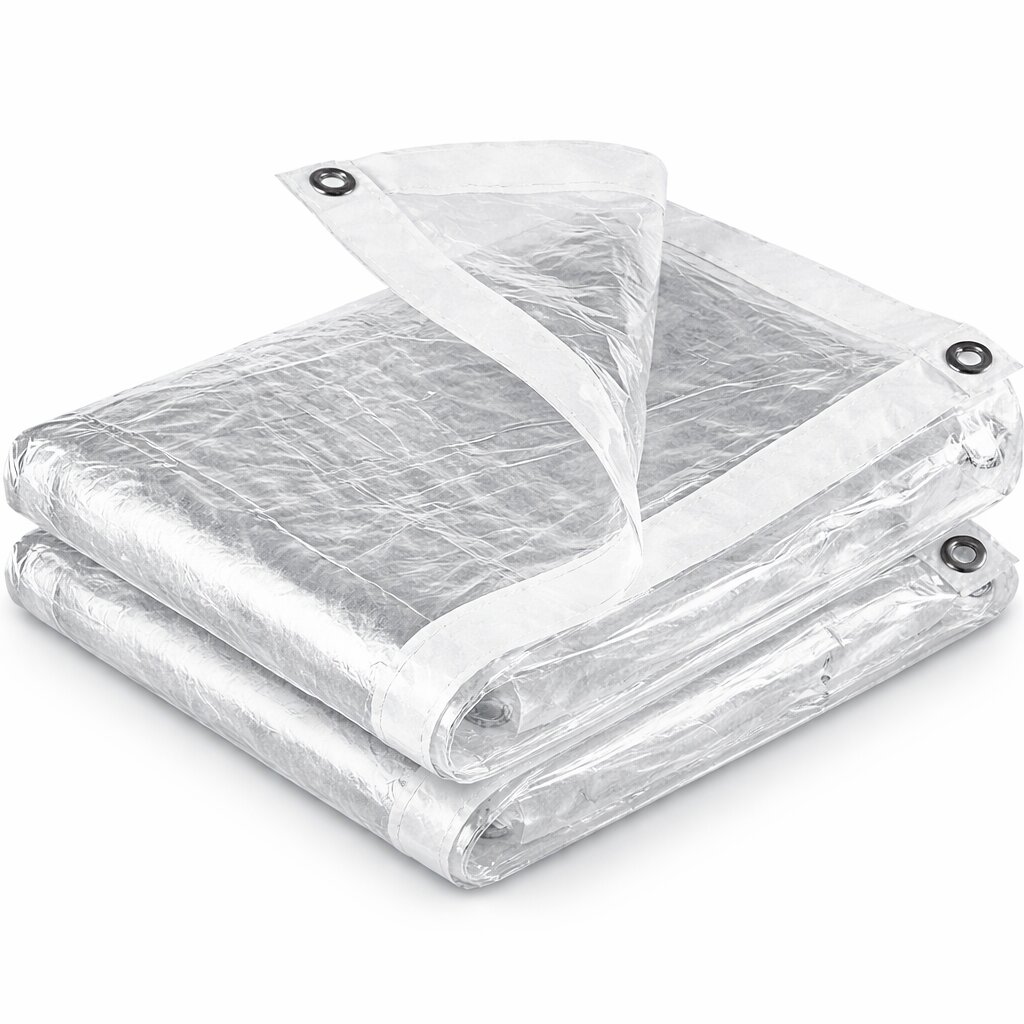
Tarpaulins are made for use in everything from home settings to industrial environments and everything in between. While heavy-duty tarpaulin fabric is probably the most durable and strongest fabric, it is not always the most practical option. Medium-weight Tarpaulins are strong, flexible, and cost-effective in many situations. Knowing when to use a medium-weight instead of a heavy-duty one can save you money, make it easier to handle, and achieve better results on your project.
Understanding the Difference in Weight and Strength
The major difference between medium-weight and heavy-duty tarpaulins is thickness and density. Typically, it is quantified in GSM, or grams per square meter. Heavy-duty tarpaulins possess a higher GSM rating, which makes them thicker and more resistant to tearing, puncturing, and extreme weather. By contrast, medium-weight tarpaulins have a medium durability but are lighter and easier to handle.
Although heavy-duty tarps are suitable for extreme conditions, medium-weight tarps are designed for moderate exposure over time outdoors. You can count on them to deliver effective waterproofing and UV protection without the added heft that can render heavy-duty sheets awkward in application.
The right weight depends on how much strain the tarp is going to be under and how often it will need adjusting.
Ideal for Short to Medium-Term Outdoor Use
The medium-weight tarpaulin is ideal for temporary and seasonal outdoor use. If you want to protect your garden furniture, firewood, and outdoor equipment in moderate weather conditions, a medium-weight tarp usually has the strength you’ll need.
Sometimes, a heavy-duty sheet is not necessarily the right choice for protecting things. For example, covering things for a couple of weeks of rain or protecting materials during a short renovation. A medium-weight tarp will give you reliable protection in these instances and is easier to fold, secure, and store.
The weather conditions in this place are not harsh, and hence they perform well. The medium-weight tarpaulins will do the job fine, and whenever we don’t have to worry about heavy winds, heavy snow, or direct sun.
Suitable for Construction and DIY Projects
Building and DIY work often need flexible protection solutions. Medium-weight tarpaulins are sturdy enough to cover building materials, protect scaffolding, or shield unfinished workspaces from rain and dust. Simultaneously, they are lightweight enough for easy repositioning during the day.
While painting, plastering, or flooring, you can use medium-weight Clear Tarpaulin to shield. They’re durable enough to resist tearing from minor abrasions, but not so much that they can’t be used indoors.
Sometimes it can be a little hard for DIYers to handle a heavy-duty tarp because of its weight. Medium-weight tarpaulins are strong enough for durability yet light enough that they are easy to use.
Easier Handling and Installation
The light weight of medium-weight tarpaulins is one of its biggest benefits. Heavy-duty tarps can get bulky and may need one or more pairs of hands to put them accurately. Medium-weight choices are easier and quicker to install due to the reduced weight.
It is very helpful when frequent changes are demanded. If, for example, you are covering a piece of equipment that requires frequent access, a medium-weight tarp can be more easily removed and replaced. Less stress, work faster on daily tasks.
Traveling is easier, too. Medium-weight tarpaulins are easier to transport in vehicles. They take up less space and are easy to fold. This feature can make a real difference for contractors or homeowners who run from job site to job site.
Cost-Effective Without Sacrificing Performance
Frequently, the tarpaulin a person chooses depends on their budget. Heavy-duty tarps cost more at the get-go as they are made of more materials and are reinforced. Not every project needs that much strength, however.
If extreme durability is not needed, medium-weight tarpaulins offer great bang for your buck. These options don’t require a huge investment, are water-resistant, and stand up to a moderate amount of wind. Medium-weight sheets can help to get the job done without breaking the bank or taking too long.
If the job doesn’t require heavy-duty tarps, paying for them might not be worthwhile! Choosing a tarp that suits your specific project demands guarantees an efficient use of your resources.
When Heavy Duty May Be Unnecessary
Choosing heavy-duty tarpaulins may be over the top in some situations. Heavy-duty materials offer higher tear resistance than indoor applications require. A medium-weight tarp can often do a great job of covering floors, furniture, or anything stored inside a garage or warehouse.
Likewise, undertaking a short-term landscaping effort by collecting soil, leaves, grass clippings, and similar materials does not need the thickness of a heavy-duty sheet. You will find medium-weight tarpaulins very efficient for this type of job. Also, they would be easy to clean and reuse.
If the tarp won’t be under constant friction and heavy load, but also won’t be exposed to extreme weather for long periods, it’ll make sense to go for a medium weight.
Balancing Durability and Flexibility
Medium-weight tarpaulins are an ideal combination of weight, strength, and flexibility. The objects can seamlessly conform to a variety of surfaces, making them ideal for use in a wide range of applications. This characteristic allows them to be used in versatile ways.
The edges are reinforced and possess rust-free eyelets that can be secured for stability. Though they may not resist heavy storms like heavy-duty tarps, they can certainly handle everyday protection.
The medium weight is determined by the level of exposure intensity, amount of usage, and handling requirements.
Conclusion
Depending on your requirements, you might need a heavy-duty tarp or a medium-weight tarp. Heavy-duty tarps offer maximum strength and long-term durability, but they are not always required. Medium-weight tarpaulins are suitable for moderate outdoor use, construction, DIY projects, and short-term protection.
Waterproofing is more trustworthy, easier to handle, and cheaper, but it will not affect the performance. When you assess the environmental conditions, duration of use, and the budget, you would easily find out that a medium-weight tarpaulin is the smarter and more practical choice.

