

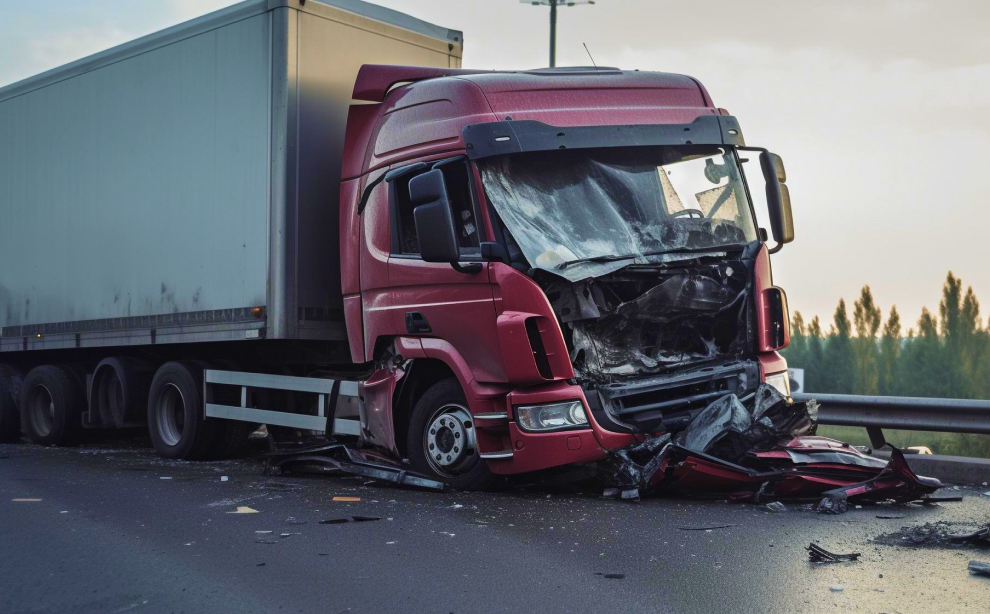
Truck accidents tend to cause far more damage than typical car crashes. The size and weight of commercial vehicles mean higher-impact collisions, more severe injuries, and more complicated recovery processes. Victims often face mounting medical bills, missed work, physical pain, and emotional trauma — all while trying to navigate insurance claims involving large trucking companies.
Understanding what compensation may be available is critical. A truck accident claim is not limited to immediate hospital expenses. It is designed to account for the full impact of the crash — physically, financially, and emotionally. Because commercial carriers often carry higher insurance limits and multiple parties may share responsibility, the scope of recovery can be broader than in a standard auto accident. To explore trucking accident claims in more detail, you can learn more here.
Medical Expenses — Present and Future
Medical costs are usually the foundation of any truck accident claim. Compensation may include emergency transportation, hospital care, surgeries, diagnostic imaging, physician visits, medications, and follow-up treatment.
However, serious truck accident injuries rarely end with the first hospital visit. Victims may require months of physical therapy, rehabilitation, pain management, or specialist consultations. In catastrophic cases — such as spinal cord injuries, traumatic brain injuries, or multiple fractures — long-term care, future surgeries, and assistive devices may be necessary. A fair claim considers both current medical bills and reasonably anticipated future treatment costs.
Lost Wages During Recovery
When injuries prevent you from working, you may seek compensation for lost wages. This includes salary, hourly pay, overtime, commissions, and even lost business income for self-employed individuals.
Lost wage claims are typically supported by pay stubs, employer verification letters, tax returns, or business records. The goal is to restore the income you would have earned if the accident had not occurred.
Loss of Earning Capacity
Some injuries permanently affect a person’s ability to earn a living. Even if you return to work, you may no longer be able to perform physically demanding tasks, work long hours, or advance in your career the way you had planned.
Loss of earning capacity addresses the long-term financial impact of those limitations. It looks at what you were reasonably expected to earn over your lifetime versus what you can now earn given your physical condition. This can be a significant portion of compensation in severe injury cases.
Property Damage and Vehicle Loss
Truck collisions frequently involve passenger vehicles. Compensation may include repair costs or the fair market value of the vehicle if it is declared a total loss.
Property damage can also extend to items inside the vehicle — such as electronics, child safety seats, work tools, or other personal belongings destroyed during the crash. While these losses may seem small compared to medical bills, they are still recoverable.
Pain and Suffering
Not all losses are financial. Pain and suffering compensation reflects the physical discomfort and limitations caused by your injuries. Chronic pain, restricted mobility, sleep disruption, and ongoing physical challenges all fall into this category.
This type of compensation recognizes that injuries affect more than just your bank account. The severity of the injury, the length of recovery, and the permanence of symptoms often influence the value of pain and suffering damages.
Emotional Distress and Mental Anguish
Truck accidents are traumatic events. Many victims experience anxiety, depression, fear of driving, or post-traumatic stress. Emotional distress compensation addresses these psychological effects.
Mental health treatment records, counseling notes, and consistent documentation of symptoms can help support this portion of a claim. Emotional harm can be just as life-altering as physical injury, especially when it interferes with daily routines and relationships.
Permanent Disability or Disfigurement
If a truck accident results in permanent impairment, loss of mobility, or visible scarring, additional compensation may be available. Permanent disability can affect independence, career opportunities, and overall quality of life.
Disfigurement damages may apply in cases involving severe scarring, burns, or amputations. These injuries often carry lasting emotional and social consequences beyond their physical impact.
Out-of-Pocket and Related Expenses
Many accident-related costs do not appear on major medical invoices. These may include prescription co-pays, over-the-counter medications, mileage to appointments, medical equipment, home modifications, or hiring help for household tasks during recovery.
Keeping organized records of these expenses helps ensure they are included in the claim. Over time, smaller costs can accumulate into a significant financial burden.
Wrongful Death Compensation
When a truck accident results in a fatality, certain surviving family members may pursue wrongful death damages. Compensation may include funeral and burial expenses, loss of financial support, and loss of companionship and guidance.
These cases often involve both emotional and economic damages and may include claims related to the decedent’s medical care before death. Because trucking accidents frequently involve corporate defendants, wrongful death claims can be complex and require thorough investigation.
Punitive Damages in Severe Misconduct Cases
In some cases, additional damages may be available if the trucking company or driver acted with extreme recklessness. Examples could include intoxicated driving, serious hours-of-service violations, knowingly operating unsafe equipment, or repeated safety rule violations.
Punitive damages are not available in every case. They are typically reserved for conduct that goes beyond simple negligence and demonstrates a conscious disregard for public safety.
Why Truck Accident Claims Can Be Larger Than Car Accident Claims
Commercial trucks are usually insured under higher policy limits than standard passenger vehicles. Additionally, liability may extend beyond the driver to the trucking company, maintenance providers, cargo loaders, or other third parties.
Identifying all responsible parties can significantly affect the total compensation available. Trucking cases often require a detailed review of driver logs, maintenance records, electronic data, and corporate safety policies to determine the full scope of responsibility.
Compensation Should Reflect the Full Impact of the Crash
Compensation after a truck accident is not limited to immediate medical bills. It can include lost income, long-term earning limitations, emotional distress, disability, property damage, and, in some cases, punitive damages. Because these accidents frequently cause life-changing injuries, claims should account for both current losses and future consequences.
A thorough evaluation of your injuries, financial impact, and long-term needs is essential to pursuing fair compensation. The goal is not simply to resolve the claim quickly, but to secure a recovery that truly reflects the full extent of harm caused by the cra

