

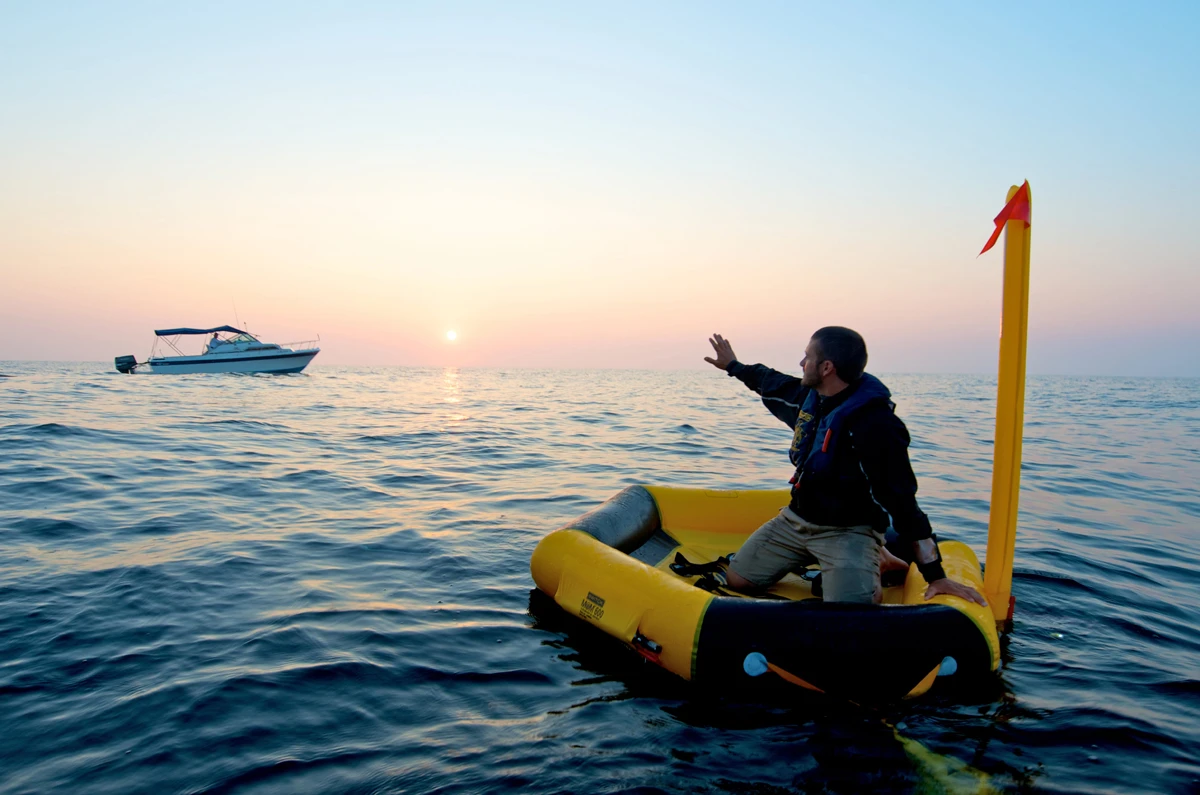
Anchoring is a fundamental skill for every boater, whether you are enjoying a quiet day on the lake, docking in a marina, or navigating coastal waters. Proper anchoring ensures your vessel remains secure, reduces stress, and protects both your boat and the surrounding environment. Mastering anchoring techniques, combined with quality Marine Parts, allows for safe and effective mooring in a variety of conditions.
Understanding Anchors and Their Purpose
An anchor’s primary role is to hold a boat in place against wind, current, and waves. Choosing the right type of anchor depends on water depth, seabed composition, and boat size. Common types include:
- Fluke Anchors (Danforth): Lightweight and effective in sand or mud.
- Plow Anchors (CQR): Good for rocky or mixed bottoms, ideal for larger vessels.
- Claw Anchors (Bruce): Quick setting and effective in many bottom types.
- Mushroom Anchors: Best for small boats or permanent moorings.
Understanding the characteristics of each anchor type, as well as how they interact with the seabed, is crucial for secure anchoring.
Preparing Your Anchoring Equipment
Before dropping anchor, inspect all related Marine Parts, including:
- Anchor Chain and Rode: Ensure there are no worn links or frayed ropes.
- Swivels and Shackles: These reduce twisting and prevent damage to lines or boat fittings.
- Windlasses or Manual Winches: Make anchoring easier, especially in deeper water.
Well-maintained Marine Parts reduce the risk of failure, making anchoring safer in all conditions.
Anchoring in Calm Waters
Calm conditions, such as small lakes or sheltered bays, allow for simpler anchoring techniques:
- Select a Suitable Spot: Look for moderate depth, clear of hazards, and with an appropriate bottom type.
- Calculate Scope: The scope is the ratio of anchor rode length to water depth. A common recommendation is 5:1 in calm conditions.
- Drop the Anchor Slowly: Let it touch the bottom and gradually release line while reversing the boat to set it firmly.
- Check Holding: Monitor for drift and adjust scope or position if needed.
Calm water anchoring emphasizes accuracy and planning rather than brute strength.
Anchoring in Rough Waters
Anchoring in rough conditions, such as coastal bays or during strong winds, requires extra attention:
- Increase Scope: A ratio of 7:1 or more helps the anchor hold against stronger forces.
- Choose Shelter: If possible, anchor in protected coves or behind natural barriers.
- Set Multiple Anchors: In extreme conditions, using two anchors in a V-shape increases stability.
- Monitor Continuously: Watch for dragging, shifting winds, or changing tides, and adjust anchors as needed.
Strong currents, wind, and waves put extra strain on both your anchor and your Marine Parts, making equipment quality and condition critical.
Techniques and Tips
- Let the Anchor Set Properly: Avoid sudden jerks that can dislodge the anchor.
- Mark Your Anchor Line: Use floats or markers to monitor tension and position.
- Check Bottom Composition: Mud, sand, rock, and weeds all affect holding. Adjust your anchor type accordingly.
- Maintain Backup Gear: Keep spare shackles, lines, and small anchors for emergencies.
Experienced sailors understand that proper anchoring is a combination of knowledge, technique, and reliable equipment.
Environmental Considerations
Anchoring can impact fragile ecosystems like coral reefs, seagrass beds, or sandy bottoms. Avoid sensitive areas and use designated anchoring zones when available. Rotating anchor positions or using mooring buoys helps minimize damage. Respecting the environment protects habitats and ensures sustainable enjoyment of waterways.
Common Mistakes to Avoid
- Using insufficient scope in strong winds.
- Anchoring over steep slopes or rocky bottoms without proper gear.
- Neglecting inspection of anchor, rode, or Marine Parts before use.
- Failing to monitor drift, leading to collisions or grounding.
Awareness of these pitfalls ensures a safe and trouble-free anchoring experience.
Conclusion
Anchoring is an essential skill for boaters, requiring knowledge, technique, and reliable equipment. By understanding different anchor types, using the correct scope, and maintaining key Marine Parts, sailors can secure their vessels in both calm and rough waters. Proper anchoring not only protects your boat but also preserves the environment and allows for worry-free enjoyment of your time on the water. Mastery of this skill is fundamental to safe, confident, and rewarding boating adventures.

