

Bringing a new kitten home is an exciting experience, but it also comes with important responsibilities, like choosing the right litter box. While it may seem like a simple purchase, the type of litter box you select can significantly impact your kitten’s comfort, hygiene, and overall behavior.
With so many options available, it’s important to understand what works best for a young cat just starting to develop litter habits.
Understanding Your Kitten’s Needs
Kittens are still learning their environment, so accessibility is key. A litter box with low sides allows them to climb in and out easily without frustration. If the box feels difficult to enter, your kitten may hesitate to use it.
Size also matters. While you don’t need a large box immediately, it should be spacious enough for your kitten to move around comfortably. As your kitten grows, you can transition to a larger box that accommodates their size and habits.
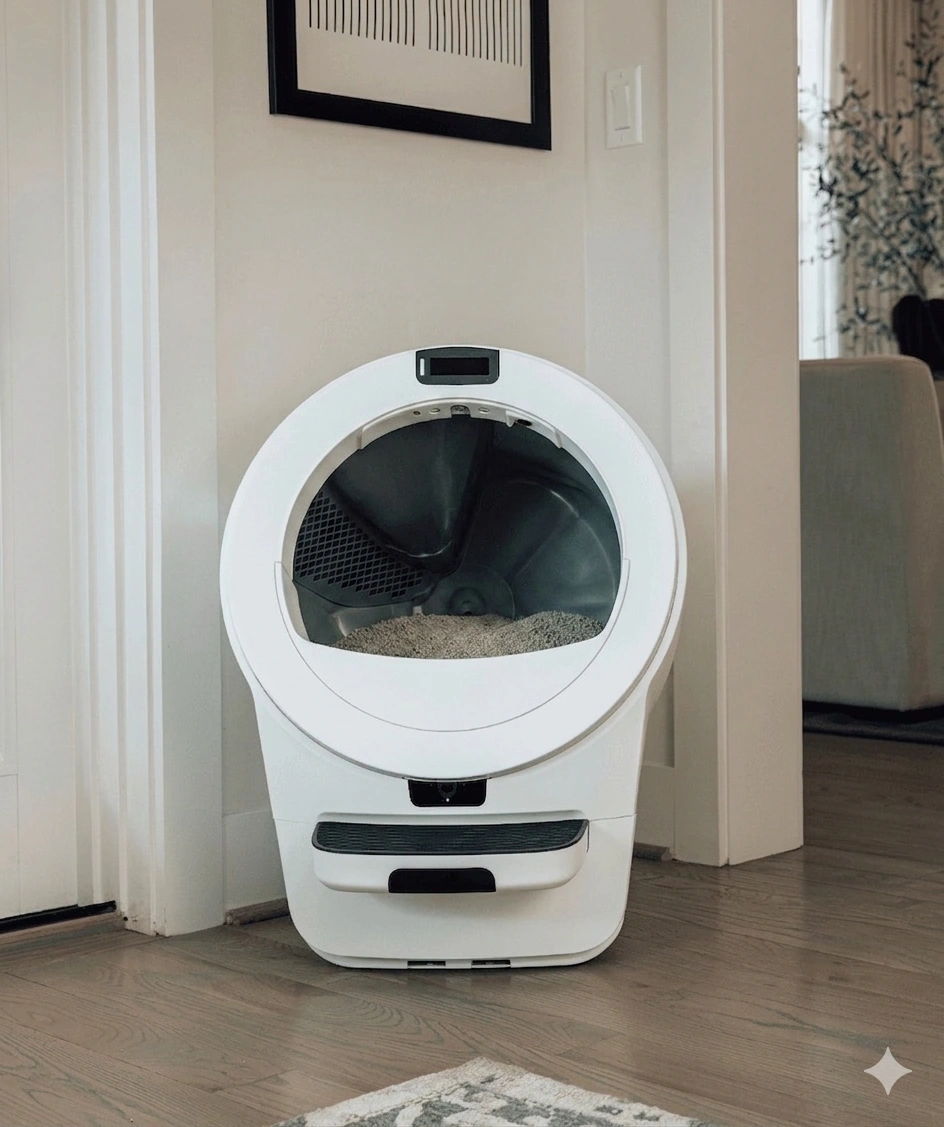
When browsing options, you’ll quickly come across everything from basic trays to high-tech solutions like an automatic litter box. An automatic litter box can be a great option for pet owners who want a more convenient, low-maintenance solution, as it helps keep the litter area clean with minimal effort.
Solutions like automatic litter boxes are especially popular among new pet owners for their ease of use and consistent cleanliness. For kittens, the key is ensuring the box is easy to access and comfortable, so choosing a model with gentle operation or pairing it with a simple setup can help create a positive experience.
Open vs. Covered Litter Boxes
One of the first decisions you’ll face is choosing an open or covered litter box. Open boxes are often ideal for kittens because they are easy to access and allow for better visibility. This helps your kitten feel secure while learning where to go.
Covered litter boxes offer added privacy and can help manage odors, making them appealing for many households. Introducing a covered option gradually can help your kitten adjust while still enjoying the benefits of an enclosed space.
Choosing the Right Litter
The litter itself is just as important as the box. For kittens, it’s best to choose a soft, unscented litter that is gentle on their paws. Strong fragrances can be overwhelming and may discourage consistent use.
There’s also the matter of clumping vs. non-clumping litter to consider. Clumping litter is popular among cat owners because it makes cleaning easier, but some experts recommend non-clumping options for very young kittens. This reduces the risk of ingestion, as kittens tend to explore their surroundings with their mouths.
Placement Matters
Where you place the litter box can greatly influence your kitten’s habits. Choose a quiet, low-traffic area where your kitten feels safe and undisturbed. Avoid placing the box near food and water bowls, as cats naturally prefer to keep these areas separate.
Consistency is crucial. Once you’ve selected a location, try not to move the box frequently. Keeping things predictable helps reinforce good habits and builds confidence.
How Many Litter Boxes Do You Need?
A common rule of thumb is to have one litter box per cat, plus one extra. Even with one kitten, having an additional box can be helpful, especially in larger homes. This ensures your kitten always has easy access to a clean and convenient spot. As your kitten grows and becomes more confident, you can reassess your setup and adjust accordingly.
Cleaning and Maintenance
Keeping the litter box clean is essential for encouraging consistent use. Scoop waste daily and replace the litter regularly to maintain a fresh environment. A clean space makes it easier for your kitten to develop reliable habits.
An automatic litter box can be helpful here, especially for new pet owners, as it maintains cleanliness throughout the day without requiring constant attention. This consistency supports both your kitten’s comfort and your own convenience.
Common Mistakes To Avoid
Many new pet owners unintentionally make mistakes when setting up a litter box. Choosing a box that is too large or too complex can overwhelm a kitten. Similarly, switching litter types too frequently can confuse them and disrupt their habits.
Another common issue is neglecting cleanliness. Even the best litter box won’t be effective if it isn’t properly maintained. Staying consistent with cleaning and placement will go a long way in establishing good behavior.
Also Read : How to Keep Kids Entertained on Your Next Mountain Vacation
Setting Your Kitten Up for Success
Choosing the right litter box is one of the first steps in creating a comfortable and healthy environment for your kitten. By prioritizing accessibility, cleanliness, and consistency, you can help your new pet develop positive habits that last a lifetime.
Modern solutions, such as automatic litter boxes, offer convenience and improved hygiene, making them an appealing choice for many new cat owners. Whether you start simple or go high-tech from the beginning, the most important thing is to ensure your kitten feels comfortable.
With the right approach and a little patience, your kitten will quickly adapt, and you’ll both enjoy a cleaner, happier home.

