

Think Kenya is about game drives only? Think again. Find out about the beaches, cities, mountains, and cultural sites that most visitors skip.
Ask someone what comes to their mind when they think of Kenya, you’re almost guaranteed to hear “safari.” And rightly so – Kenya’s wildlife is world class. But to reduce Kenya to its game reserves is as much as to reduce Italy to its pasta. There’s a whole country out there beyond the savannah, and it’s spectacularly diverse. From Indian Ocean coral reefs to snow-capped equatorial peaks, from ancient Swahili trading towns to one of Africa’s most dynamic capital cities, Kenya has a depth of experience that few destinations can match.
This guide is for travellers that are looking to dig deeper – to discover the Kenya that doesn’t always make the brochure cover. For those who wish to blend these experiences with a traditional safari, we recommend Majestic Kenya Safaris, which creates tailor-made itineraries that are combined with a wildlife, coast, culture, and adventure depending on your preferences.
The Kenyan Coast – Africa’s Best Kept Beach Secret
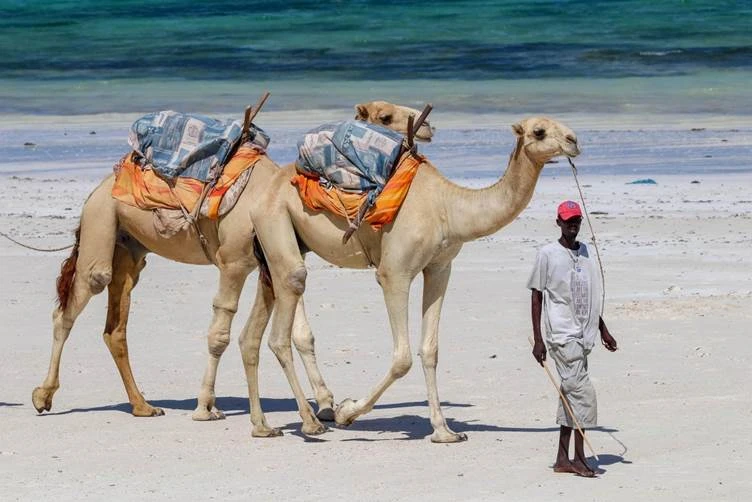
Kenya’s 536-kilometre Indian Ocean coastline is gorgeous, and it pales in comparison with the equivalent beaches of Southeast Asia, the Caribbean or the Mediterranean in terms of crowding. Diani Beach, around an hour south of Mombasa, is the headliner – a long stretch of white sand with palm and casuarinas and warm turquoise waters that is great for kitesurfing, paddle boarding and kayaking. It’s been voted Africa’s leading beach destination several times in the World Travel Awards.
But the appeal of the coast goes far beyond sunbathing. Watamu, a small town north of Mombasa, is at the edge of a marine national park whose snorkelling is as good as anything in the Maldives at a fraction of the price. It has sea turtles nesting on its beaches and between October and March whale sharks gather offshore where they attract snorkellers and divers from all over the world. The Watamu Marine Association has community-led conservation programmes that can be taken part in by visitors.
Kilifi, wedged between Mombasa and Watamu, has become the bohemian coastal center of Kenya – think yoga retreats, organic farm-to-table restaurants and a lively arts scene. It’s the kind of place where you check in for two nights, and stay for a week. Combine any of these with a safari for the ultimate safari and beach Kenyan holiday.
Lamu – Where Time Stands Still
Lamu Archipelago off the northern coast of Kenya is one of the magics of all Africa. Lamu Old Town is a World Heritage Site and is the oldest continually inhabited Swahili settlement in East Africa. Its coral stone buildings, narrow winding streets and elaborately carved wooden doors have changed little since they were built more than 700 years ago. There are no cars on the island – transportation is by foot, donkey or dhow.
The rhythm of life on Lamu is hypnotic. Days are spent wandering the old town, swimming off deserted beaches on neighbouring Manda and Shela, eating grilled seafood at waterfront restaurants and sailing on traditional dhows as the sun sets. The annual Lamu Cultural Festival is a celebration of Swahili heritage – music, poetry, traditional crafts, donkey races and dhow regattas. Lamu draws a very different type of traveller from the safari circuit and that’s exactly the charm of Lamu.
Nairobi – The Most Underrated City in Africa
Many visitors use Nairobi as a stopover – a place to sleep before heading to the Mara. That’s a mistake. Kenya’s capital is among the liveliest, most creative, and unexpected cities in Africa, and is worth at least two or three days of your itinerary.
Start with the David Sheldrick Wildlife Trust (it is now called the Sheldrick Wildlife Trust) where orphaned baby elephants are rehabilitated before being returned to the wild. The daily 11am feeding is open to the public and is considered as one of the most heartwarming wildlife encounters in the country. The Giraffe Centre in Lang’ata has a hand-feeding platform to approach the endangered Rothschild’s giraffes from an elevated platform – eye to eye.
Nairobi National Park, less than seven kilometres from the city centre, is surreal. Where else can you watch lions, rhinos and buffalos with skyscrapers in the horizon? The Nairobi National Museum provides a good overview of the natural and cultural history of Kenya, and the botanical gardens, next door, are a peaceful respite from the energy of the city.
The food scene is booming. Nairobi’s restaurants run the gamut from high-end food at such places as Talisman and Cultiva to more colorful street food in areas such as the Kenyatta Market. Nyama choma (grilled meat), ugali (maize meal) and fresh juices of tropical fruit are staples. The city’s craft beer scene is also growing with microbreweries such as Big Five Breweries and Brew Bistro gaining loyal followings.
Mountains, Valleys, and Lakes
The geography of Kenya is amazingly diverse. Africa’s second highest mountain, Mount Kenya, reaches 5,199 metres height through equatorial forests to the zones of bamboo and alpine moorlands to glaciated peaks. The trek to Point Lenana (4,985m) is a serious but possible multi-day hike which will reward you with sunrise views of the whole East African plateau. It’s a fraction of the cost and crowds of climbing Kilimanjaro and many experienced trekkers think that it is the better experience.
The Great Rift Valley cuts across western Kenya to produce a landscape of dramatic escarpments, volcanic crater lakes, and fertile highlands. Lake Naivasha, an easy day trip from Nairobi, offers boat safaris amongst hippos and fish eagles. Hell’s Gate National Park, nearby, is one of the few parks in Kenya where you can walk and cycle freely among zebras, giraffes and buffalos – no vehicle required. The geothermal gorge and steam vents and hot springs in the park were supposedly an inspiration for the landscapes in Disney’s The Lion King.
Lake Turkana, which is in the remote far north of Kenya, is the largest permanent desert lake in the world, and is a World Heritage Site. Known as the Jade Sea for its striking blue-green colour, it’s surrounded by volcanic landscapes, fossil sites of enormous palaeontological significance and the traditional homelands of the Turkana and El Molo people. Getting there is an adventure in itself but for those willing to make the journey, it’s one of the most extraordinary places in Africa.
Cultural Immersion Outside of the Tourist Track
Kenya’s cultural diversity is remarkable – more than 40 ethnic groups with different languages, traditions and art forms. While Maasai cultural visits are well-established on the tourist circuit, there are more in-depth experiences out there for those who seek them out.
Community conservancies throughout Laikipia, Samburu and the Mara ecosystem have community-owned lodges, and the tourism revenue goes directly towards local livelihoods. Visitors can join bead making workshops, learn traditional herding techniques, as well as hear oral histories from the community elders. In western Kenya, there is a strong fishing culture and music in the Luo community surrounding Lake Victoria. Along the coast Swahili culture is a blend of African, Arab and Indian cultures in terms of their architecture, food and language.
For music lovers, the live music scene in Nairobi runs the gamut from traditional nyatiti (a stringed instrument of the Luo people) performances to Afrobeat, hip-hop and electronic music. The city has a number of music festivals throughout the year and places such as J’s Fresh Bar and Alchemist are centres for Kenya’s creative industry.
Adventure Sports
Beyond hiking and diving, Kenya has white water rafting (Tana River), kitesurfing (Diani), rock climbing (Hell’s Gate), paragliding (Rift Valley) and skydiving (Diani Beach). For ultra-runners, one of the world’s most unique road races is the Lewa Safari Marathon, which is run through a rhino conservancy at an altitude of 1,700 metres.
Cycling is a very popular way to experience the country side of Kenya; there are several operators who offer multi-day biking safaris through conservancies in Laikipia and the Mara. It’s a slower, more intimate way to experience the landscape – and a surprisingly effective way to see wildlife, since bikes are noisier than vehicles.
Start Planning
Kenya is one of rare destinations that has something for every kind of traveller. The key is knowing where to look. Whether it is the coast, the mountains, the culture, or all of the above, Majestic Kenya Safaris can help you design a trip that will go far beyond the game drive.

