

Key Takeaways
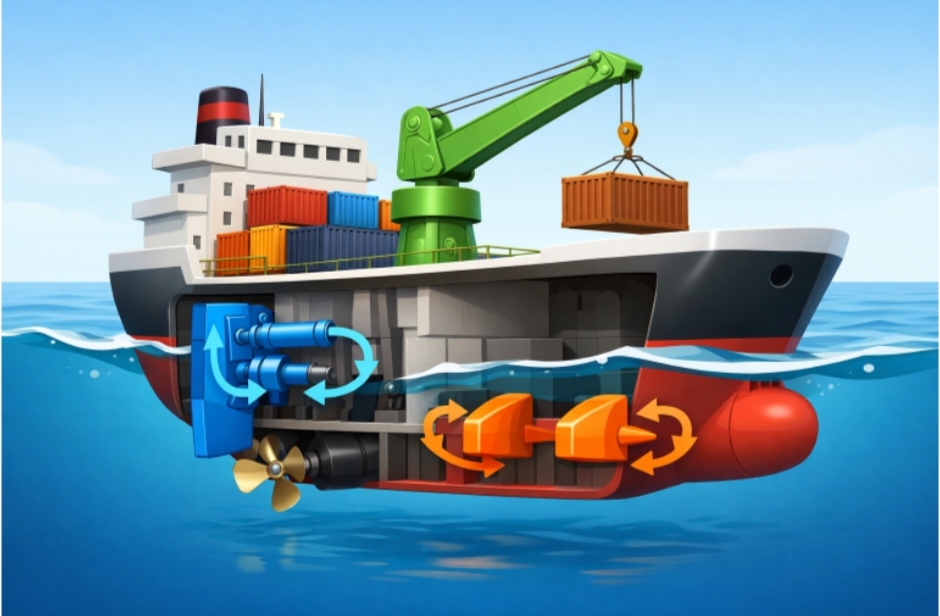
- Hydraulic systems serve critical roles in vessel steering, propulsion, and handling heavy cargo.
- Recent innovations in marine hydraulics improve efficiency and safety while supporting eco-friendly shipping.
- Maintaining hydraulic systems is vital to reliable and safe maritime operations.
Marine hydraulics have transformed modern shipping, providing essential functionality in steering, propulsion, and cargo management. With robust performance and high levels of responsiveness, hydraulic technology underpins almost every aspect of maritime operations. The versatility of hydraulic systems extends well beyond critical ship functions, also enhancing comfort and usability on board through innovations for boat furniture outdoor living options. As maritime vessels face increasing demands for efficiency, safety, and sustainability, the evolution of marine hydraulics remains pivotal.
From major cargo ships to luxury yachts, hydraulic systems ensure vessels operate safely and efficiently. They drive the sophisticated equipment required for heavy-duty work at sea and provide smooth, reliable movement even in challenging conditions. The adaptability of these systems is now helping the industry meet stricter environmental and operational standards, while also supporting enhanced experiences for crews and passengers.
Steering and Propulsion Systems
Ship steering and propulsion depend heavily on the precision provided by hydraulic systems. Hydraulics empower rudders and thrusters to respond smoothly and accurately to navigational commands, which is particularly important in rough or congested waters. This technology makes it possible for modern vessels to execute intricate maneuvers required for port entry, tight docking, or avoiding hazards.
By translating control inputs into swift rudder adjustments or thruster activation, hydraulics help mariners maintain the correct course regardless of external forces like wind or currents. The reliability and speed of these systems are indispensable, forming the backbone of safe vessel navigation worldwide.
Cargo Handling and Deck Machinery
The logistical backbone of sea freight, hydraulic-powered cargo handling equipment, allows ships to load, unload, and secure large quantities of goods efficiently. Hydraulic cranes, winches, and hatches provide the muscle needed to move containers, project cargo, and heavy gear. The resilience of these systems is critical, as they must perform under the stress of repetitive use, exposure to saltwater, and changing weather.
Advanced hydraulics make it possible for maritime operators to maximize turnaround times in port and optimize deck operations. Efficiency gains from modern systems translate into cost savings and improved safety records, both vital for globally competitive shipping industries.
Stabilization and Safety Mechanisms
At sea, vessel stability is threatened by wave action and unpredictable conditions. Hydraulic stabilizers are essential tools for minimizing rolling motion, keeping ships on an even keel. These systems employ powerful actuators to rapidly adjust the angle of underwater fins based on real-time data, which improves the comfort of passengers and protects sensitive cargo.
In addition to stabilizing rolling motion, hydraulics support vital safety mechanisms across ships. They enable the deployment of life-saving equipment, automated fire suppression valves, as well as watertight door controls, contributing to overall maritime safety.
Innovations in Marine Hydraulics
Ongoing research and technological progress are delivering substantial changes in marine hydraulics. The integration of electro-hydrostatic actuators (EHAs) consolidates electronic and hydraulic components into compact, smart-mechanical packages. These not only reduce the complexity of hydraulic lines and maintenance needs but also improve energy efficiency and response times. One notable example is China’s successful deep-sea testing of an EHA at 3,500 meters, marking a notable leap forward in subsea engineering capabilities (Tom’s Hardware).
These digital-hydraulic hybrids open new possibilities for underwater infrastructure maintenance, offshore energy, and autonomous undersea vehicles. As the technology matures, further integration with digital monitoring and AI-driven diagnostics is expected to optimize maintenance and performance across the maritime industry.
Environmental Considerations
With sustainability an increasing priority, hydraulic system manufacturers are innovating with eco-friendly solutions. Environmentally acceptable lubricants, such as biodegradable hydraulic fluids, are replacing conventional oils that pose pollution risks. Enhanced corrosion resistance and smarter system design also help reduce waste and the potential for leaks.
Modern efficient hydraulics can reduce energy consumption, contributing to lower greenhouse gas emissions from marine engines. These developments align shipping practices with international environmental regulations and stewardship goals.
Maintenance and Reliability
To ensure reliable operation and minimize the risk of breakdowns, routine hydraulic system inspections and preventative maintenance are essential. Onboard teams must monitor fluid condition, filtration systems, and component wear, as well as respond promptly to irregularities. Well-maintained hydraulics result in fewer emergencies and longer service life, supporting operational uptime.
Training for crew and engineering staff is a core element in maintaining system health. As hydraulic systems evolve, updated best practices and access to technical support help reinforce safety while reducing costs tied to unscheduled repairs.
Future Prospects
The trajectory of marine hydraulics points towards increased automation, efficiency, and sustainability. AI-driven monitoring and predictive maintenance tools are expected to further reduce operating costs, support safer shipboard operations, and extend equipment lifespan. Emerging technologies will make it possible for vessels to deliver better environmental performance while adapting to stricter regulatory standards.
In sum, marine hydraulics are foundational to the modern maritime industry. Their evolving applications in navigation, cargo management, stabilization, and sustainability are critical for the industry’s growth. Continued innovation, robust maintenance, and smart technology integration will be key as shipping navigates a future defined by safety, efficiency, and ecological responsibility.

