

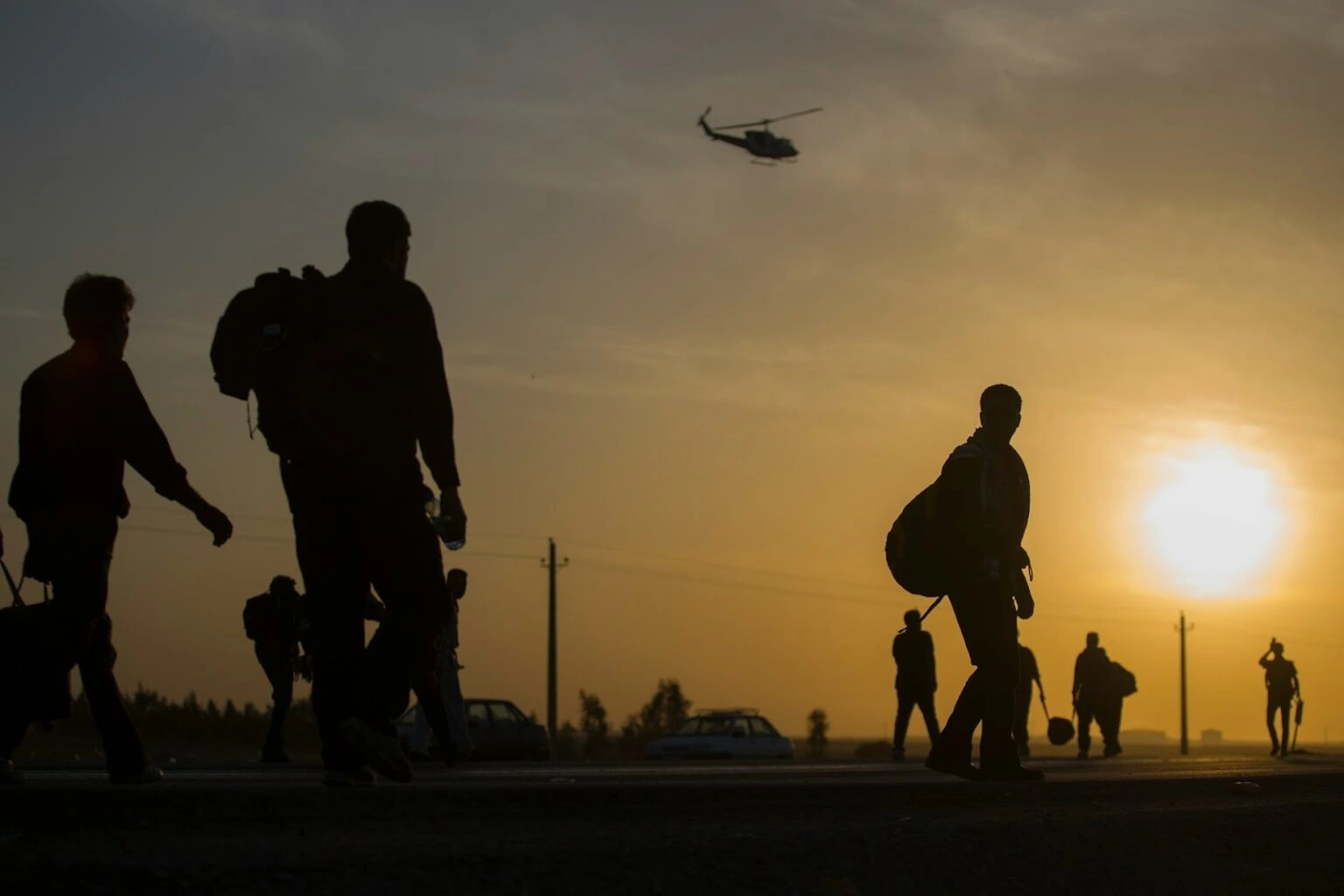
Armed Forces Day is observed annually on the third Saturday in May to recognize and honor those currently serving in the United States military. Unlike Veterans Day or Memorial Day, this observance focuses specifically on active-duty service members across all branches of service.
It’s a day set aside to acknowledge their ongoing commitment, responsibilities, and contributions to national security. Communities across the country participate in different ways, from small local gatherings to large public events. While the scale may vary, the purpose remains the same: to show appreciation for those who are actively serving.
Table of Contents
1. Wearing Support Loud and Proud
One of the most visible ways people show support on Armed Forces Day is through what they wear. At community events, it’s common to see individuals in patriotic clothing or items that represent a specific branch of the military. For example, someone might wear a Navy hat to signal support for sailors currently serving.
These small choices create a shared sense of recognition. Clothing and accessories act as simple, accessible ways for civilians to participate, even if they are not directly connected to the military.
2. Community Events and Parades
Many cities and towns mark Armed Forces Day with organized events such as parades, fairs, and public ceremonies. These gatherings often include participation from active-duty service members, military bands, and local organizations.
Parades may feature military vehicles, marching units, and coordinated displays that highlight different branches of service. In some areas, flyovers or demonstrations are included to showcase military capabilities. These events provide the public with an opportunity to see and interact with service members, making recognition more direct and personal.
3. Discounts and Special Perks for Active Duty
Businesses often take part in Armed Forces Day by offering discounts or special perks to active-duty service members. These offers can include reduced prices at restaurants, retail stores, and entertainment venues.
While these benefits are temporary, they offer practical value and are tangible forms of appreciation. Many companies use this opportunity to recognize service members in a way that is both visible and meaningful.
4. Public Recognition and Ceremonies
Official recognition is another key component of Armed Forces Day. Military bases, government organizations, and local institutions often host formal ceremonies that highlight the contributions of active service members.
These events may include speeches from leadership, award presentations, and public acknowledgments of individual or group achievements. In some cases, service members are recognized for specific accomplishments or milestones in their careers.
5. Social Media Tributes and Digital Appreciation
Armed Forces Day is widely recognized on social media. Individuals, organizations, and government accounts use the day to post messages of appreciation for active-duty service members. These posts often include photos, short videos, or written acknowledgments that highlight the role of those currently serving.
Hashtags related to Armed Forces Day help organize and amplify these messages, making them more visible to a broader audience. While digital appreciation is not a substitute for direct support, it increases awareness and reinforces public acknowledgment on a national scale.
6. Family and Community Support Initiatives
Support for active service members often extends to their families. Military life can involve frequent relocations, long periods of separation, and unique logistical challenges. On Armed Forces Day, some communities organize programs that assist military families, such as meal support, childcare services, or family-focused events.
Local organizations and nonprofits may also use the day to highlight ongoing needs and available resources. These efforts recognize that supporting active-duty personnel includes addressing the well-being of their immediate support systems.
7. Educational Opportunities and Awareness
Armed Forces Day also serves as an opportunity to educate the public about the responsibilities of active-duty service members. Schools, museums, and community groups may host informational sessions, exhibits, or presentations that explain the structure and function of different military branches.
These efforts help clarify what active service involves, including training requirements, deployment responsibilities, and daily operations. Increased awareness can lead to a more informed public and a deeper understanding of the military’s role in national and global contexts.
8. Volunteerism and Giving Back
Some individuals choose to mark Armed Forces Day by volunteering or contributing to organizations that support active-duty personnel. This can include donating to nonprofits, participating in care package programs, or assisting with local military-related events.
Volunteer efforts vary depending on community needs, but they often focus on providing practical assistance. For example, volunteers may help organize events on military bases or support programs designed for service members and their families.
Also Read : When Is Graduation for Semester Schools?
Turning One Day Into Ongoing Appreciation
Armed Forces Day provides a dedicated moment to recognize active-duty service members, but its impact need not be limited to a single day. The activities associated with observance, public recognition, community support, education, and volunteerism can continue throughout the year.
Ongoing awareness and consistent support help reinforce the importance of active service and ensure that those serving feel recognized beyond formal observances. By extending these efforts over time, communities can maintain a steady and meaningful level of appreciation.

