

Table of Contents
- Stress Relief and Anxiety Reduction
- Enhancing Mindfulness and Meditation
- Improving Focus and Cognitive Function
- Promoting Better Sleep
- Boosting Creativity and Self-Expression
- How to Get Started with Adult Coloring
- Final Thoughts
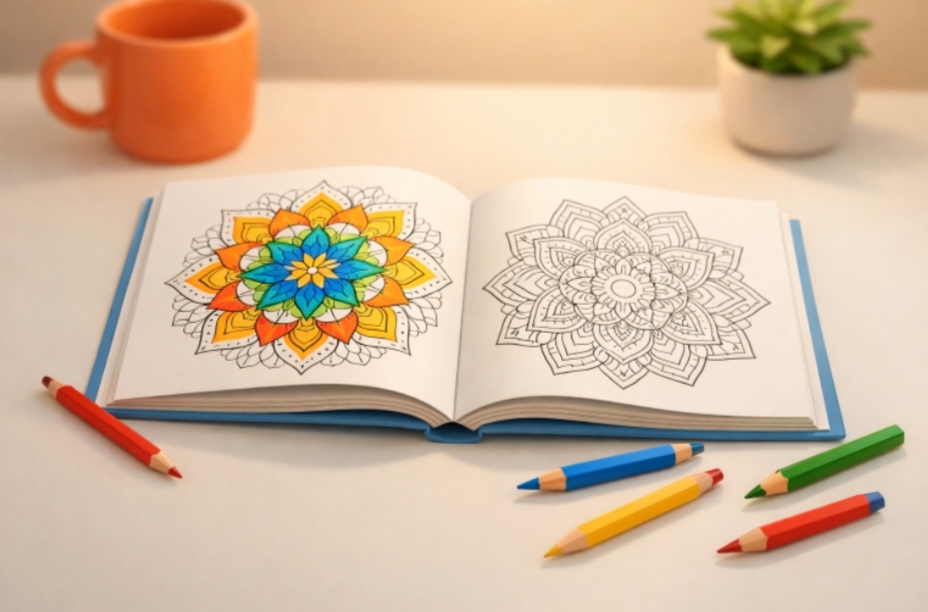
Coloring is no longer seen as an activity just for children. In recent years, more adults have started embracing coloring as a relaxing and restorative pastime. The simple act of adding color to intricate designs can offer calming, meditative benefits. It also opens up new ways to manage stress in your day-to-day life. One reason this trend has endured is the wide variety of coloring books specifically designed for adults, which offer detailed patterns suited for mindfulness and creativity.
Whether you are looking to de-stress after a long day or searching for a new hobby, incorporating coloring into your routine can have a powerful impact on your well-being. Even those who do not consider themselves artistic can benefit from this accessible, enjoyable activity. Coloring can serve as an escape from screens, reduce anxious thoughts, and provide an outlet for creativity and self-expression. These advantages make it an excellent addition to any self-care toolkit, offering a screen-free, meditative ritual that helps cultivate inner calm and relaxation.
Stress Relief and Anxiety Reduction
Coloring can function as a powerful tool for calming the mind and alleviating anxiety after a stressful day. Focusing on the simple, repetitive action of coloring allows people to let go of intrusive thoughts. It also helps redirect attention toward something manageable and creative. As the Cleveland Clinic highlights, adult coloring can quiet the mind and ease physical tension, making it a gentle yet effective way to cope with stress.
Enhancing Mindfulness and Meditation
Mindfulness is all about living in the moment and paying full attention to what you are doing. Coloring requires intentional focus, which naturally fosters a meditative state. For adults with busy minds or routines, coloring presents a straightforward entry point into mindfulness. The deliberate act of selecting colors and focusing on the present pattern can lead to a calming, almost trance-like experience similar to traditional meditation sessions. This can have lasting impacts on mental health by training the brain to slow down and appreciate the moment.
Improving Focus and Cognitive Function
Coloring utilizes both sides of the brain simultaneously. The left side processes logic to stay within the lines, while the right side engages in creative color choices. This combination helps improve focus, decision-making, and overall cognitive flexibility. A Healthline feature notes that coloring can strengthen fine motor coordination and stimulate brain areas involved in problem-solving and organizational skills. As a result, routine coloring can help keep the brain sharp, especially as we age.
Promoting Better Sleep
Evening coloring is an ideal way to transition from daytime busyness to restful sleep. Unlike using phones or computers, which expose the eyes to blue light and disrupt melatonin production, coloring acts as a soothing bedtime ritual without interfering with natural sleep cycles. Spending even a few minutes coloring before bed can help relax the mind and signal to the body that it is time to wind down, making it easier to fall asleep and stay asleep through the night.
Boosting Creativity and Self-Expression
Coloring for adults is more than filling in spaces with color. It offers endless opportunities for creativity and self-discovery. Choosing unique combinations and experimenting with shading techniques can be deeply fulfilling, especially for those who do not usually engage in creative pursuits. While art therapy is led by professionals, coloring independently can still foster emotional release and self-understanding. By focusing on the process and enjoying free-form exploration, adults can unlock new facets of their creativity.
How to Get Started with Adult Coloring
Choose the Right Tools
Begin by selecting a coloring book or printable sheets that interest you. Some enjoy mandalas, intricate floral designs, or themed books based on nature or travel. When it comes to tools, high-quality colored pencils, fine-tip markers, or classic crayons work best. Each medium offers a unique texture and effect, so choose the one that feels most comfortable and enjoyable to you.
Create a Routine
Set aside a specific time for coloring, whether a few minutes during lunch or at the end of the workday. Creating a dedicated routine helps strengthen the habit and maximizes its relaxing benefits. Make your coloring sessions part of your self-care plan, turning the activity into a rewarding ritual.
Design Your Space
Find a quiet, well-lit area where you can fully immerse yourself in coloring. Some adults like to listen to calming music or light a scented candle to enhance the experience. Reducing outside distractions allows for deeper focus and greater relaxation.
Focus on the Journey
Resist the urge to color perfectly or aim for a specific outcome. Embrace imperfections and simply enjoy the act of creation. Coloring should remain a judgment-free, pressure-free zone that supports mindfulness, relaxation, and authentic self-expression throughout the process.
Final Thoughts
Coloring is a simple, accessible activity that holds remarkable benefits for adults of all ages. From easing anxiety and fostering mindfulness to improving sleep and cognitive function, the advantages span both mind and body. Coloring can be seamlessly woven into any lifestyle, regardless of artistic skill level. Embrace this fun, nostalgic, and therapeutic hobby to boost your well-being and add more creativity to your daily routine.

