

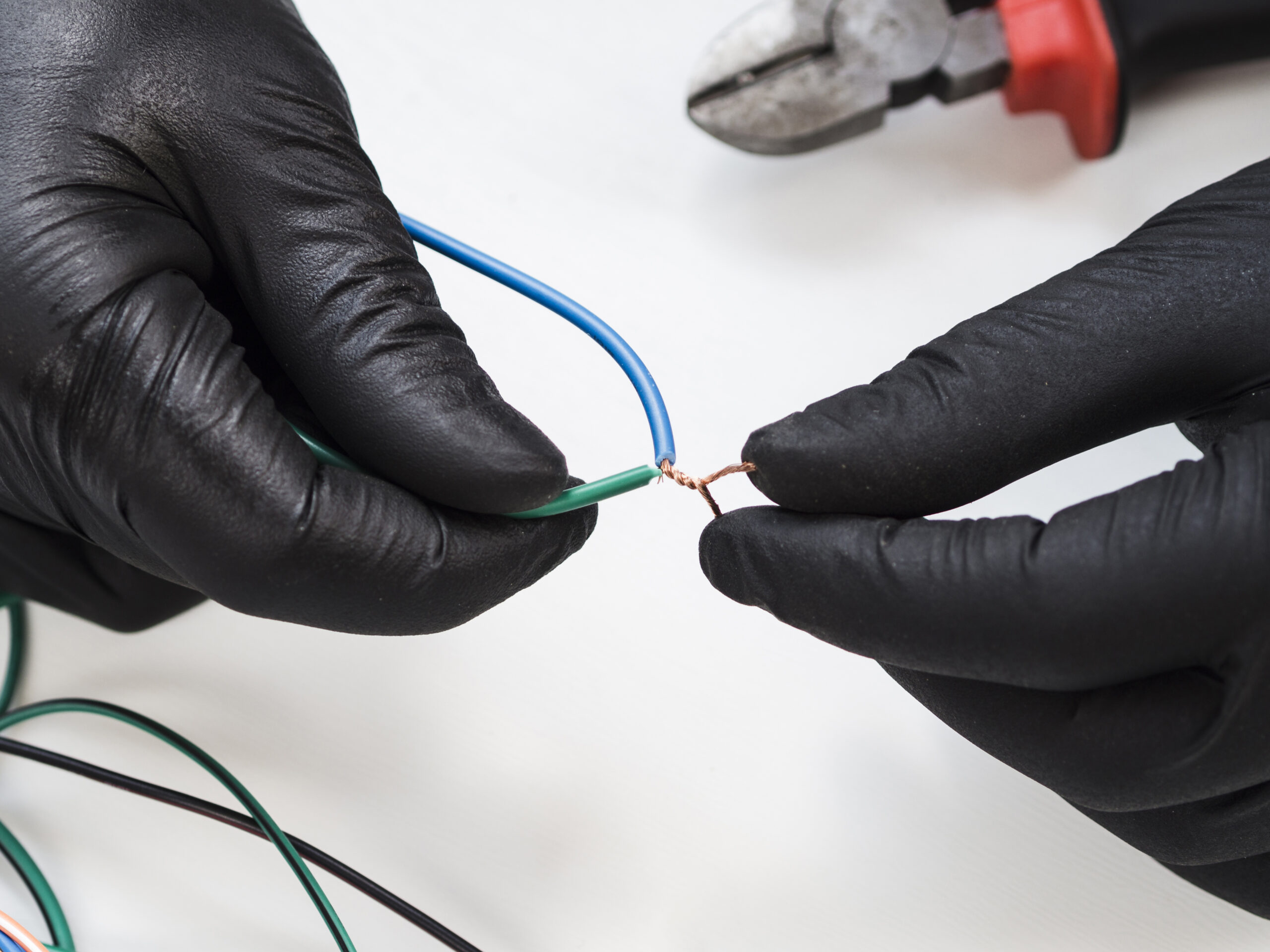
Electricians diagnose wiring problems using specialized tools and systematic testing methods. They check voltage levels, test circuit continuity, and inspect connections for damage.
This process identifies the exact problem location and cause.
Wiring problems create safety hazards in your home. Faulty wiring causes over 50,000 house fires each year. Most homeowners can’t see problems until something stops working or sparks fly.
Professional Electrician Fort Collins knows how to find hidden issues. They follow specific steps to locate problems safely and efficiently.
Understanding how electricians work helps you know what to expect during service calls. It also shows why professional diagnosis beats guessing or DIY troubleshooting. Electrical work requires proper training and tools to stay safe.
Tools Electricians Use
Multimeters
A multimeter measures voltage, current, and resistance. This tool is essential for electrical diagnosis. Electricians check if power reaches specific points in circuits.
The multimeter shows exact voltage readings. Normal outlets should read 110 to 120 volts. Lower readings indicate voltage drops or connection problems. No reading means power isn’t reaching that point.
Resistance testing finds broken wires and poor connections. High resistance means current struggles to flow. This creates heat and potential fire hazards.
Circuit Testers
Simple circuit testers check if outlets work correctly. They plug into standard outlets and show if the wiring is proper. Lights on the tester indicate correct or incorrect wiring.
These testers catch reversed polarity quickly. Reversed hot and neutral wires create shock hazards. The tester shows this problem immediately without detailed testing.
GFCI testers check ground fault protection. They simulate ground faults to verify that the outlet trips properly. This ensures safety features work when needed.
Thermal Imaging Cameras
Infrared cameras see heat that eyes can’t detect. Hot spots in walls indicate problem areas. Overloaded circuits and poor connections create excessive heat.
Electricians scan panels and walls with these cameras. Bright spots on the screen show trouble locations. This finds problems before they cause fires.
The cameras cost thousands of dollars. Most homeowners don’t own them. Professional electricians invest in this equipment for thorough diagnosis.
Wire Tracers
Wire tracers locate specific wires behind walls. They send signals through wires that a receiver detects. This helps electricians find circuits without tearing apart walls.
The tool consists of a transmitter and receiver. The transmitter connects to the wire at one end. The receiver picks up the signal and shows the wire location.
This saves time and prevents unnecessary damage. Electricians find exactly where wires run before cutting into walls.
Voltage Detectors
Non-contact voltage detectors sense electrical current without touching wires. They beep or light up near live wires. This provides quick safety checks.
Electricians use these constantly during work. They verify power is off before touching wires. This prevents shocks and injuries.
The detectors work through insulation and drywall. They sense voltage in wires you can’t see. This adds an extra safety layer during diagnosis.
The Diagnostic Process
Initial Interview
Electricians start by asking questions. They want to know what symptoms you’ve noticed. When did problems start? Which outlets or lights are affected?
This information guides their investigation. Knowing the problem history helps identify likely causes. Similar symptoms often point to specific issues.
They ask about recent changes, too. New appliances or renovations sometimes create problems. Understanding what changed helps narrow down causes.
Visual Inspection
The electrician looks at panels, outlets, and fixtures. They check for obvious problems like burn marks, corrosion, or loose wires. Many issues show visible signs.
Electrical panels get a close examination. Breakers should sit firmly in place. Wires should connect tightly to terminals. Any loose connections get noted.
Outlets and switches are removed from boxes for inspection. The electrician checks wire connections and conditions. Overheating creates the discoloration they look for.
Testing Circuits
The electrician tests voltage at multiple points. They start at the panel and work outward. This systematic approach finds where power stops flowing.
If the voltage reads correctly at the panel but not at an outlet, the problem lies between them. The electrician then tests junction boxes and switches along the circuit.
They test both hot and neutral wires. Problems can exist in either one. Complete testing ensures accurate diagnosis.
Load Testing
Some problems only appear under load. The electrician connects devices that draw power. This reveals issues that hide when circuits are empty.
Dimming lights or tripping breakers under load indicate specific problems. Undersized wires or poor connections can’t handle the current. The electrician measures the voltage drop under these conditions.
This testing shows circuit capacity issues. You might have too many devices on one circuit. The electrician calculates the total load and compares it to the circuit rating.
Continuity Testing
With the power off, electricians test wire continuity. This confirms the wires are complete with no breaks. A broken wire shows infinite resistance on the multimeter.
They test from one end of the circuit to the other. Good wires show low resistance. High or infinite resistance means a break exists somewhere.
This testing locates specific breakpoints. The electrician narrows down the problem area through elimination. They test sections until finding the fault.
Common Wiring Problems
Loose Connections
Wire connections loosen over time from heat cycles and vibration. Loose connections create resistance and heat. This leads to sparking and potential fires.
Electricians find these by checking all connection points. They look for discolored wires or terminals. Scorch marks indicate loose connections created heat.
Tightening connections fixes most of these issues. Sometimes damaged terminals need replacement. The electrician ensures all connections are secure.
Damaged Insulation
Wire insulation breaks down from age, heat, or physical damage. Exposed wires create shock and fire hazards. Rodents sometimes chew through insulation.
Visual inspection reveals most insulation damage. The electrician looks for cracks, brittleness, or missing sections. Any exposed copper means problems exist.
Damaged sections need replacement. The electrician cuts out the bad wire and installs new sections. Proper splicing ensures safe, lasting repairs.
Overloaded Circuits
Too many devices on one circuit cause overheating. Breakers trip repeatedly. Lights dim when appliances run. These symptoms point to overload issues.
Electricians calculate the actual circuit load. They add up all device requirements. If the total exceeds circuit capacity, overload exists.
The solution involves adding circuits or redistributing loads. The electrician determines the best approach based on your panel capacity and needs.
Aluminum Wiring
Homes built in the 1960s and 70s often have aluminum wiring. This material expands and contracts differently than copper. Connections that loosen over time create fire risks.
Electricians recognize aluminum wiring by its silver color. They check all connections extra carefully. Special connectors rated for aluminum are required.
Many electricians recommend replacing aluminum wiring entirely. This eliminates future problems. At a minimum, all connections need proper aluminum-rated connectors.
Ground Faults
Ground faults send current where it shouldn’t go. This creates shock hazards and can damage equipment. GFCI outlets should trip, but sometimes don’t.
Testing reveals ground fault locations. The electrician checks continuity between hot wires and ground. Any connection between them indicates a fault.
Finding the exact fault location takes systematic testing. The electrician isolates sections until locating the problem. Damaged wire or equipment usually causes these faults.
Safety During Diagnosis
Power Shutoff Procedures
Electricians shut off power before working on circuits. They turn off breakers and verify power is dead. Multiple tests confirm that no voltage exists.
They lock out breakers when possible. This prevents someone from turning power back on during work. Safety tags warn others not to restore power.
Even with the power off, electricians treat all wires as live. They use proper safety equipment. This habit prevents accidents from mislabeled breakers or backfed circuits.
Personal Protective Equipment
Electricians wear safety glasses during all work. Flying sparks or debris can damage eyes. Glasses provide essential protection.
Insulated gloves protect from shocks. Even when the power should be off, gloves add safety. They’re rated for specific voltage levels.
Flame-resistant clothing prevents burns. Electrical arcs create extreme heat. Proper clothing reduces injury risk if arcs occur.
Testing Before Touching
Non-contact voltage detectors verify wires are dead. Electricians test wires before and after turning off power. This catches mislabeled circuits or backfeeding issues.
They use the detector on known live circuits first. This confirms the detector works properly. Then they trust its readings on circuits they’re working on.
This simple step prevents most electrical accidents. Making it a habit ensures consistent safety.
When Problems Need Professional Diagnosis
Flickering Lights
Occasional flickering might mean loose bulbs. Constant flickering indicates wiring problems. Multiple lights flickering together suggest circuit issues.
Electricians test voltage and connections. They determine if the problem is in your home or the utility supply. Professional diagnosis identifies the real cause.
DIY troubleshooting of flickering lights risks shocks. The problem often lies in panels or junction boxes. These require professional handling.
Frequent Breaker Trips
Breakers trip to protect circuits from overload. Occasional trips after running many devices are normal. Frequent trips without an obvious cause need investigation.
The electrician tests the breaker itself first. Failed breakers trip without actual overloads. They also check for short circuits and ground faults.
Circuit load testing shows if you’re exceeding capacity. The solution might be adding circuits or upgrading the panel.
Burning Smells
A burning plastic or wire smell means serious problems exist. This indicates overheating somewhere in your system. Fire risk is immediate and real.
Shut off the power and call an electrician immediately. Don’t try to find the problem yourself. Electricians have tools to locate hot spots safely.
They use thermal cameras to scan your system. This finds overheating before you see smoke or flames. Quick professional response prevents fires.
Dead Outlets
One dead outlet might mean a tripped GFCI upstream. Multiple dead outlets suggest bigger problems. The electrician traces the circuit to find breaks.
Outlets fail from age, damage, or poor connections. Testing determines the exact cause. Sometimes outlet replacement fixes it. Other times, wiring repairs are needed.
Don’t use dead outlets, even if some still work. The problem might spread or create hazards. Geta professional diagnosis and repair.
Shocking Experiences
Any shock from outlets or switches needs immediate attention. This means improper grounding or damaged insulation. Shock hazards can be deadly.
Electricians test grounding systems thoroughly. They verify all outlets have proper ground connections. They check for damaged wires that touch metal boxes or covers.
Never ignore shocks, even small ones. The next shock might be lethal. Professional diagnosis ensures your safety.
DIY Limitations
When to Stop
Homeowners can safely replace light fixtures and outlets with the power off. Beyond these simple tasks, professional help becomes necessary. Circuit diagnosis requires specialized knowledge and tools.
If you’re unsure about any electrical work, stop. Call a professional instead. The cost of service beats hospital bills or fire damage.
Electrical codes exist for safety reasons. Professionals know these codes. DIY work might create code violations that cause insurance or resale problems.
Why Professionals Matter
Licensed electricians complete years of training. They understand electrical theory and practical application. This knowledge prevents dangerous mistakes.
They carry proper insurance. If something goes wrong during their work, insurance covers damages. Your DIY accidents come from your pocket.
Professional diagnosis saves money long-term. Finding the real problem prevents repeated service calls. Guessing at fixes often makes problems worse.
Preventing Wiring Problems
Regular Inspections
Have electricians inspect your system every few years. They catch developing problems early. Small issues are cheaper to fix than major failures.
Older homes need more frequent inspections. Wiring deteriorates over time. Regular checks ensure everything remains safe.
Inspections before buying homes are crucial. Hidden electrical problems cost thousands to repair. Professional inspection reveals these before you buy.
Upgrade Old Systems
Homes over 40 years old often need electrical upgrades. Modern appliances and devices demand more power. Old systems struggle with current needs.
Upgrading prevents problems before they start. New wiring and panels handle loads safely. This protects your home and family.
The investment pays through safety and functionality. You get peace of mind knowing your system is reliable.
Address Issues Promptly
Small electrical problems become big ones fast. Loose connections create heat that damages more components. What starts as flickering becomes a fire.
Call electricians when you notice anything unusual. Early repair costs less than emergency service. Prevention beats reaction every time.
Finding Qualified Electricians
Look for licensed professionals with good reviews. Check their credentials and insurance. Ask for references from past customers.
Get estimates from multiple electricians. Compare not just price but also their diagnostic approach. Thorough electricians explain their process clearly.
Emergency electricians cost more but respond quickly. Keep contact information handy for urgent situations. Regular electricians work for non-emergency issues.
Understanding electrical diagnosis helps you work better with professionals. You know what they’re doing and why it matters. This knowledge keeps your home safe and your electrical system reliable.

