

Key Takeaways
- Mindfulness practices can significantly reduce symptoms of stress, anxiety, and depression.
- Regular mindfulness supports improved focus, emotional regulation, and decision-making.
- Simple integration of mindfulness into daily activities strengthens overall mental well-being.
Table of Contents
- Understanding Mindfulness
- Benefits of Mindfulness on Mental Health
- Mindfulness in Daily Life
- Mindfulness in the Workplace
- Mindfulness for Children and Adolescents
- Scientific Evidence Supporting Mindfulness
- Getting Started with Mindfulness
- Conclusion
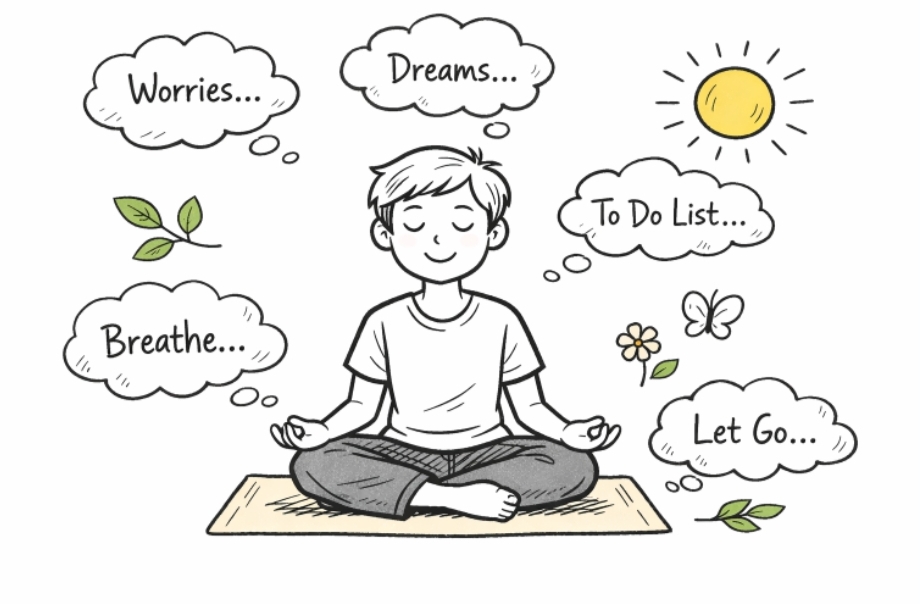
Mindfulness, the practice of being fully present and engaged with your thoughts, emotions, and surroundings, has rapidly grown in popularity as a method for bolstering mental wellness. This approach involves a conscious effort to bring your attention to the present moment, which can help break cycles of stress, anxiety, and negative thinking. By learning to observe thoughts and feelings without immediate reaction or judgment, individuals give themselves space to respond more thoughtfully to stressors.
Integrating mindfulness techniques into daily routines has been linked to a wide spectrum of positive outcomes, including reduced stress and improved mood. Mental health clinics and behavioral health organizations, such as Brook Behavioral Health, are increasingly recommending mindfulness as a supportive strategy alongside traditional therapies for mental health. Whether someone is managing chronic anxiety or simply striving to cultivate greater balance in their life, mindfulness offers practical skills that are accessible to everyone.
Practicing mindfulness does not require any special equipment or extensive time commitments. Whether it is through meditation, mindful breathing, or simply paying closer attention to everyday tasks, the goal remains the same: to foster a greater sense of awareness and acceptance. By returning attention to the present, individuals often find greater resilience and emotional well-being even in the midst of life’s challenges.
There is a growing body of research and anecdotal evidence supporting the benefits of mindfulness for a diverse range of populations. Resources from organizations like the American Psychological Association further explain how mindfulness-based interventions are becoming an important part of mental health care approaches. As interest in mindfulness continues to expand, more people are discovering how these simple, effective techniques can foster lifelong mental wellness.
Understanding Mindfulness
At its core, mindfulness is about intentionally focusing on the present moment while accepting it without judgment. This means observing your internal experiences, such as thoughts, feelings, and physical sensations, without immediately reacting to them. Mindfulness is rooted in ancient contemplative traditions but has been adapted and studied extensively in modern psychological practices.
Benefits of Mindfulness on Mental Health
Clinical research increasingly supports the role of mindfulness in alleviating common mental health challenges. Here are some key benefits:
- Stress Reduction: Mindfulness meditation activates the parasympathetic nervous system, which can lower cortisol levels and induce relaxation, helping people manage stress more effectively.
- Improved Emotional Regulation: By observing emotions as temporary events, individuals are less likely to become overwhelmed, and over time, can manage anxiety and mood swings better.
- Enhanced Cognitive Function: Studies show mindfulness can sharpen attention, improve memory, and support healthier decision-making by reducing habitual negative thinking patterns.
Mindfulness in Daily Life
Practicing mindfulness does not have to be confined to meditation cushions or yoga studios. Every day moments offer valuable opportunities to cultivate a mindful awareness:
- Mindful Breathing: Taking just a few minutes to focus on the rhythm of your breath can restore calm and recenter your mind.
- Mindful Eating: Savoring each bite, paying attention to flavors and textures, can help foster a more positive relationship with food and prevent overeating.
- Mindful Walking: Noticing the sensation of your feet making contact with the ground and the environment around you can help counteract autopilot behavior throughout the day.
Mindfulness in the Workplace
Workplaces are environments ripe for stress, yet mindfulness can serve as a powerful antidote. Brief mindfulness practices, such as breathing exercises or one-minute meditations during breaks, can enhance productivity, boost morale, and reduce staff burnout. Even newcomers to meditation can benefit from these short practices at their desks or during meetings. According to reporting by the Associated Press, effective mindfulness tools do not require special rituals and can be adapted to almost any workplace setting.
Mindfulness for Children and Adolescents
Introducing mindfulness at a young age helps children and teens manage academic stress, build attention skills, and develop emotional intelligence. For instance, one MIT study found that children using a mindfulness app for several weeks experienced not only reduced stress but also decreased feelings of loneliness and fear. Mindfulness can be woven into classroom routines or included in after-school programs to support developing minds. Evidence suggests that regular practice can help children build resilience and greater self-awareness as they grow.
Scientific Evidence Supporting Mindfulness
Numerous research studies back the effectiveness of mindfulness practices. One study highlighted in the Harvard Health Publishing found that a daily 10-minute mindfulness practice could decrease symptoms of depression and anxiety while inspiring healthier lifestyle choices. This growing evidence base affirms mindfulness as an effective strategy for both clinical mental health care and personal wellness.
Getting Started with Mindfulness
Starting your mindfulness journey is simple and approachable. Here are some essential steps to follow:
- Start Small: Begin with short sessions, like five minutes a day, focusing on mindful breath or gentle body scans.
- Use Guided Resources: Make use of mindfulness apps, podcasts, or online guided meditations to provide structure and support.
- Stay Consistent: Set aside a specific time each day to establish the habit, whether it is in the morning, during lunch, or before bed.
- Practice Patience: Mindfulness is a lifelong skill. Allow yourself time to develop it gradually and expect occasional challenges along the way.
Conclusion
Mindfulness offers valuable tools for improving emotional health and resilience in a fast-paced world. Its techniques are accessible and adaptable, making them suitable for diverse lifestyles and ages. By fostering self-awareness, enhancing emotional balance, and supporting mental well-being, mindfulness stands out as a vital component of a proactive mental health strategy. As ongoing research and workplace integration efforts continue to expand, mindfulness is likely to remain a key element in promoting lifelong mental wellness.

