

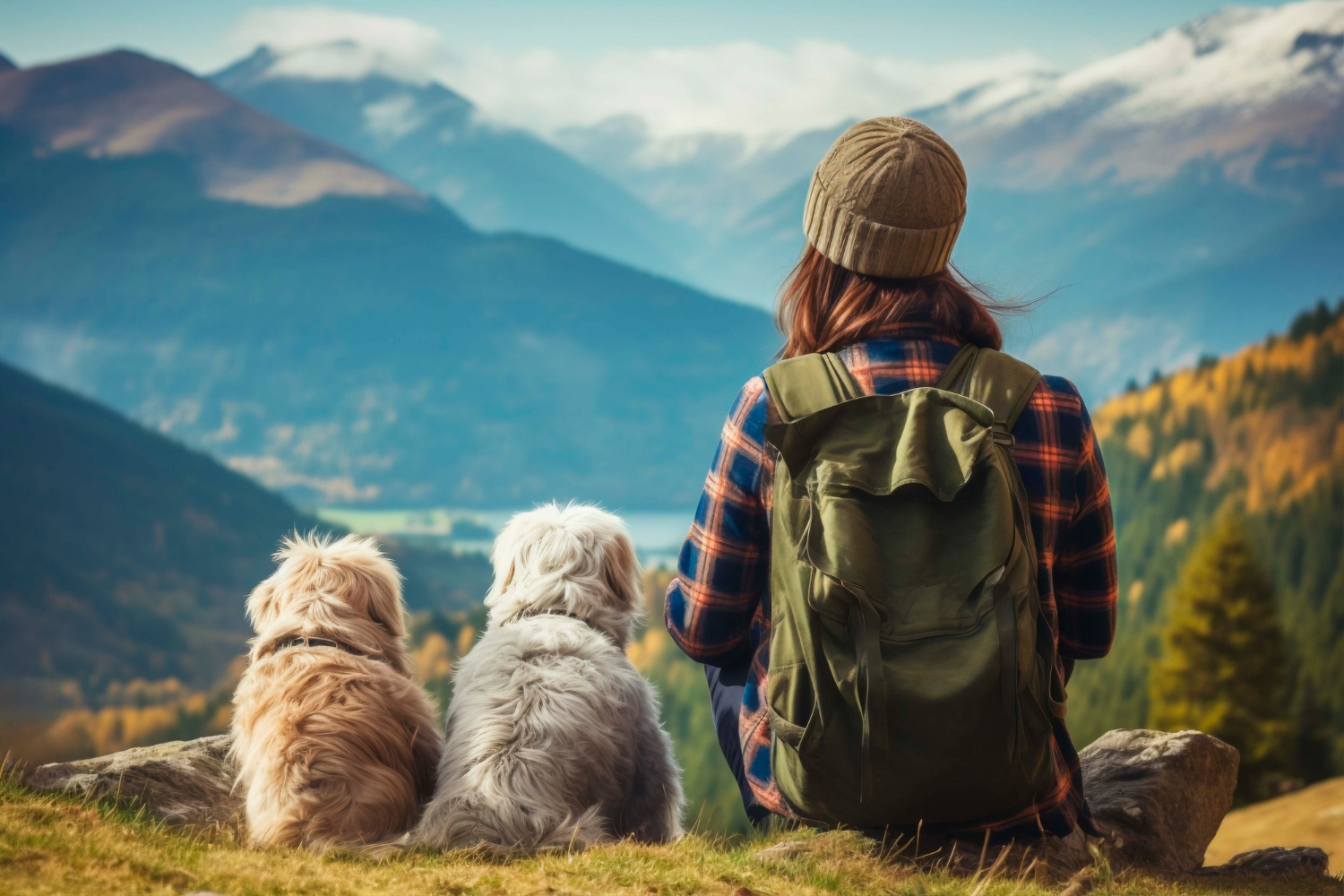
There’s something special about watching your dog’s tail wag with pure excitement as you lace up your hiking boots. That moment when they realize you’re both heading outdoors together creates a bond that transforms an ordinary hike into something truly memorable. For many pet owners, leaving their four-legged companions behind while exploring nature feels wrong—and honestly, it doesn’t have to be that way.
The good news? More trails than ever welcome dogs, and planning a trip around dog friendly hiking trails has become easier and more rewarding. Whether you’re a seasoned hiker or just starting, bringing your pup along adds a whole new dimension to outdoor exploration. They experience the world differently than we do, finding joy in every scent and sound, which often helps us slow down and appreciate our surroundings in ways we might otherwise miss.
Table of Contents
Why Choose Dog-Friendly Hiking Trails for Your Next Trip
Planning your vacation around trails that welcome dogs isn’t just about convenience—it’s about creating experiences you’ll both remember. Dogs need exercise and mental stimulation just as much as we do, and hitting the trails together satisfies those needs while strengthening your relationship.
When you opt for dog-friendly hiking trails, you’re choosing destinations that understand pets are family. These places typically offer better infrastructure, including waste stations, water sources, and clear guidelines that make everyone’s experience better. You won’t have to worry about sneaking your dog past disapproving signs or feeling anxious about breaking rules.
Beyond the practical benefits, hiking with your dog encourages you to get outside more often. It’s easy to put off that weekend getaway, but knowing your pup is counting on you for that trail time provides the motivation many of us need. Plus, watching your dog make friends with other trail dogs creates impromptu social moments that solo hiking simply can’t match.
How to Find Dog-Friendly Hiking Trails That Suit Your Needs
Finding the right trails takes a bit of research, but the effort pays off when you arrive at a location perfectly suited for both you and your pet.
Start with Online Trail Databases
Several websites specialize in cataloging trails with detailed pet policies. Sites like AllTrails, BringFido, and local forest service websites provide filters specifically for dog-friendly options.
These platforms usually include reviews from other dog owners, giving you real insights into what to expect. When you know how to find dog-friendly hiking trails through these resources, you can quickly narrow down options based on difficulty level, length, and amenities.
I’ve found that reading through recent reviews helps a ton. Other dog owners will mention things like whether the trail gets crowded, if there’s actual shade (not just what the map promises), and whether their dog had a good time. Those details matter way more than official descriptions sometimes.
Check with Local Visitor Centers
Once you’ve identified a general area for your trip, contact local visitor centers or ranger stations directly. Staff members can provide current information about trail conditions, leash requirements, and any temporary closures that might not appear online yet. They often know hidden gems that don’t show up in standard searches.
Read the Fine Print on Trail Regulations
Not all trails market themselves clearly regarding pets. Some allow dogs only on certain sections or during specific seasons. Understanding these nuances helps you avoid disappointment. When learning how to find dog-friendly hiking trails, always verify the leash policy—some trails require six-foot leashes while others permit voice control in designated areas.
Essential Preparations Before Hitting the Trail
Pack the Right Gear
Your dog needs their own hiking essentials:
- Water and collapsible bowl – Many trails lack reliable water sources, so bring enough for the entire hike, plus extra for emergencies. My rule of thumb is to pack more water than I think we’ll need because dogs drink way more when they’re active
- Waste bags and first-aid supplies – Always pack out what your dog leaves behind, and include tweezers for removing ticks or splinters, along with any regular medications. Trust me, you don’t want to be caught without these
- Appropriate leash – A longer leash or training lead gives them room to explore while keeping them under control, though check specific trail requirements first. Some trails are strict about the six-foot maximum
- Protective booties – Consider paw protection for rocky or hot terrain, especially if your dog isn’t accustomed to rough surfaces. Yes, your dog might look silly at first, but their paws will thank you
Assess Your Dog’s Fitness Level
Be honest about your dog’s physical condition. That ten-mile mountain trail might seem doable, but if your dog typically walks around the block twice daily, they’re not ready for intense terrain. Start with shorter, easier trails and build up gradually. Older dogs or breeds with short snouts need extra consideration since they tire more quickly and can overheat.
I learned this the hard way with my own dog. We attempted a trail that was definitely too ambitious for his fitness level, and he was sore for days afterward. Now I’m much more realistic about what he can handle.
Verify Vaccination and ID Requirements
Make sure your dog’s vaccinations are current, particularly for rabies and Bordetella. Bring copies of vaccination records, especially when crossing state lines or visiting national parks. Double-check that ID tags are secure and consider a GPS collar for added security on unfamiliar trails.
What Makes a Trail Truly Dog-Friendly
When selecting dog friendly hiking trails, certain features indicate a genuinely welcoming environment versus trails that merely tolerate pets.
Look for trails with moderate terrain that won’t be too harsh on paw pads. Rocky or extremely steep paths can injure dogs who aren’t accustomed to rugged ground. Natural shade coverage matters too, as overheating poses serious risks, especially during warmer months.
Water access along the trail is another important consideration. Streams or lakes where dogs can cool off and drink make longer hikes more manageable. Just remember to bring a water filter or purification tablets if you’re relying on natural sources. Not all streams are as clean as they look.
Key indicators of truly dog-friendly trails include:
- Designated pet waste stations – Conveniently placed bags and disposal bins show the trail management takes pet visitors seriously. It’s such a relief when these are available
- Clear and visible signage – Posted rules about leash requirements, restricted areas, and pet etiquette help everyone stay informed. No guessing games about what’s allowed
- Adequate parking facilities – Spaces that accommodate vehicles with crated dogs and shaded areas for pre-hike preparations. Because nobody wants to leave their dog in a hot car while they figure out the trail map
Training Tips for a Successful Trail Experience
Even well-behaved dogs benefit from trail-specific training before a big trip. Practice recall commands in distracting environments—parks with other people and dogs work well for this. Your dog needs to respond to “come” reliably when they spot wildlife or other hikers.
Teach your dog to move aside when faster hikers or mountain bikers approach. A simple “side” command where they step off the trail and wait lets others pass safely. This courtesy makes everyone’s experience better and reflects well on all dog owners. Plus, other hikers really appreciate it.
Gradually increase the distance and difficulty of your practice hikes. This builds your dog’s endurance while helping you understand their limits and behavior patterns on different terrain types. You’ll start to notice their quirks—like maybe they slow down on downhill sections or need more breaks in hot weather.
Making the Most of Your Dog-Friendly Hiking Trip
Once you’re on the trail, stay aware of your dog’s condition. Watch for signs of fatigue like excessive panting, slowing down, or lying down frequently. Check their paws periodically for cuts or embedded debris, especially on rocky trails. A quick paw check at rest stops can prevent bigger problems later.
Respect wildlife and other hikers by keeping your dog close during encounters. Even friendly dogs can disrupt wildlife or make other people uncomfortable. When learning how to find dog-friendly hiking trails, remember that being a responsible dog owner ensures these trails remain open to pets in the future. We all want to keep these spaces accessible.
Trail etiquette basics every dog owner should follow:
- Keep your dog on the designated leash length – Even if your dog has excellent recall, leash rules exist for everyone’s safety and comfort. Some people are afraid of dogs, and that’s okay
- Yield to other trail users – Step aside for horses, uphill hikers, and larger groups, keeping your dog calm and controlled. Horses can spook easily, so give them plenty of space
- Leave no trace – Pack out all waste, stay on marked trails, and don’t let your dog chase wildlife or disturb natural habitats. It’s pretty simple, but it makes a huge difference
- Monitor interactions – Not everyone loves dogs, so ask before allowing your pet to approach other hikers or their dogs. A quick “Is it okay if my dog says hi?” goes a long way
Capture moments without obsessing over documentation. Sure, take photos of your dog enjoying the views, but don’t spend the whole hike behind a camera screen. The real magic happens in those quiet moments when you’re both present in nature together. Those memories stick with you more than any photo ever could.
Also Read: What Makes Fries Seasoning the Ultimate Party Addition?
Final Thoughts
Choosing dog-friendly hiking trails for your next trip opens up a world of outdoor possibilities that include your closest companion. With proper preparation and consideration, these experiences create lasting memories while keeping both of you healthy and happy.
The key is finding trails that match your abilities, respecting the rules that keep these spaces accessible, and simply enjoying time together in nature. Your dog doesn’t care if you picked the most famous trail or the most scenic view—they just want to be with you, exploring something new.

