

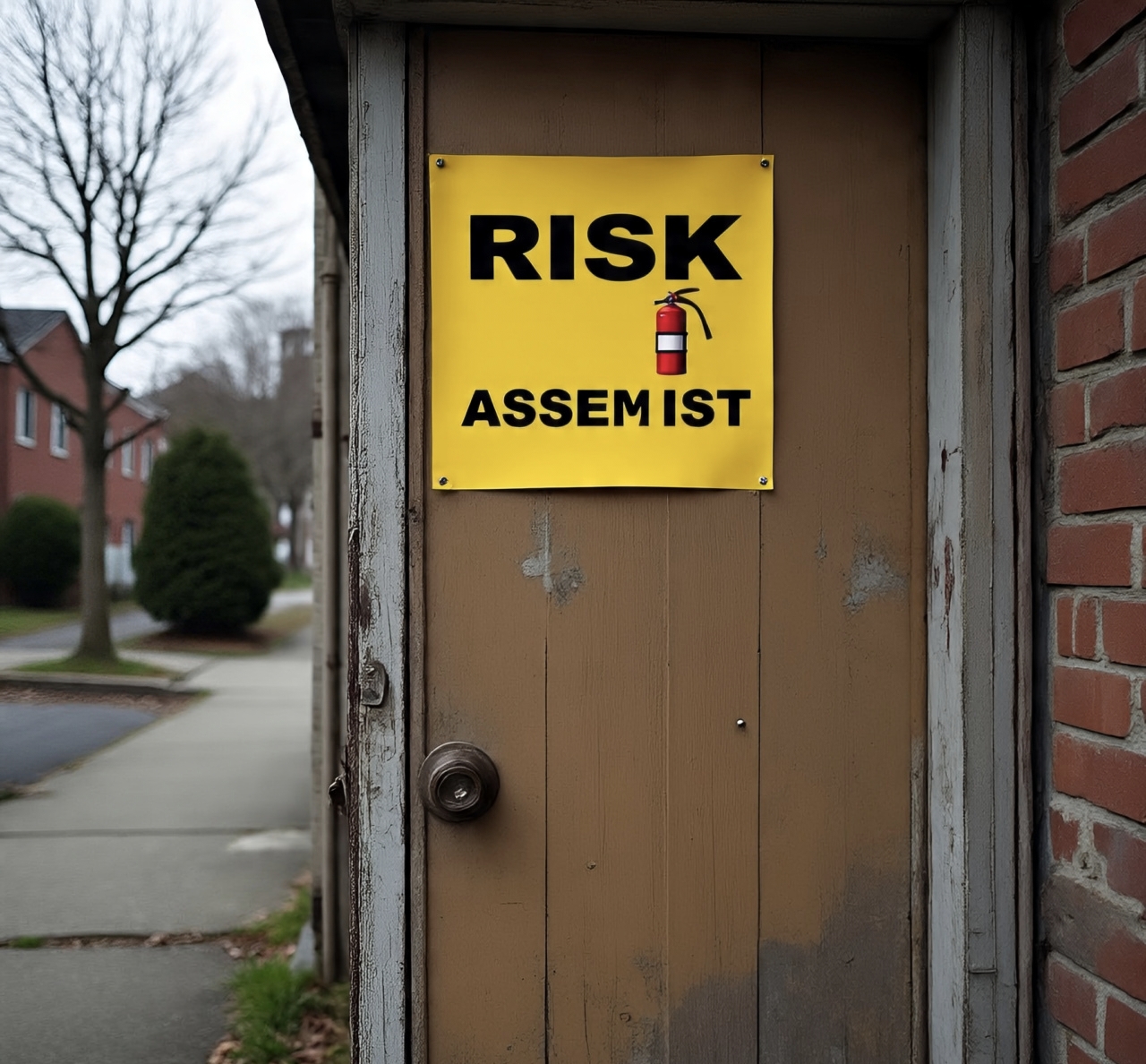
Regular Property Inspections
Regular property inspections are key for keeping vacant properties safe and sound. They help spot problems early, before they get big and costly.
- Check all doors and windows to make sure they’re locked and secure.
- Look for signs of forced entry, like broken locks or windows.
- Inspect the roof for leaks or damage.
- Walk around the property to see if there’s any vandalism or graffiti.
- Test smoke alarms and security systems to ensure they work well.
- Look for fire hazards, such as piled-up trash or flammable materials left around.
- Check the plumbing for leaks or signs of water damage.
- Make sure the lawn is cut and the yard looks cared for, so it doesn’t seem empty.
- Take pictures of everything during each visit to keep a record of the property’s condition.
- Keep an eye out for pests like rats, insects, or any other unwelcome guests.
Doing these steps regularly helps manage risks in vacant properties efficiently.
Strengthen Security Measures
Thieves often target empty homes. Setting up strong security helps stop break-ins and keeps your property safe.
Many homeowners undertake remodeling home projects to enhance the property’s appeal and value, even when it is vacant.
Secure all entry points with locks or reinforcements
Securing all entry points is vital for keeping vacant properties safe. Locks and reinforcements prevent unauthorized access.
- Install deadbolt locks on all exterior doors; they are stronger and offer more protection than standard locks.
- Add slide bolts or security bars on sliding doors to prevent them from being forced open.
- Use window lock pins for ground-level and accessible windows to keep them from being opened from the outside.
- Reinforce door frames with metal strips to make them harder to kick in.
- Place padlocks on any external gates or sheds to limit entry only to those with a key.
- Install peepholes in front doors so anyone inside can see out without opening the door.
- Add lockable covers to external power outlets and utility accesses to stop tampering.
- Secure air conditioning units with cages or security brackets, as they can be entry points too.
- Put locks on pet doors that could allow access to small intruders or be used to reach locks.
Each of these steps makes it harder for someone to enter a vacant property without permission.
Install alarm systems and surveillance cameras
Alarm systems and surveillance cameras help stop break-ins and vandalism in vacant properties. Many alarm systems send instant alerts to your phone or a security team if someone tries to enter without permission.
Cameras record what happens around the property, which helps catch trespassers or vandals on video. The presence of cameras can scare off people with bad intentions.
In 2023, the FBI stated that properties with alarm systems are 60% less likely to get broken into than those without any security measures. Most insurance companies offer lower rates for owners who use these tools as part of their risk mitigation plans.
One landlord said,.
My empty house got targeted three times until I put up cameras and alarms.
Such monitoring protects your investment and supports good property management practices for long-term safety.
Use motion-detector lighting and visible deterrents
Motion-detector lighting can help keep your vacant property safe. These lights turn on when they sense movement. This alerts you to anyone approaching the property. Thieves are less likely to target a home that is well-lit at night.
Visible deterrents also play an important role in security. Placing signs that warn about cameras or alarms can make criminals think twice. Keeping the area well-maintained shows that someone cares for the property.
These simple steps reduce risks and enhance security measures effectively.
Maintain the Property’s Exterior
A well-kept yard can make a vacant property look occupied. Trim the grass and remove any trash to keep up appearances and deter unwanted visitors.
Keep the yard maintained to avoid the appearance of vacancy
A well-kept yard makes a vacant property look cared for. Mow the lawn regularly and trim bushes. Pull out weeds and keep flower beds tidy. These small tasks show that someone pays attention to the property.
An inviting exterior can deter vandals or unwanted visitors. Neighbors will notice if you maintain your yard. They may even help watch over your property if it looks lived in. Simple upkeep sends a message that the place is not abandoned, which helps reduce risks associated with vacancy.
Remove debris and secure outdoor areas
Keeping the property tidy helps reduce risks. Clear away any debris from the yard and outdoor spaces. Tall grass, dead plants, or trash can make a place look empty and attract vandals.
Trim bushes and trees to keep areas visible. This discourages unwanted visitors.
Securing outdoor areas is just as important. Install fences or gates to limit access to your property. Lock up tools and equipment that could be used for vandalism or theft. Adding physical barriers can deter troublemakers and protect your investment in vacant properties.
Address Fire and Plumbing Risks
Fire risks can lead to serious damage. Keep flammable materials away from heat sources and check for leaks in the plumbing to avoid trouble.
Eliminate fire hazards and combustible materials
Vacant properties can be at risk for fire. To keep them safe, take steps to remove any potential dangers.
- Store flammable items away from the building. This includes things like paint, gasoline, and cleaning supplies. Keeping them far from heat sources lowers fire risk.
- Clear away dry leaves and debris from the yard and gutters. This can catch fire easily in dry weather or during a storm.
- Inspect electrical wiring and outlets for damage. Faulty wires can spark fires, so it’s important to fix any issues quickly.
- Avoid using space heaters or other heat sources when the property is empty. These appliances can cause fires if they are left unattended.
- Ensure that each room has working smoke detectors installed. Test these detectors regularly to make sure they work properly.
- Keep emergency contact numbers handy for local fire services on-site. This helps you respond promptly in case of an incident.
Taking these actions will help against fire hazards in vacant properties. Keeping your property secure continues with managing utilities strategically next.
Inspect plumbing for leaks and prevent frozen pipes
Inspecting plumbing is key to keeping vacant properties safe. It helps avoid costly damage from leaks or frozen pipes.
- Check for leaks regularly. Small leaks can cause big problems over time. Catch them early to save money.
- Look at all pipes, especially under sinks and in basements. These areas often hide issues that need attention.
- Insulate vulnerable pipes in cold areas. Insulation keeps water from freezing, which prevents burst pipes.
- Maintain the temperature inside the property during winter months. A warm space lowers the risk of frozen pipes.
- Drain water from outdoor hoses and sprinklers before winter arrives. This step avoids freezing and damage when it’s cold outside.
- Seal any gaps around windows and doors where cold air might enter, making sure heat stays inside.
Maintaining the exterior of a vacant property can significantly impact its property value.
- Use a plumber to inspect the system if you notice any signs of trouble, like low water pressure or strange noises.
- Shut off the main water supply when the property is empty, especially in colder months; this helps prevent major leaks or pipe breaks.
Taking these steps can protect your investment through proper property management and fire prevention measures while maintaining security at vacant properties.
Manage Utilities Strategically
Keep a close eye on your utility use. This helps you find any unauthorized access quickly and can save money, too. Shut off utilities that are not needed to reduce risks in the property.
Monitor utility usage to detect unauthorized access
Monitoring utility usage helps find signs of unauthorized access. Check water, gas, and electricity bills regularly. Look for any spikes or unusual patterns. Sudden increases can mean someone is using your utilities without permission.
Simple steps like setting up alerts can help you stay informed.
Keeping the property’s exterior maintained is also key in risk management. You want to make it look occupied and cared for at all times.
Shut off non-essential utilities when possible
Shutting off non-essential utilities can save money and reduce risks in vacant properties. Without people living there, you don’t need heating or air conditioning. This cuts down on energy costs.
Turning off water helps prevent leaks and frozen pipes during cold weather. Gas lines can also be shut off to lower the chance of fires or gas leaks. Use caution with any utility management to keep the property safe for future tenants.
Obtain Vacant Property Insurance
Vacant property insurance protects owners from losses. Regular home insurance does not cover vacant homes well. This type of policy helps with risks like theft, vandalism, or damage.
It provides coverage for fire and liability issues too.
Getting this insurance is smart for property management. It gives peace of mind when a building sits empty. Many companies offer different plans to fit your needs. Review the options carefully and choose one that covers all important areas for risk mitigation.
Conclusion
Protecting vacant properties is key to avoiding risks. Regular checks help spot issues early. Strong security measures keep unwanted visitors out. Good maintenance makes the property look lived in, which deters crime.
Lastly, having insurance provides peace of mind against damages and liabilities. Stay proactive to safeguard your investment!

