

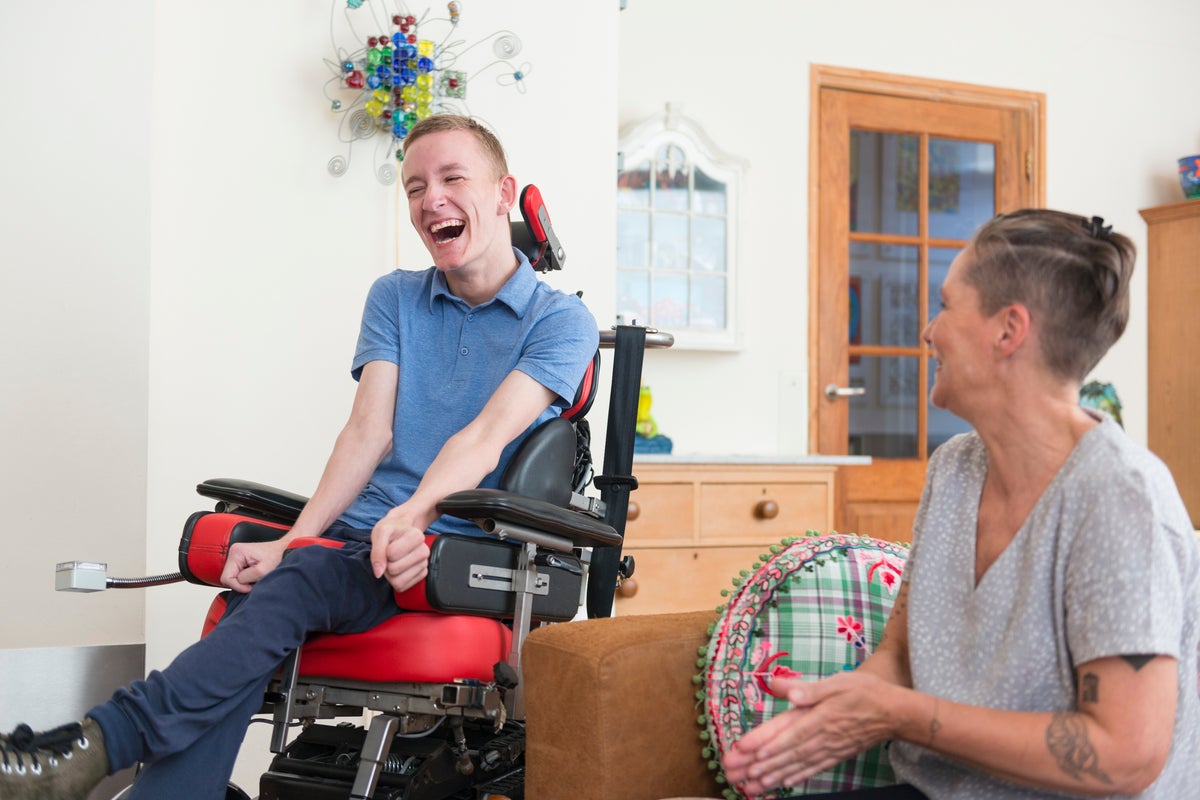
For most people, home is more than a physical structure—it’s a place of familiarity, routine, and personal control. For people with disability, remaining at home is closely tied to independence, wellbeing, and social connection. There’s growing recognition of the value of in-home disability support that helps people stay in their own homes, supported by thoughtful housing design, accessible neighborhoods, and community-based services rather than institutional care.
Organisations like TQN Care demonstrate how comprehensive in-home support can help people maintain active, engaged lives in their own communities. This shift reflects a broader understanding: independence isn’t achieved by a single service, but by the interaction between the home environment, local infrastructure, and reliable support systems.
Universal Design: Making Homes Work for Everyone
Universal design creates spaces that can be used by as many people as possible, regardless of age or ability. In housing, this includes features like step-free entrances, wider doorways, reachable switches, non-slip flooring, and bathrooms that accommodate mobility aids.
Many homes were built before accessibility standards became common, making retrofitting essential. Practical modifications—ramps, handrails, kitchen adjustments—often enable people with disability to manage daily tasks independently or with minimal assistance. These changes aren’t specialized or temporary; they improve long-term usability and safety for everyone.
Universal design reduces reliance on intensive care and allows in-home support services to focus on meaningful assistance rather than compensating for poor environments.
Real-world example: When Maria’s parents retrofitted their home with a wheelchair ramp, wider bathroom, and accessible kitchen, they discovered unexpected benefits. “My father uses the grab rails after his knee surgery,” Maria’s mother explains. “The ramp makes it easier to bring in groceries. These aren’t just ‘disability features’—they make the whole house work better for our family.”
How In-Home Support Enables Living at Home Long-Term
In-home support plays a central role in helping people remain in familiar surroundings. These services may include assistance with personal care, household tasks, mobility, medication routines, and skill development. In Australia, such services are commonly delivered through the National Disability Insurance Scheme (NDIS), which provides personalized funding for disability support.
TQN Care’s NDIS support services in Sydney, Australia, illustrate how comprehensive in-home support—combining personal care, household assistance, and community access—helps people maintain independence while staying connected to their communities.
The benefit of in-home support lies in continuity:
- Individuals maintain control over schedules, surroundings, and relationships
- Families remain involved without bearing full care responsibility
- People stay connected to their communities and support networks
- Daily routines can be personalized rather than institutionalized
Evidence across health and social care systems consistently shows that people supported at home often experience better quality of life outcomes than those in institutional settings, particularly when services are reliable and well-coordinated.
Real-world example: James has multiple sclerosis and receives daily in-home support. “I was worried I’d have to move to a facility when my symptoms progressed,” he says. “But with help coming to my home twice a day—assistance with showering, meals, and getting around—I’m still in the apartment I’ve lived in for 20 years. I know my neighbors, I can get to the park, and I feel like myself.”
Neighborhood Accessibility and Daily Independence
A well-designed home isn’t enough if the surrounding neighborhood remains inaccessible. Sidewalks, crossings, public transport, and nearby services all influence whether someone can participate in community life.
What accessible neighborhoods include:
- Continuous, well-maintained sidewalks with curb cuts
- Audible and tactile pedestrian signals at crossings
- Proximity to essential services like pharmacies and clinics
- Accessible public spaces and parks
- Reliable public transportation with accommodations
When neighborhoods are designed with accessibility in mind, people receiving in-home support can leave their homes more easily, attend appointments, maintain employment, and stay socially connected. This reduces isolation and supports mental wellbeing—often overlooked in discussions of physical accessibility.
The Relationship Between Environment and Support Services
In-home support works best when it operates within accessible environments. A support worker can assist with daily routines, but accessible transport and safe public spaces allow individuals to engage beyond their front door. This interaction between environment and service delivery is essential.
Urban planners and policymakers are beginning to evaluate neighborhoods not only on housing availability but also on accessibility indicators: walkability, healthcare access, and inclusive design standards. When these elements align, in-home support becomes a facilitator of independence rather than just a compensatory measure.
Australia’s NDIS: A Model for Person-Centered Support
Australia’s National Disability Insurance Scheme (NDIS) offers a comprehensive example of personalized, home-based support. The NDIS provides individualized funding that allows participants to choose their own providers and design support around their goals rather than fitting into standardized programs.
Key principles of the NDIS model:
- Person-centered planning: Support is built around individual goals and preferences
- Flexible funding: Resources follow the person, enabling choice and control
- Coordination of supports: Multiple services work together seamlessly
- Focus on capacity building: Support aims to increase independence over time
- Community participation: Funding includes support for social and recreational activities
This approach demonstrates how well-structured disability support systems can enable people to live independently in their own homes and communities rather than in institutional settings.
Technology as a Complement to Human Support
Technology increasingly supports independent living. Smart home features like voice-activated controls, automated lighting, fall alerts, and medication reminders can reduce risks and enhance autonomy. For some individuals, remote monitoring systems provide reassurance without constant in-person supervision.
When used appropriately, technology complements—not replaces—human care, allowing support to be more responsive and sustainable.
The Workforce Challenge
Behind effective in-home support is a trained and stable workforce. Demand for support workers continues rising while recruitment and retention remain challenging. Addressing this gap requires better training pathways, professional recognition, competitive wages, and integration with allied health services.
When support workers are well-trained and supported, care becomes more consistent and respectful. This directly affects whether people with disability can remain at home safely over the long term.
Why Staying at Home Matters
Supporting people with disability to remain in their own homes is about autonomy, dignity, and participation. Accessible homes and neighborhoods, combined with reliable in-home services, allow individuals to make everyday choices—when to leave the house, who to see, how to live.
The broader community benefits too:
- Universal design creates environments that work for older adults, parents with strollers, and people with temporary injuries
- Accessible neighborhoods are more walkable and livable for everyone
- Community-based support keeps people engaged in local life
- Reduced institutional care costs allow resources to support more people
Accessibility, when done well, strengthens communities rather than segmenting them.
Moving Forward
The growing emphasis on in-home disability support reflects a deeper shift in how independence is understood. Rather than separating people from their communities, modern support models focus on adapting environments and services around individual needs.
What this means for communities:
- Investing in accessible housing stock and retrofitting existing homes
- Designing neighborhoods with universal accessibility from the start
- Expanding and improving home and community-based services
- Supporting and professionalizing the direct care workforce
- Adopting person-centered approaches that prioritize choice and control
Conclusion
By investing in accessible housing, inclusive neighborhoods, and well-coordinated in-home support, communities can enable people with disability to live where they feel most secure and connected—at home.
Systems like Australia’s NDIS demonstrate that this approach isn’t just idealistic—it’s practical, cost-effective, and delivers better outcomes for individuals and families. Independence comes not from a single intervention but from the interaction between accessible environments, responsive services, and genuine person-centered support.
When these elements align, people with disability can live full, engaged lives in the communities they call home.

