

If you’ve ever finished a tough workout, a long shift on your feet, or even a full day of physical chores, you’ll know that muscle fatigue can linger longer than expected. Soreness, heaviness, and stiffness don’t just affect athletes—they also show up in everyday life.
Compression therapy has become a popular recovery tool because it addresses these issues in a simple, supportive way. Rather than pushing the body harder, it focuses on helping muscles recover more efficiently so you can move better, sooner, and with less discomfort.
Table of Contents
What Compression Therapy Actually Does
Compression therapy works by applying gentle, controlled pressure to specific areas of the body—often the legs or arms. This pressure supports circulation, helping blood and lymphatic fluid move more effectively through muscle tissue.
Better circulation means muscles receive oxygen and nutrients more efficiently while waste products are cleared away faster. This process plays a key role in reducing soreness and supporting recovery.
To understand the basics, it helps to look at how compression therapy is used across healthcare, sports medicine, and rehabilitation. The underlying principle is the same everywhere: support the body’s natural recovery systems rather than overriding them.
Why Muscles Recover Better With Support
Muscle soreness often comes from microscopic stress in muscle fibres. This is a normal part of physical activity, but recovery speed depends on how well the body can repair and rebalance those tissues.
Compression helps by:
- Improving blood flow
- Reducing swelling and fluid buildup
- Supporting muscle stability during recovery
- Minimising that heavy, “tired” feeling after exertion
Think of it like traffic management. When roads are congested, everything slows down. Compression helps clear the “traffic” in your muscles so recovery can move along more smoothly.
This is why compression isn’t limited to elite athletes. It’s also used by people who stand all day, travel frequently, or manage physically demanding routines.
Supporting Performance Through Faster Recovery
Recovery and performance are closely linked. When muscles recover well, they’re better prepared for the next activity—whether that’s training, work, or daily movement.
Compression therapy doesn’t directly make muscles stronger, but it helps maintain consistency. Less soreness means fewer missed workouts, better focus, and more confidence in movement.
This idea is mirrored in many industries. In manufacturing, equipment maintenance prevents breakdowns. In office work, ergonomic setups reduce fatigue. Compression therapy is maintenance for the body—supporting it so performance doesn’t suffer over time.
Everyday Examples Beyond Sport
While athletes often lead the conversation around recovery, compression therapy is just as relevant in everyday settings.
Consider:
- A retail worker standing for long shifts
- A nurse walking and lifting throughout the day.
- A tradesperson kneeling, climbing, and carrying equipment.
- A traveller dealing with long periods of sitting
In all these cases, muscles and circulation are under stress. Compression therapy helps reduce fatigue and supports comfort, making it easier to stay active day after day.
This is similar to how supportive footwear reduces strain or how ergonomic chairs help office workers feel better at the end of the day.
The Role of Technology in Modern Compression
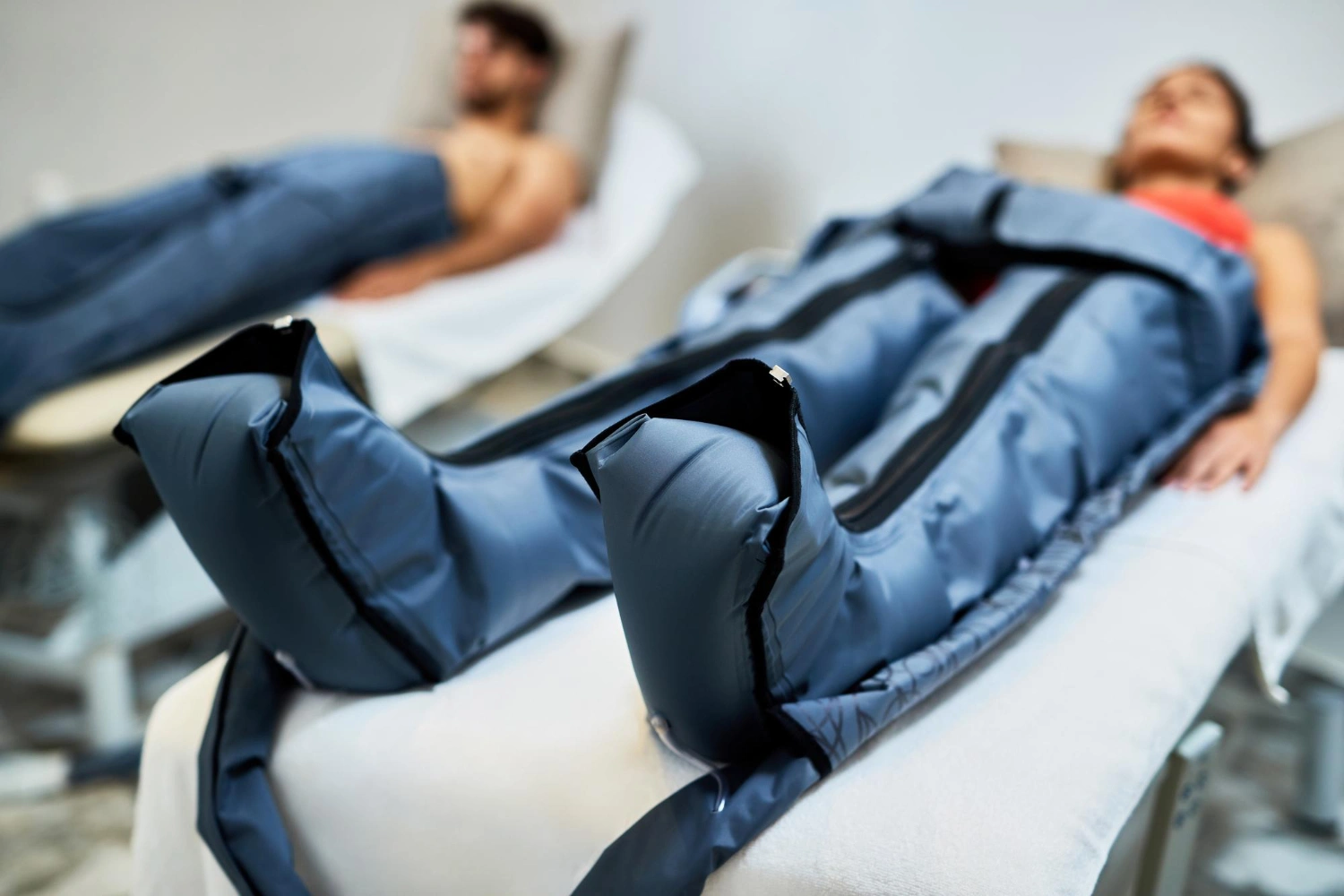
Modern compression therapy often uses devices that inflate and deflate in cycles. This rhythmic pressure mimics the body’s natural muscle pump, enhancing circulation without requiring the user to exert effort.
Sessions are usually relaxing rather than intense. Many people describe them as calming, similar to a massage that focuses on rhythm rather than deep pressure.
Because sessions are controlled and adjustable, compression therapy can be tailored to comfort levels and recovery needs.
When Compression Therapy Fits Best
Compression therapy works well as part of a balanced recovery routine. It’s often used:
- After exercise or physical work
- On rest days, to promote circulation
- During recovery from muscle fatigue
- To reduce swelling or heaviness in the limbs
It doesn’t replace rest, hydration, or good nutrition—but it complements them. Just like stretching or foam rolling, it’s one tool among many that support overall recovery.
Integrating Recovery Into Real Life
One reason compression therapy is gaining popularity is its accessibility. Sessions don’t require high physical effort, making them suitable for people at different fitness levels.
This ease of use makes it easier to build recovery into regular routines. Consistency matters more than intensity for long-term muscle health.
Just as regular maintenance keeps a car running smoothly, regular recovery habits keep the body functioning comfortably.
If you’re curious about how structured sessions are designed to support circulation and recovery, explore compression therapy for muscle recovery to see how this approach fits into a broader wellness routine.
Small Improvements That Add Up
The benefits of compression therapy are often subtle at first. Less stiffness when you stand up. Faster recovery between sessions. A lighter feeling in the legs after long days.
Over time, these small improvements can lead to better consistency, confidence, and comfort in movement.
This cumulative effect is what makes compression therapy appealing—it supports progress without demanding more effort from the body.
Also Read : How Personalised Respite Care at Home Supports Families and Carers
Final Thoughts
Muscle recovery isn’t just about bouncing back from intense workouts. It’s about supporting your body through all the physical demands of life.
Compression therapy offers a gentle, effective way to help muscles recover, reduce fatigue, and maintain performance over time. By improving circulation and supporting the body’s natural repair processes, it helps people stay active, comfortable, and ready for what comes next.
In a world where pushing harder is often praised, compression therapy reminds us that smart recovery is just as important as effort.

