

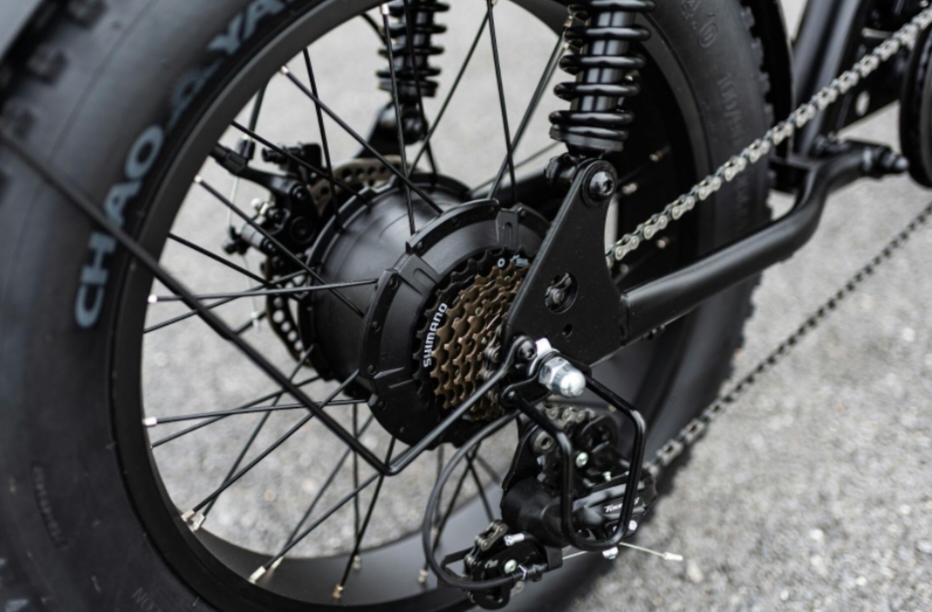
Look, navigating city life is exhausting. You already know this if you’ve ever wrestled with finding parking or squeezed onto a packed subway during rush hour. Traditional transportation options drain your wallet and your patience in equal measure. Here’s the thing, though—what if there’s actually a better way? We’re talking about bikes that genuinely fit your life, not the other way around. They fold up faster than you can say “traffic jam” and handle everything from pothole-riddled streets to those spontaneous weekend getaways. People are completely rethinking how they get around, and honestly, it’s about time.
The Urban Advantage – Space-Saving Mobility in Compact Living Environments
Cities are brutal when it comes to storage. Regular bikes? They become furniture you trip over constantly.
Apartment-Friendly Storage Solutions
Here’s your reality: when you’re working with 500 square feet, you can’t afford to waste space. Now consider this—the Himiway Zebra, which upgraded the already popular Cruiser model, delivers between 60-80 miles per charge according to ebikes.org. That range handles your entire week of commuting without hunting down electrical outlets like a desperate phone addict.
These machines typically compress down to something like 35 x 30 x 18 inches. Seriously. You can shove one next to your couch, wedge it under your desk, or stash it in that bedroom closet you’ve been meaning to organize. Car trunk? No problem, and you won’t need some elaborate rack system either. Sure, they weigh 55 to 75 pounds—but compare that to hauling a 30-pound conventional bike up three flights of stairs every single day. Which torture would you choose?
Multi-Modal Commuting Integration
Your commute probably isn’t straightforward. Bike to the station, train across town, then that final stretch to the office. Sound familiar? A fat tire folding electric bike transforms these connections from headaches into seamless transitions because quality models collapse in under half a minute.Transit systems increasingly welcome folded bikes during peak hours when full-sized bikes get the boot. You’re bypassing the whole bike rack wrestling match or that anxiety about whether there’s room in the train car. Professional carrying cases mean you can roll through your office lobby looking composed, not like someone who just survived an obstacle course.
Workplace and Destination Storage
Locking your bike outside all day creates this nagging worry, right? Will someone snag the battery? The seat? The entire bike? Folding capability makes those concerns vanish because you’re keeping it wherever you are.Most offices have plenty of under-desk real estate. Coffee shops won’t give you grief when you bring a compact, folded bike inside. Over time, this security benefit alone saves you from repeatedly replacing stolen components or worse—buying a whole new bike.
All-Terrain Dominance – Fat Tires Transform City Infrastructure Challenges
City streets resemble obstacle courses more than proper roads. Potholes, sketchy pavement, random construction debris—they’re all testing your equipment constantly.
Conquering Urban Obstacles
Those chunky 3.5 to 4.5-inch tires? They’re not aesthetic choices—they’re practical problem-solvers. Potholes that would rattle your bones on standard wheels barely register here. You’ll glide over them instead of swerving dangerously into traffic lanes.
Railroad tracks stop being scary. That wider contact patch means you’re done worrying about your wheel getting trapped in the gap. And those oil slicks or painted crosswalks that transform regular bike tires into ice rinks? Fat tires grip where skinny ones slip.
Weather Resilience for Year-Round Commuting
Rain doesn’t have to mean you’re stuck indoors. The extra surface area delivers stability in wet conditions that conventional e-bike tires simply can’t provide. Puddles become boring instead of potential disaster zones.Winter riding actually becomes viable in many climates when you adjust tire pressure correctly. Drop down to 5-10 PSI, and you’ve got snow-capable traction; run 15-20 PSI for normal conditions. This flexibility means your investment works twelve months a year rather than collecting dust half the time.
Comfort Advantages on Imperfect Surfaces
Think of fat tires as built-in suspension—they absorb all those vibrations that would otherwise shoot straight through your wrists and shoulders. You’ll reach work feeling fresher after crossing rough terrain because those thick tires are doing the heavy lifting.Cobblestone streets and brick roads that make regular bikes unbearable? Suddenly manageable. The cushioning reduces back strain during longer rides, so you’re not already exhausted before your workday even starts.
Travel-Ready Versatility – From City Streets to Weekend Adventures
Monday’s commute and Saturday’s mountain town exploration? Same bike. This versatility justifies the investment in ways specialized bikes never could.
Airline and Vehicle Transportation Options
Check this out: Technavio projects the global Folding Electric Bicycle Market will grow by USD 264.9 million from 2024 to 2029, with a CAGR of 10.3% during the forecast period, according to newsroom.technavio.org. That growth tells you something—travelers are catching on to these practical benefits.Airlines typically accept e-bikes as checked luggage when the battery capacity stays under 300Wh. Bigger 500Wh batteries need special handling or cargo shipping. Protective bike bags prevent damage during flights, and those folded dimensions fit standard luggage requirements.
RV enthusiasts and car campers love how these bikes fit inside vehicles without external racks. You’re not broadcasting expensive gear to thieves or dealing with wind resistance killing your fuel economy from roof-mounted bikes.
Destination Exploration Freedom
Landing in an unfamiliar city with your own wheels? That’s genuine freedom. No daily rental fees, no waiting for ride-shares, no limiting yourself to touristy areas with decent transit. A folding e-bike for urban commuting becomes your perfect travel partner.Beach riding works even where regular e-bikes would bog down in sand. Coastal paths and boardwalks are ideal fat tire territory. Mountain towns with gravel roads pose zero challenge, letting you explore beyond where tour buses venture.
Extended Range Capabilities for Day Trips
That 25-60 mile range opens up real exploration options. Most riders find 40-50 miles realistic for mixed terrain with moderate pedal assist. Carrying a spare battery extends things further, though you’re adding 6-10 pounds to your load.City riding consumes less battery than hills and trails, so your downtown range exceeds manufacturer estimates. Pedal-assist efficiency means even if your battery dies, you’re not stranded—just getting more exercise than you planned.
Cost-Efficiency Analysis – Long-Term Savings Breakdown
Looking only at the initial price misses the bigger financial story. These bikes pay for themselves faster than you’d expect.
Eliminating Daily Transportation Expenses
Monthly parking in major cities runs anywhere from $200 to $600, depending on where you live. That’s $2,400 to $7,200 yearly just to store a car you’re paying to own, insure, and maintain. Gas, oil changes, tire rotations, repairs—add thousands more to that tab.A fat tire electric bike for city riding costs $1,200 to $3,500, depending on features and brand. Even at the premium end, you’re breaking even within 6-18 months versus car ownership. Public transit passes seem affordable at $100-$150 monthly, but that’s still $1,200-$1,800 annually without the flexibility bikes deliver.
Maintenance Cost Comparisons
Annual maintenance rarely tops $100-$200 for typical riders. You’re covering chain lubrication, brake pad replacement, and tire wear. The Himiway Zebra features a robust 6061 aluminum frame supporting up to 400 lbs according to ebikes.org—that’s durability lasting years without expensive repairs.
Resale values hold up surprisingly well. Quality models retain 60-75% of their value after two years. You’re not burning money—you’re making a recoverable investment.
Tax Incentives and Rebate Programs
Federal e-bike tax credits keep evolving, and some states offer substantial rebates. California, Colorado, and Vermont lead with programs cutting purchase prices by $500-$1,500. Employer commuter benefits sometimes cover e-bike purchases too.These incentives stack with natural savings, dramatically improving your ROI timeline. Check local programs before buying—you might save enough to upgrade to a better model within your original budget.
Real-World Applications Across Different Lifestyles
Seeing how others use these bikes helps clarify whether they’ll work for you. Different riders discover that different benefits matter most.
The Daily Commuter Profile
Five to fifteen-mile commutes hit the sweet spot for most urban riders. You’ll arrive in 20-40 minutes, depending on distance and traffic—probably faster than driving during rush hour once you factor in parking.Professional clothes work fine with pedal-assist modes that let you control effort levels. You’re not showing up drenched in sweat as you might on a traditional bike. Evening grocery runs become simple with rear rack attachments carrying 30-50 pounds of cargo.
The Weekend Adventurer Profile
Friday evening escapes from the city to nature completely change your weekend possibilities. A portable electric bike for travel fits in your trunk, ready to explore wherever you’re headed. State park trails, beach towns, mountain areas—all accessible.Camping trips gain a transportation option that doesn’t require shuttles or long hikes to reach interesting spots. Social riding groups welcome these bikes since they handle the same terrain as regular mountain bikes while helping less-fit riders maintain pace.
The Digital Nomad Application
Remote workers exploring new cities find these bikes invaluable. Airport to accommodation transitions cost less than repeated ride-shares. Exploring neighborhoods and finding coworking spaces happens on your schedule, not Uber’s availability.International travel requires checking local regulations—some countries restrict motor wattage or speed capabilities—but most tourist-friendly destinations welcome e-bikes enthusiastically.
Common Questions About Fat Tire Folding Electric Bikes
1. What are the benefits of a folding e-bike?
They can be quickly and easily folded to fit into buses, trains, cars, and even airplanes. You don’t need a bike rack, saving both time and money. This makes them ideal for commuters who bring their bikes to work or travelers who want to explore their surroundings.
2. What is an urban ebike?
An urban E bike, or urban electric bike, city E bike, city electric bike, is a type of electric bicycle designed for commuting and transportation within urban environments.
3. How long do batteries typically last?
Most lithium-ion batteries provide 500-1000 full charge cycles before capacity degrades noticeably. That translates to 3-5 years for daily commuters or longer for occasional riders. Replacement batteries cost $300-$600, depending on capacity, still cheaper than car maintenance over similar periods.
Making the Move to Smarter Urban Mobility
These bikes address real problems you’re facing constantly as an urban dweller or traveler. Space constraints, rough infrastructure, tight budgets, transportation inflexibility—one purchase tackles all of it. You’re not choosing between commuting capability and adventure potential—you’re getting both in equipment that stores easily and travels anywhere. The upfront investment pays back through eliminated parking fees, transit passes, and car expenses while genuinely expanding your lifestyle options. Cities keep getting denser, making compact solutions more valuable every year. Maybe it’s time to rethink how you move through your city and explore beyond it.

