

You arrive at your first polo match or hunter jumper competition. That wardrobe panic hits hard. Did I overdress? Am I too casual? Should I have worn riding boots just to watch?
You’re not alone. Equestrian dress codes can feel like a secret language. The pressure builds when you don’t want to embarrass yourself in front of experienced riders and their well-dressed groups. Whether you are browsing equestrian suppliers for your first outfit or looking for high-end custom equestrian clothing for a championship, the rules change based on the event type, your role, and the season.
Here’s the truth: Equestrian fashion mixes tradition, practicality, and unwritten social rules. This guide clears up the confusion. We will explore specific outfit formulas, safety requirements you must follow, and how leading equestrian outfit manufacturers are changing the game with modern fabrics. Plus, honest advice about expensive gear—when it’s worth buying and when you can skip it.
Understanding Equestrian Event Types and Their Dress Codes
Equestrian events have different levels of formality. New riders often don’t expect this. A charity polo match differs wildly from a regional dressage qualifier. The gear you see at one event might not work at another, creating a challenge for general equestrian suppliers who must cater to diverse needs.
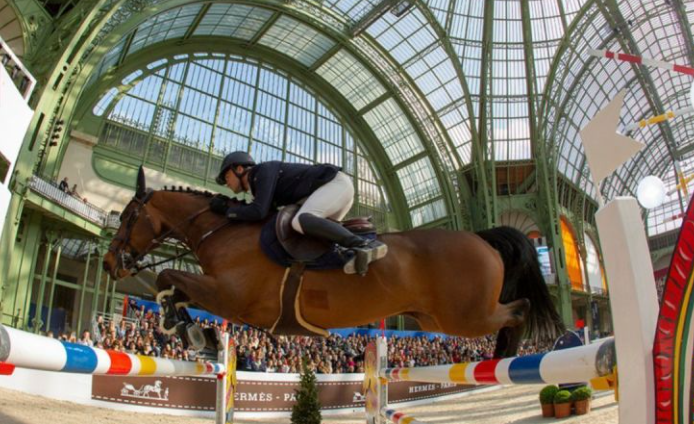
Hunter competitions have the strictest dress codes. These events keep fox hunting traditions alive. Every detail matters. Riders wear dark hunt coats in navy, black, forest green, or brown. They pair these with tan breeches and white shirts with chokers. Flash nosebands aren’t allowed. Colorful reins are out. Nothing should pull focus from the horse’s movement. This tradition keeps custom equestrian clothing designers busy ensuring every seam is historically accurate.
Dressage ranks second for formality. Riders do choreographed movements in a 20×60 meter arena. The dress code matches this focus on precision. You need white or light-colored breeches. Black polished tall boots are a must. Jackets are required for all levels except Level 1. Long hair needs a hairnet. Gloves must be white or light-colored. Bright patterns and bold colors regarding custom equestrian outfit choices are generally not allowed here. The focus is purely on the harmony between horse and rider.
Show jumping gives you the most options among English disciplines. Three formality levels exist here. Formal classes need white shirts with white chokers and dark coats. Proper classes let you wear any coat color and any tie color. Standard classes skip the jacket rule, requiring just a collared shirt. Western and ranch events take a different path entirely, focusing on function over tradition. The “dress code” is simple: wear what works for actual ranch activities.
Your role picks your outfit. Competitors follow strict rules set by their governing bodies. Spectators have much more freedom, though equestrian clothing manufacturers are now designing specific lines just for the ringside crowd.
The Spectator’s Guide: From Smart Casual to VIP
Spectators get to break the rules competitors can’t touch. You don’t need riding boots. You won’t wear breeches. The strict dress codes don’t touch you. However, looking the part is still essential.
The baseline formula works everywhere: Clean dark jeans or chinos. A collared shirt or blouse. Closed-toe shoes with good traction. Barn visits, local shows, and afternoon competitions all work with this combo.
Weather significantly impacts what wholesale equestrian clothing retailers stock for spectators. Summer outdoor shows need sun protection—wide-brimmed hats, breathable fabrics like linen or cotton, and sunglasses. Skip the flip-flops. Arenas have uneven ground, mud patches, and horse hooves. You need sturdy footwear. Canvas sneakers work, as do ankle boots or loafers.
Winter indoor events flip the script. Venues often lack heating. You need layers. Start with a thermal base. Add a sweater or fleece. Top with a jacket you can remove if needed. Leading equestrian manufacturers often produce venue-specific outerwear designed to repel stable dust while keeping you warm.
High-profile events need more polish. Charity polo matches, major dressage championships, and private competitions expect style. Men wear sport coats with dress pants and leather shoes. Women choose sundresses with cardigans, fitted trousers with blazers, or smart skirts. The goal isn’t matching riders. You want to look intentional, not clueless. Comfortable enough to walk between rings, yet presentable enough to chat with trainers or representatives from an equestrian clothing factory.

Avoid common mistakes to maintain this polished look. Athleisure sends the wrong message. Leggings and sneakers belong at the gym. They don’t fit at equestrian events. This casual choice makes you look lost. High heels create safety hazards. Think about cobblestone stable areas and grass fields hiding holes. Stilettos don’t work on these surfaces. Data backs this up: heel wearers take fewer steps at outdoor events. Finally, avoid wrong-sized clothing. Fitted clothing in your true size creates a polished appearance, which is why custom equestrian clothing is so popular even for non-riders.
For footwear, you need stable footing on changing terrain. Loafers give you flexibility. They work for barn visits, championship shows, and charity galas. The leather sole looks refined, and the wider toe box supports hours of standing and walking between rings. Spring and summer outdoor shows call for driving loafers with pebbled rubber soles, while fall and winter competitions need Chelsea boots. Keep it simple: loafers for most times, Chelsea boots for cold weather, and driving loafers for country club polo matches.
Rider Attire Standards by Discipline
Competition riders deal with dress codes that change drastically between disciplines. The jacket you wear for dressage won’t work in a hunter ring. Sourcing the right gear often requires finding specialized equestrian clothing manufacturers who understand these nuances.
Dressage Competition Standards focus on elegance. Lower-level riders get some freedom; Level 1 allows long-sleeved shirts with collars without a jacket. However, jacket rules get stricter as you move up. Short riding jackets work through Fourth Level. FEI-level competitions require tailcoats. These shadbelly jackets mean serious business. Breeches follow a strict color rule: white, light tones, or dark shades. Bright colors fail. High-end custom equestrian clothing often features in these arenas, where the fit of a tailcoat can impact the overall visual impression.
Hunter Jumper Dress Code Levels are steeped in tradition. Formal hunter classes follow fox hunting heritage. Riders wear scarlet or dark coats. White shirts get paired with white stocks tied with care. Breeches come in three approved colors: white, buff, or canary. Informal hunter classes ease up a bit, allowing black, blue, green, grey, or brown coats. Jumper classes offer flexibility. Formal jumper competitions want dark, muted, or scarlet coats. Proper jumper classes let you wear any coat color. Standard jumper competitions drop the coat rule entirely, a trend that equestrian clothing manufacturer designers have responded to by creating high-performance show shirts.
One universal rule applies: Boots are required across all hunter and jumper divisions. Tall boots or paddock boots with matching half-chaps are the standard. Polish them before you enter the ring.
Safety Equipment: The Non-Negotiables
Riding without proper safety gear isn’t brave—it’s reckless. Every horse riding style needs specific protective equipment. This equipment, often developed by specialized equestrian manufacturers, can save your life during falls or accidents.
ASTM-certified riding helmets are the must-have. The American Society for Testing and Materials sets the standard for horse riding headgear. Your helmet must show the ASTM F1163 certification seal. Even top fashion brands offering private label equestrian clothing must partner with certified factories to ensure their helmets meet these rigorous safety standards. Replace your helmet every five years or immediately after a fall.
Body protectors are required in certain competitions. Cross-country eventing requires BETA Level 3 or ASTM-rated safety vests. These vests contain foam panels that absorb impact across your spine, ribs, and shoulders. While show jumping and dressage don’t always require vests, experienced riders often wear them during training. Equestrian suppliers are increasingly stocking lightweight, air-vest interpretations of these safety devices.
Riding boots with defined heels stop your foot from sliding through the stirrup. This heel isn’t about style—it’s a safety feature. The standard heel height sits between one and one-and-a-half inches. Paddock boots with half-chaps meet this requirement, as do tall boots. Sneakers, hiking boots, and work boots don’t qualify.
RunEquestrian: Defining Quality in Manufacturing

The equestrian apparel market is flooded with options, but the difference between a good ride and a great one often comes down to the quality of manufacturing. This is where industry leaders like RunEquestrian come into play. As a premier equestrian clothing manufacturer, they represent the shift from generic gear to technical performance wear.
Why does the manufacturer matter? Ariat dominates with market share due to performance tech, but behind many successful brands acts a robust equestrian clothing factory ensureing that fabrics pull sweat away from the skin and seams don’t chafe. RunEquestrian excels in this space by offering comprehensive OEM/ODM services. This means they help brands design and produce custom equestrian outfit lines that meet professional standards.
For businesses looking to enter the market, finding reliable equestrian suppliers is critical. RunEquestrian supports this by providing wholesale equestrian clothing solutions and private label equestrian clothing services. This allows new brands to launch with gear that already meets the high expectations of riders—breathable, durable, and stylish. Whether you need custom equestrian clothing for a team or a full production run for a retail store, leveraging the expertise of established equestrian manufacturers like RunEquestrian ensures the final product handles the rigors of the barn.
Body type determines functionality. Slim and athletic builds fit certain European cuts, while curvy figures need stretch panels. High-end custom equestrian clothing takes this a step further, offering tailored fits that off-the-rack items cannot match. This sector functions well because of the OEM/ODM services provided by factories capable of handling complex sizing requirements. When unmatched quality is the goal, the source of your gear matters as much as the brand name on the label.
Seasonal Considerations: Summer vs Winter

Temperature extremes make or break your day. Comfortable spectators stay; miserable ones leave early. Equestrian outfit manufacturers have responded to this by developing fabric technologies specifically for these environments.
Summer events turn arenas into heat traps. Metal bleachers reflect sun, and sand arenas kick up dust. You need fabrics that breathe and protect. UPF 50+ materials block 98% of UV rays—a must for all-day polo matches. Nylon-polyester blends with moisture-wicking capabilities work best. These fabrics, a staple of any competent equestrian clothing factory, pull sweat away from your skin 80% faster than cotton. Mesh panels in key spots increase airflow significantly.
Winter competitions flip the script. Most horse facilities lack good heating. You’re watching in 40-degree barns or colder outdoor arenas. Layering keeps you warm. Start with a merino wool base layer. Add a fleece mid-layer to trap body heat. Top with a windproof outer shell. Experienced equestrian manufacturers design these outer layers to be quiet—fabric rustling can spook horses—while remaining waterproof.
Rain Backup Plans Work Year-Round. Weather shifts fast at outdoor venues. Keep waterproof gear in your vehicle. Gore-Tex jackets with high water resistance handle heavy rain and pack small. This is where wholesale equestrian clothing shines, offering affordable, durable rain gear that serves as a crucial backup for spectators and riders alike.
Color Rules and Fashion Etiquette
Your color choices show whether you understand equestrian events or not. People at the barn notice your outfit, and they form quick judgments. Navy and black rule equestrian settings. These colors show respect for tradition and fit the formal vibe at dressage qualifiers and hunter championships. They also hide arena dust better than light shades, a practical detail that equestrian clothing manufacturers know well.
Skip bright warm colors at formal competitions. Red catches everyone’s eye and can be distracting to judges and horses. Save red for casual barn visits or practice days. Muted earth tones work at all event types. Olive green, taupe, chocolate brown, and charcoal grey fit the equestrian palette perfectly. These colors calm nerves in social settings and blend with the natural environment of the showgrounds.
Patterns need care. Small checks, subtle plaids, and thin stripes work fine. Bold prints and geometric designs generally belong at beach resorts, not horse shows. You want refinement, not distraction. The best custom equestrian outfit usually relies on texture and cut rather than loud patterns to make a statement.
Conclusion
Ringside at your first hunter jumper show? Or stepping into the saddle for dressage? The right outfit turns nerves into confidence. Whether you are a rider seeking high-end custom equestrian clothing or a business looking for reliable equestrian suppliers, understanding the code is key.
Spectators need smart casual clothes with sturdy shoes, while riders need safety helmets and the right gear for their sport. Equestrian fashion works because it’s practical. You don’t need a whole new wardrobe to fit in, but investing in quality pieces from a reputable equestrian clothing manufacturer ensures your gear lasts season after season.
Start with basic pieces that work everywhere. Get quality boots, well-fitted breeches, and layers for changing weather. For those looking to create their own line, remember that choosing the right partner for OEM/ODM services or private label equestrian clothing is the first step toward success. The horses won’t care what you wear, but showing up prepared, comfortable, and respectful of the sport’s history makes you part of the community.

