

Let me tell you about the great network debate that’s probably happening in your office right now (or should be). It’s kind of like choosing between hardwood floors and carpet, both get the job done, but one might be way better for your specific situation.
Here’s the thing: most business owners assume WiFi is always the answer because, well, it’s 2026 and wireless everything is the modern way, right? But before you call a telecommunications contractor to rip out all those cables, let’s talk about what actually makes sense for your business.
Because spoiler alert, the answer isn’t always as simple as “wireless is better.”
I’m going to break down both options so you can make the smartest choice for your business. No tech jargon overload, I promise. Just real talk about what works, what doesn’t, and what you actually need to know.
What Even Is Structured Cabling?
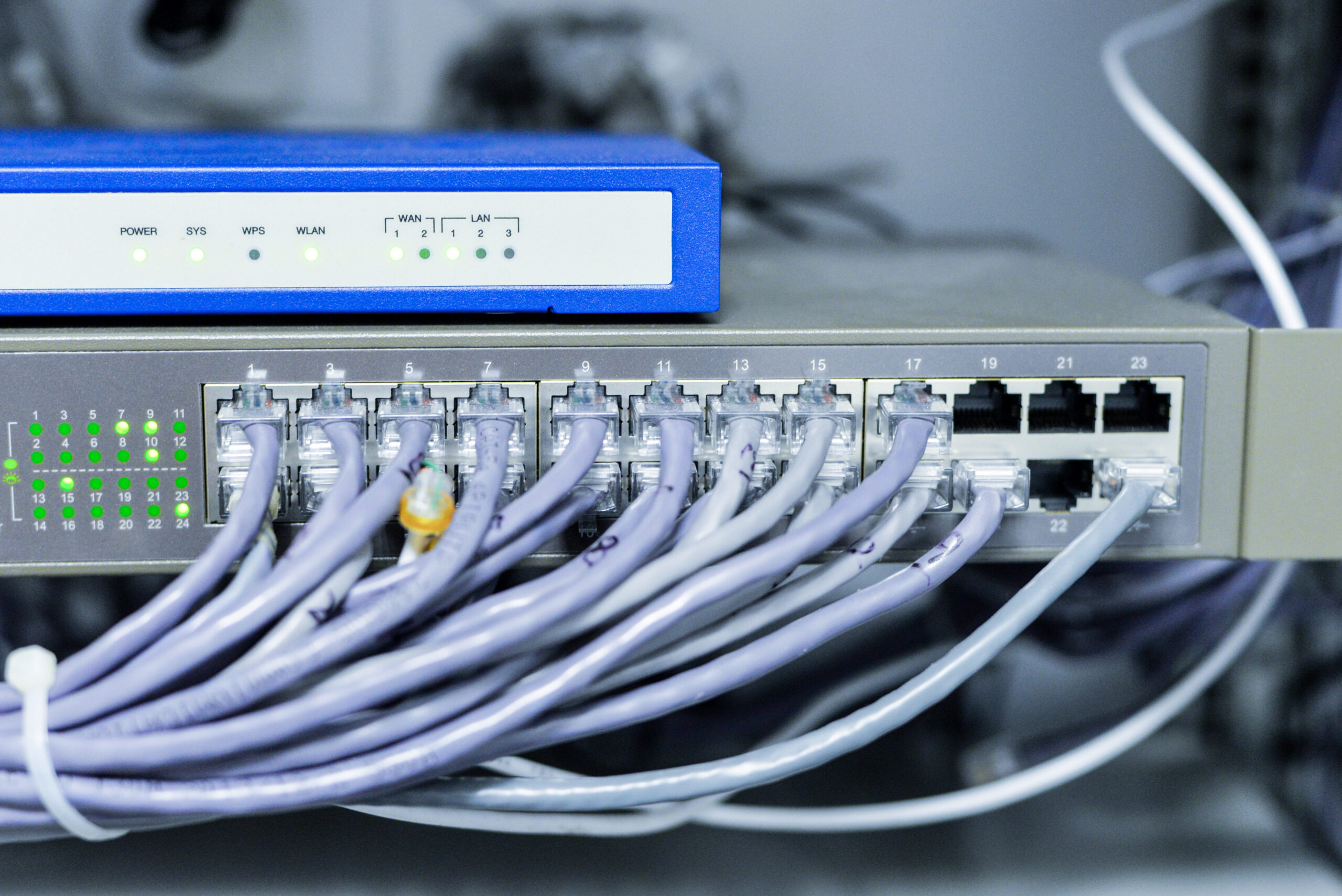
Think of structured cabling as the skeleton of your network, it’s the physical wires and cables running through your walls, ceilings, and floors that connect everything together. These are your Ethernet cables, fiber optic lines, and all the hardware that makes them work.
It’s organized, permanent, and once it’s installed correctly, it basically just works without you thinking about it. Kind of like how you don’t think about your home’s electrical wiring once it’s done (until something goes wrong, but that’s a story for another day).
Structured cabling follows specific standards and best practices. A professional installation includes cable pathways, patch panels, network switches, and connection points throughout your building. It’s not just someone randomly running cables wherever they fit.
The Wireless Network Appeal
Wireless networks are the obvious crowd favorite. No cables running across your floor. No drilling holes. Just plug in a router, connect your devices, and boom, you’re online. It feels modern, clean, and flexible.
And honestly? For many small businesses and home offices, wireless works perfectly fine. You can add devices easily, move your desk around, and guests can hop on your network without needing a cable. The convenience factor is huge.
But here’s what most people don’t realize until it’s too late: wireless isn’t always as reliable or fast as you think. According to recent industry data, businesses using only wireless networks experience 3-4 times more connectivity issues than those with wired infrastructure. That’s a big deal when you’re trying to run a business.
Speed and Reliability: The Real Difference
Let’s get into the stuff that actually matters when you’re running a business.
Structured cabling delivers consistent, fast speeds every single time. A Cat6 Ethernet cable can handle speeds up to 10 Gbps at shorter distances. Even at longer runs, you’re looking at 1 Gbps, which is way faster than most internet connections anyway.
Wireless networks? They’re getting better all the time, but they’re still limited by physics. WiFi signals weaken through walls. They get interference from other networks, microwaves, and even that fish tank in the break room. Your speed drops the farther you get from the access point.
Here’s a real-world example: Your salesperson is on a video call with a potential million-dollar client. With a wired connection, that call stays crystal clear. With wireless, they might be dealing with freezing video, dropped audio, or the dreaded “can you hear me now?” moment. Not exactly professional.
Research from the International Data Corporation shows that network downtime costs businesses an average of $300,000 per hour. Even small businesses lose thousands during outages. Structured cabling dramatically reduces those risks.
Security Considerations
This is where things get interesting. Structured cabling is inherently more secure because someone literally needs physical access to your network to hack it. They’d have to be in your building, plugged into your network.
Wireless networks broadcast signals that anyone within range can potentially access. Yes, you can secure them with passwords and encryption (and you absolutely should), but wireless networks are fundamentally more vulnerable to outside attacks.
For businesses handling sensitive data, think healthcare, legal, finance, or any company dealing with customer information, structured cabling offers a security advantage that’s hard to ignore.
Installation and Maintenance
Here’s where wireless seems to win at first glance. Setting up a wireless network is pretty straightforward. Buy some equipment, plug it in, configure the settings, and you’re done. No construction required.
Structured cabling requires professional installation. You’re running cables through walls and ceilings, installing hardware, and testing everything. It’s more expensive upfront and takes longer to complete.
But here’s the twist: once structured cabling is installed properly, it requires almost zero maintenance. Those cables can last 15-20 years or more without touching them. Wireless equipment needs regular updates, occasional replacement, and troubleshooting when things go wonky.
Think of it like this, structured cabling is like getting hardwood floors installed. Big upfront investment, but then you’re set for decades. Wireless is like carpet: cheaper initially, but you’ll be replacing and updating it more often.
Scalability and Future-Proofing
Your business is growing (hopefully!), so let’s talk about scaling up.
Adding devices to a wireless network is super easy, just connect them to the WiFi. But as you add more devices, performance suffers. Every device is competing for the same wireless bandwidth. It’s like trying to fit more cars on the same highway during rush hour.
Structured cabling handles growth better. Need to add workstations? Just plug them into existing network ports. Planning an expansion? Run additional cables to the new area. Your existing infrastructure stays solid while you build on top of it.
Plus, the cabling standards used today (like Cat6a or fiber optic) are designed to handle future technology improvements. The cables you install now will support faster speeds as technology advances, without needing to replace the physical infrastructure.
Cost Comparison: The Truth
Initial costs for wireless are lower, no question. You can set up a decent wireless network for a few hundred to a couple thousand dollars, depending on your space.
Structured cabling runs higher upfront, typically several thousand dollars for a small business, more for larger installations. You’re paying for materials, professional labor, and potentially some construction work.
But here’s what changes the math: total cost of ownership over time. Wireless equipment needs replacement every 3-5 years as technology changes. Structured cabling lasts 15-20+ years with minimal maintenance.
Factor in the cost of network downtime, slower productivity from connectivity issues, and potential security breaches, and suddenly that structured cabling investment starts looking smarter.
Which One Should You Choose?
Plot twist: you probably need both!
Most successful businesses use a hybrid approach. Structured cabling provides the reliable backbone for critical systems, servers, desktop computers, VoIP phones, security systems, and anything that needs consistent, fast connectivity.
Wireless networks handle the mobile devices, guest access, conference rooms, and flexible workspaces where people need to move around.
Here’s my recommendation based on business type:
Go heavy on structured cabling if you:
- Handle large file transfers regularly
- Use bandwidth-intensive applications
- Need maximum security
- Have fixed workstations
- Run servers or network equipment
- Use VoIP phone systems
- Have video conferencing setups
Wireless can be your primary if you:
- Run a very small business (under 5 people)
- Use mostly mobile devices
- Don’t handle sensitive data
- Have simple internet needs
- Rent your space short-term
- Need maximum flexibility
Use a hybrid approach (recommended!) if you:
- Have 5+ employees
- Mix fixed and mobile work
- Want reliability AND flexibility
- Plan to grow your business
- Use cloud applications extensively
Making the Decision
Before you decide, consider these questions:
How important is network reliability to your daily operations? If your business grinds to a halt without internet, invest in structured cabling.
What’s your budget? Include not just installation costs, but ongoing maintenance and potential downtime costs.
Are you staying in this location long-term? If you’re renting month-to-month, structured cabling might not make sense. Planning to be there for years? It’s probably worth it.
What are your security requirements? Some industries legally require certain security standards that favor wired networks.
How tech-savvy is your team? Managing a complex wireless network requires more ongoing attention than structured cabling.
The Bottom Line
There’s no one-size-fits-all answer, which I know is frustrating when you just want someone to tell you what to do!
But here’s the honest truth: for most established businesses that own or lease their space long-term, a hybrid network with structured cabling for the backbone and wireless for flexibility gives you the best of both worlds.
You get the reliability, speed, and security of wired connections where it matters most, plus the convenience and flexibility of wireless where it makes sense.
The key is working with professionals who understand both technologies and can design a system that fits your actual needs, not just sell you whatever they happen to install.
Your business network is too important to wing it. Take the time to evaluate your needs, consider your growth plans, and make an informed decision. Your future self (and your employees) will thank you when everything just works smoothly, day after day.
And hey, if you’re still totally confused, that’s what telecommunications contractors are for. Find one who asks questions about your business instead of just pushing their preferred solution. That’s usually a good sign you’re in the right hands.

