

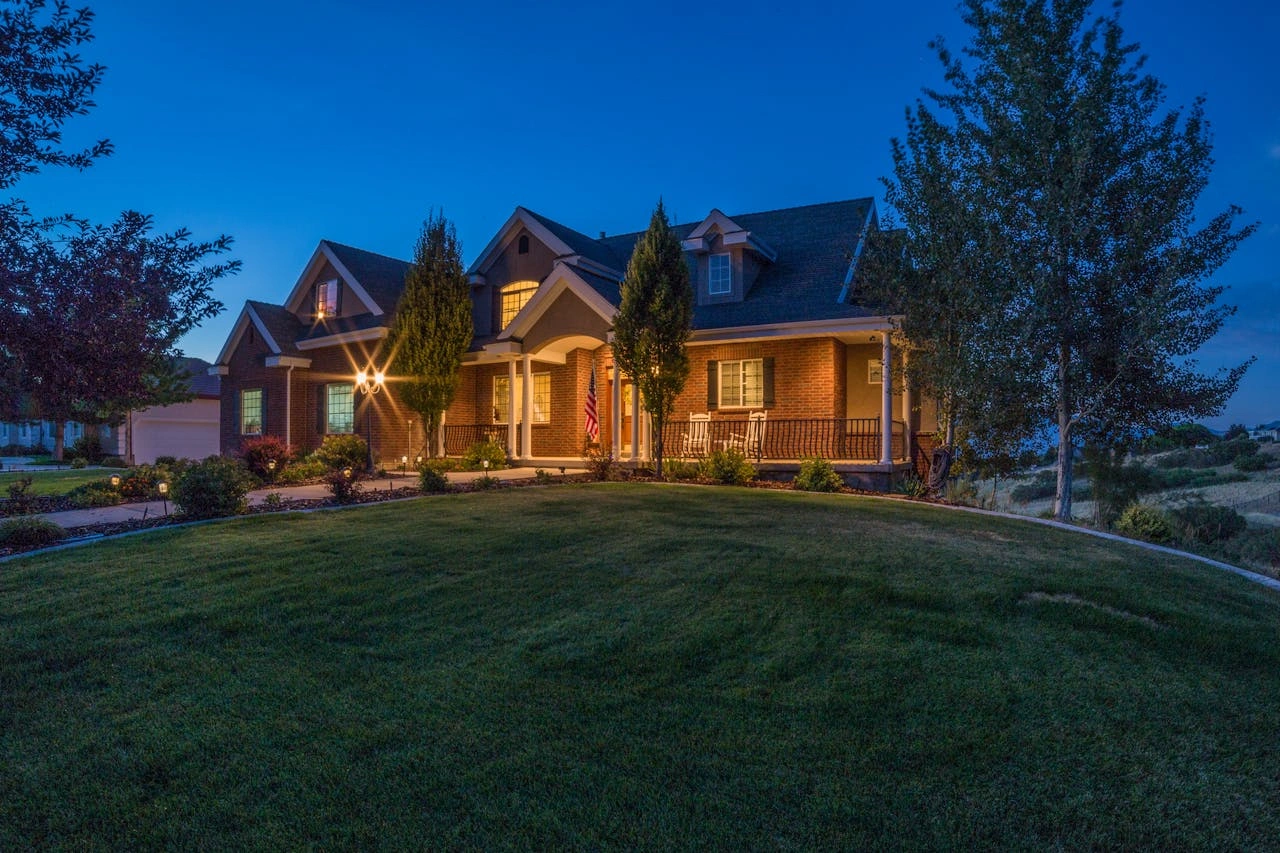
Night changes the rules of how a home works. A backyard that feels inviting during the day can suddenly feel uncertain, even awkward, once the sun goes down. Familiar paths become harder to read, steps feel less predictable, and outdoor spaces that looked well-designed in daylight lose their purpose. Homeowners have started noticing this, and it’s pushing a new kind of thinking around upgrades.
Instead of throwing in a bright porch light and calling it done, people are paying attention to how movement actually happens after sunset. Walking from the driveway to the front door, stepping out into the yard, or even just grabbing something from the car becomes part of the experience.
Table of Contents
Shaping Visibility Through Intentional Lighting
A scattered approach to outdoor lighting often leaves gaps that only show up once it’s too late. One area feels overly bright while another disappears into darkness, creating an uneven experience. Homeowners are starting to focus on how they actually move through their space before placing any lights. The path from the driveway to the door, the route to the backyard, even the way someone walks around the side of the house, all factor into the plan.
With this kind of thinking, lighting becomes flexible instead of fixed. A setup that works for a quiet evening might not feel right during a gathering or a late-night arrival. At this stage, customizable landscape lighting starts to make sense. Adjusting brightness, focusing on certain areas, or shifting how light spreads allows the space to adapt instead of staying locked into one setting.
Clear Pathways for Safer Movement
Walking across a yard at night shouldn’t feel like a guessing game, yet many homes still leave pathways barely visible. A slight dip in the ground, a step that blends into the surface, or a loose stone can easily catch someone off guard.
Well-lit pathways remove that uncertainty completely. Instead of flooding the entire yard with light, focused lighting along walkways creates a clear route without overwhelming the space. Picture stepping outside and immediately knowing where to go without slowing down or second-guessing your footing.
Highlighting Transitions Between Zones
Outdoor spaces rarely exist as one flat area. There’s usually a shift between the patio and the lawn, a step down into a garden, or a change from a walkway to a seating area. During the day, those transitions feel obvious. At night, they tend to blur together, which can make the space feel disconnected or even confusing.
Lighting those transition points brings structure back into the layout. A soft glow marking the edge of a patio or a subtle highlight along a step creates a natural guide without drawing too much attention. You can move from one area to another without hesitation, simply because the space communicates where each section begins and ends.
Revealing Details That Disappear at Night
A lot of effort goes into designing outdoor spaces; however, much of it disappears once daylight fades. Textures in stone pathways, the outline of garden beds, or even the edges of architectural features can vanish into darkness. Without light, those details stop contributing to the overall experience.
Bringing those elements back into view changes how the space feels at night. A soft highlight along a wall, a gentle glow around a tree, or light brushing across a pathway edge adds depth without overwhelming the scene. This continuity keeps the design alive instead of letting it fade after sunset.
Subtle Illumination Over Harsh Lighting
Bright floodlights used to feel like the easiest solution. Flip a switch, light everything up, and the job feels done. In reality, overly harsh lighting creates its own problems. It flattens the space, washes out details, and often creates strong shadows that make certain areas harder to see.
A softer approach creates a more controlled environment. Instead of blasting light across the entire yard, subtle illumination spreads evenly and keeps the space comfortable to look at. You get a backyard where light feels natural and balanced, where nothing feels too dark or too bright.
Nighttime Use of Outdoor Spaces
Outdoor areas often sit unused after sunset, even in homes where a lot of effort has gone into design. A patio that feels perfect during the day can turn into a space people avoid simply because it’s not easy to see or move around. Chairs, steps, and edges fade into the background, and the space loses its purpose once natural light disappears.
Introduce the right level of visibility, and the same space starts working differently. A softly lit seating area invites people to stay outside longer, whether it’s a late dinner, a quiet evening, or just stepping out for fresh air.
Focused Lighting at Entry Points
Entry points carry more importance at night than most people expect. A front door, a side entrance, or even a gate can feel less approachable when visibility drops. Fumbling for keys, missing a step, or hesitating before opening a door becomes common in poorly lit setups.
Targeted lighting around these areas removes that friction. A well-lit entry gives a clear view of locks, handles, and surroundings without overwhelming brightness. You walk up to your door, and everything feels immediately clear, no pause, no adjustment needed.
Interaction With Outdoor Features
Outdoor features lose their purpose if they can’t be used comfortably at night. A fire pit, a bench, or even a simple walkway becomes less inviting when visibility isn’t there. People tend to avoid spaces they can’t read easily, even if those spaces are well-designed.
Lighting changes how those features are used. A softly lit bench becomes a place to sit rather than something to walk past. A pathway becomes a guide instead of a vague outline. Picture stepping into a backyard where every feature feels accessible, where nothing disappears into darkness.
Layered Lighting for Depth
Relying on a single light source often creates a flat and uneven environment. One area becomes too bright while another fades into shadow, making the entire space feel unbalanced. Depth disappears, and movement feels less natural.
Layered lighting brings dimension back into the space. Combining soft ground lights, subtle highlights, and focused illumination creates a sense of structure without overwhelming the eye. This approach makes the space feel complete and easier to navigate.
Also Read: How Mindfulness Can Support Mental Wellness
Managing Activity Around the Property
Visibility plays a quiet role in how homeowners stay aware of what’s happening outside. Dark areas create uncertainty, while well-lit spaces offer a clearer view of movement. A driveway, a side yard, or a backyard corner feels different depending on how visible it is.
Adding the right lighting allows homeowners to keep track of activity without needing to step outside constantly. Picture glancing out a window and clearly seeing the space rather than staring into darkness.
Nighttime visibility now impacts how homes feel, how spaces get used, and how easily people move through their surroundings after dark. Thoughtful choices enhance comfort and a sense of control that carries through every part of the home once the sun goes down.

