

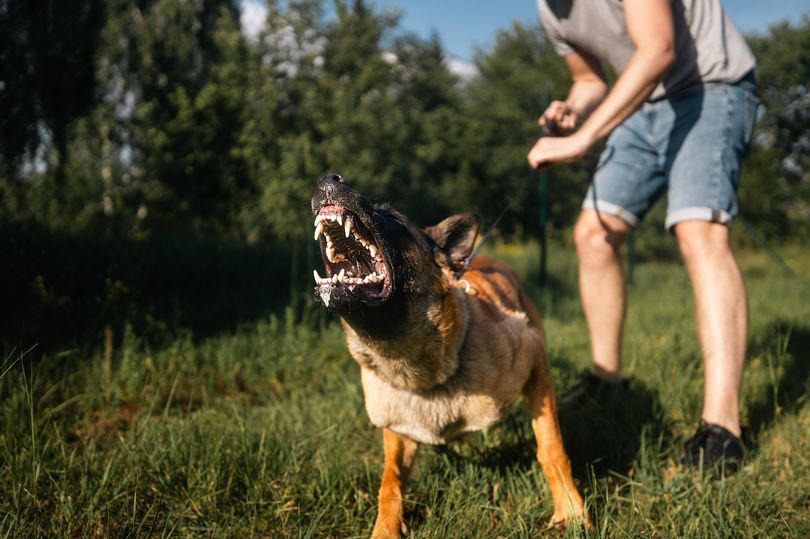
Dog bite cases can feel straightforward until the issue of trespassing comes up. If a bite happened on someone else’s property, the dog owner may argue the injured person “shouldn’t have been there,” and that fact can change how a claim is evaluated. Still, trespassing doesn’t automatically erase liability. The details matter—where the bite happened, why the person was there, whether the owner knew someone could enter, and whether the dog was kept in a reasonably safe way.
Because these cases often turn on fine details and legal categories, it helps to get guidance early. If you were bitten and the property owner is claiming you were trespassing, a Las Vegas dog bite attorney can help you understand how visitor status affects your rights, what exceptions may apply, and what evidence can strengthen your claim.
Why Visitor Status Matters In Dog Bite Cases
In many dog bite claims, the injured person’s legal status on the property affects what duty the owner owed. Someone invited onto the property generally has stronger protections than someone who entered without permission. This is why defendants focus so heavily on labels like “guest,” “delivery driver,” “licensee,” or “trespasser.”
That said, the label is not the whole story. A person can be considered lawfully present for many reasons, including implied permission in certain situations. And even when someone is technically trespassing, the dog owner may still have responsibilities depending on the circumstances and the level of danger involved.
What Counts As Trespassing In Real Life
Trespassing is not always dramatic. It can include entering a fenced yard, opening a gate, cutting across private property, or walking into a backyard thinking it’s a shared space. Sometimes people genuinely don’t realize they crossed onto private property, especially in neighborhoods with unclear boundaries.
Disputes often come down to small facts: Was there a fence? Was the gate closed? Were there warning signs? Did the property look open to the public? Was the person retrieving a ball, looking for a lost pet, or responding to an emergency? These details can affect whether the entry is treated as intentional trespassing or a more understandable mistake.
When Trespassing Can Reduce Or Complicate A Claim
When a person is truly trespassing, the dog owner will usually argue they didn’t owe the same level of protection they would owe a visitor. That can change the argument from “the owner failed to keep the property safe” to a narrower issue such as whether the owner acted intentionally or recklessly.
Trespassing can also complicate negotiations with insurance companies. Adjusters may use it as leverage to offer less, delay the claim, or deny responsibility. Even so, a reduced duty is not the same as zero duty, and the overall facts can still support liability in the right case.
Dangerous Dog Behavior Versus Reasonable Property Protection
Dog owners are allowed to protect their property, and many dogs bark or act territorial when strangers enter. But there’s a difference between a reasonable deterrent and a dangerous situation that creates an extreme risk of serious harm. Owners may be responsible if they knowingly keep a dog that is likely to cause severe injury and fail to take reasonable precautions to prevent it.
This becomes more important when the owner knows people sometimes enter the area. For example, if neighborhood children regularly cut through a yard, or a gate is routinely left open, the owner may have a stronger duty to prevent a foreseeable bite—even if the person entering did not have formal permission.
Special Rules When Children Are Involved
Cases involving children are often treated differently because kids don’t assess risk the same way adults do. Children may wander, chase a ball, follow a pet, or explore without understanding boundaries. In many situations, the law expects property owners to anticipate that children may enter areas that look inviting.
If a child is bitten, the focus often shifts to whether the property had an attractive feature that drew children in and whether the owner took reasonable steps to prevent harm. The age of the child, the layout of the property, the presence of a fence, and the dog’s known behavior can all matter.
How Warning Signs, Fences, And Gates Affect The Case
Physical barriers and warnings can change the analysis. A locked gate, strong fencing, and clear signage can support the owner’s argument that entry was unauthorized and that the risk was clearly communicated. On the other hand, a broken fence, open gate, or lack of warning may support the argument that entry was foreseeable.
These facts also affect credibility. If an owner claims the person “broke in,” but the gate was open and the yard had no clear boundary, that claim may not hold up well. Photos of the property taken soon after the bite can be very helpful, especially if repairs or changes happen later.
Evidence That Helps Prove What Really Happened
Trespassing cases can quickly turn into “story versus story,” so solid evidence is often what clarifies how the incident occurred and whether the property owner acted responsibly. Helpful evidence can include:
- Photos of injuries: Clear images showing the bite wounds, bruising, swelling, and healing progression.
- Photos or videos of the scene: The area where the bite occurred, lighting, visibility, and any hazards that may have affected what happened.
- Location details: Evidence showing the specific spot of the bite and where the injured person entered the property.
- Gates and fences: Documentation of whether gates were latched, fences were intact, or there were gaps, damage, or easy access points.
- Posted warnings: Photos of any “Beware of Dog” signs or other posted notices, including whether they were visible from common entry points.
- Witness statements: People who saw the incident can help confirm how the entry occurred and what the dog did (running loose, lunging, attacking, or being restrained).
- Medical records: Records that document severity, infection risk, scarring, and follow-up care needs, which can support both damages and credibility.
- Prompt treatment timeline: Early medical care helps protect your health and creates a clear, consistent timeline from the incident to treatment.
- Animal control or police reports: Official records can help confirm the dog’s identity, ownership, and any prior complaints or observations noted at the time.
Trespassing Doesn’t Always End A Dog Bite Claim
Trespassing can affect a dog bite claim, but it doesn’t automatically erase the possibility of recovery. The outcome often depends on the reason for entry, whether the owner could foresee someone entering, what safety measures were in place, and whether the dog posed a known or unreasonable danger.
If a property owner is using trespassing as a shield, focus on facts and documentation. Clear evidence, quick medical care, and an accurate timeline can help show what happened and why the bite should still be taken seriously under the law.

