

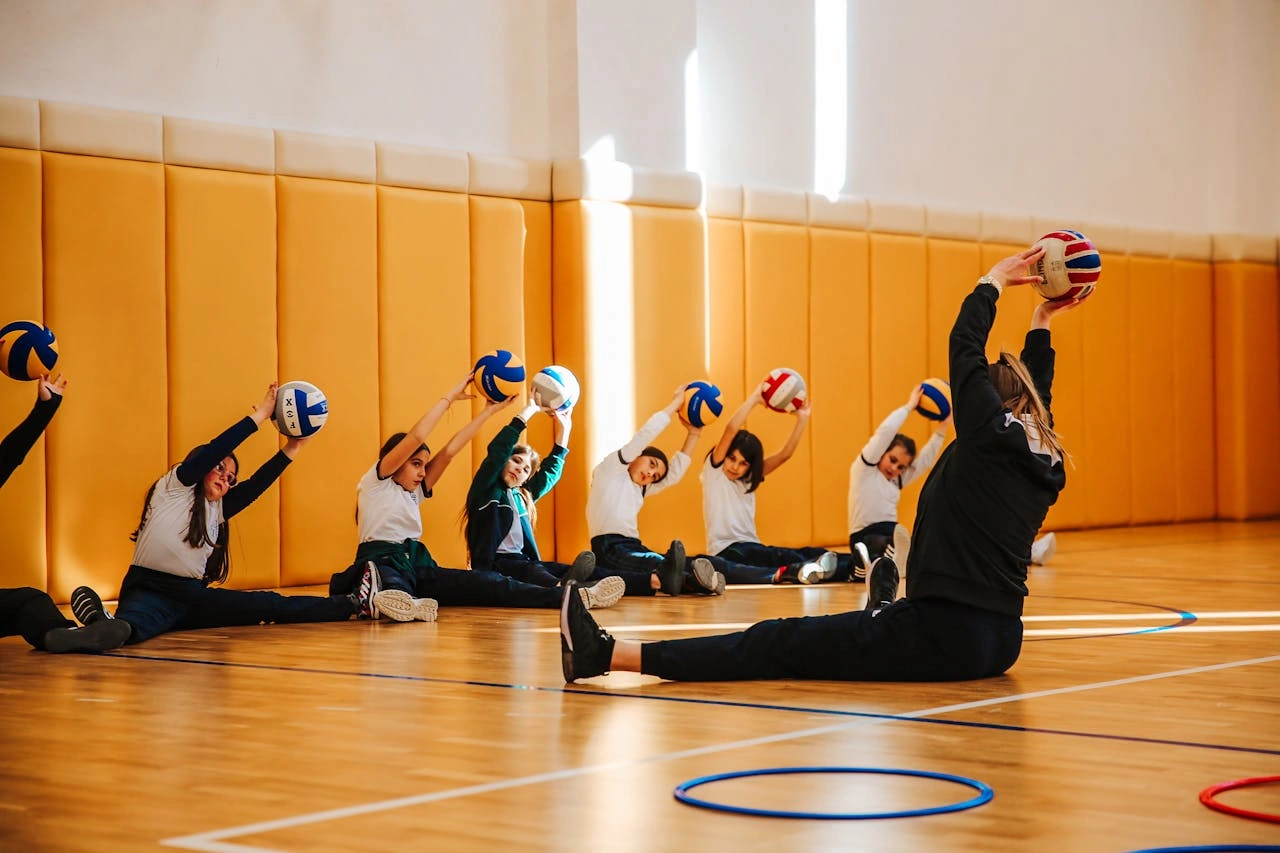
Running a sports training organization takes more than talent, passion, or a winning record. Many trainers and former athletes step into leadership roles believing that experience on the field alone will guarantee success. In reality, managing athletes, staff, finances, and long-term growth requires a very different skill set. From building trust with clients to creating structured programs and running operations smoothly, success depends on strong planning and informed decision-making.
This article breaks down some practical strategies that can help your organization grow stronger, operate smarter, and achieve consistent success.
Table of Contents
Define a Clear Vision and Training Philosophy
Every organization should start with a clear vision. Without direction, even talented coaches and motivated athletes can lose focus. Your vision should explain what your organization stands for, who you serve, and what kind of results you aim to deliver. This clarity helps guide daily decisions, from how you train athletes to how you manage your staff.
A defined training philosophy also brings consistency. When your coaching methods remain steady, athletes understand expectations and progress more effectively. Parents and clients gain confidence when they know what your program represents. A shared direction allows you to lead with purpose rather than reacting to challenges as they arise.
Strengthen Leadership Skills Through Formal Education
If you come from an athletic or coaching background, your experience gives you a strong foundation. However, running a sports training organization requires more than knowledge of the game. You must manage operations, finances, staffing, and long-term planning, all of which demand leadership skills beyond the field.
A formal education in sports administration helps you strengthen those skills. Well-reputed colleges such as Southeastern Oklahoma State University now offer an online Master’s in Sports Administration, enabling ambitious individuals to balance education with work.
The program allows you to study without stepping away from your organization. Coursework focuses on sports leadership, organizational management, and ethical decision-making, all of which directly support your role as a leader in sports training.
Hire Qualified Coaches Who Align With Your Values
Your coaches shape the experience athletes have within your organization. Hiring should go beyond technical ability. You need coaches who share your values, communicate clearly, and prioritize athlete development. A coach who does not align with your philosophy can disrupt consistency and weaken trust.
When your coaching staff shares the same approach, athletes receive consistent instruction and expectations. This alignment improves performance and strengthens your organization’s culture.
Build Structured and Scalable Training Programs
Structured training programs help you deliver consistent results. When your programs follow a clear framework, athletes understand their progress and coaches know exactly how to guide development. Your programs should address different ages and skill levels while maintaining a unified approach.
Scalability also matters as your organization grows. Well-organized training systems allow you to add athletes or expand locations without sacrificing quality. Clear benchmarks help you track progress and make adjustments when needed. This structure keeps your operations efficient and your training standards high.
Prioritize Athlete Safety and Well-Being
Athlete safety should always remain central to your training approach. Injury prevention, proper technique, and recovery practices protect athletes and strengthen trust with clients. Your programs should challenge athletes without pushing them beyond safe limits.
Well-being includes mental health as well as physical care. When you create a supportive environment, athletes stay motivated and engaged.
Create Strong Communication Systems
Clear communication keeps your sports training organization running smoothly. When athletes, parents, and staff know what to expect, misunderstandings decrease, and trust grows. You should communicate schedules, policies, and performance expectations in a way that remains easy to understand and consistent across all channels.
Regular feedback also plays a key role. Athletes improve faster when you explain progress and areas that need work. Parents appreciate transparency, especially when it comes to development timelines and commitments. Internally, strong communication helps your coaching staff stay aligned and accountable, which supports a professional environment.
Manage Finances With Discipline and Planning
Financial stability allows your organization to grow without unnecessary stress. You should track income and expenses carefully while setting clear pricing that reflects the value you provide. Understanding cash flow helps you prepare for slower seasons and unexpected costs.
Discipline matters when making financial decisions. Avoid spending on equipment or expansions that do not support your core goals. Planning ahead allows you to invest wisely in staff, facilities, and programs that strengthen long-term operations..
Invest in Facilities, Equipment, and Technology
Your training environment influences how athletes perceive your organization. Clean, safe, and functional facilities create confidence and support performance. You should invest in equipment that matches your training philosophy rather than chasing trends.
Technology can also improve efficiency. Scheduling platforms, performance tracking tools, and communication systems save time and reduce errors. Thoughtful investment helps you operate professionally while keeping costs under control. The goal remains to support athlete development without overextending resources.
Long-term success in sports training depends on how well you adapt, connect, and lead. By following these strategies you can create an organization that people trust and respect. Progress does not come from isolated efforts but from consistent choices that support athletes and operations alike. By staying intentional and responsive, you give your organization the ability to thrive in an increasingly competitive sports landscape.

