

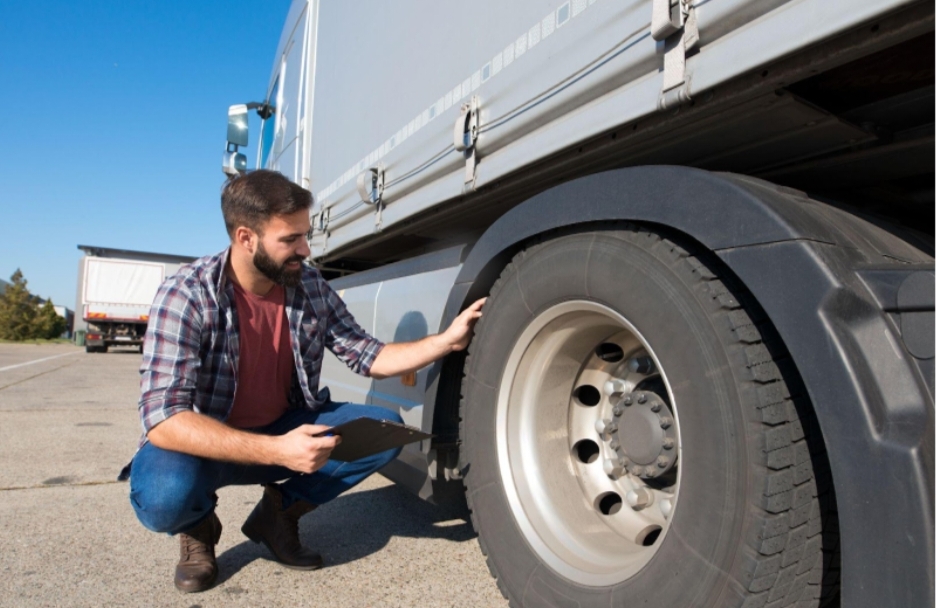
Choosing the right tires can make a huge difference in how your truck performs on the road. Whether you use your truck for work, travel, or adventure, having the perfect tires means better safety, fuel efficiency, and comfort. But with so many options out there, it can feel overwhelming to know which tires are best for your needs. In this blog, we’ll break down what to look for when picking tires, so you can boost your truck’s performance and enjoy every drive with confidence. Let’s get rolling!
Your Performance Blueprint Starts Here
Skip the brand hype. First, define what performance actually means for your workload.
What matters most to you?
Handling counts if you log serious highway miles where lane stability isn’t negotiable. Braking distance: wet, loaded, both, becomes life-or-death when you’re hauling cargo or pulling a trailer behind you. Towing stability lives or dies by sidewall stiffness because tongue weight and sustained speed create brutal stress. Comfort and noise? That’s tread pitch engineering and casing quality. Durability means resisting chips, cuts, and punctures when gravel roads and job sites are your office.
Drivers who need dependable strength and balanced road manners often turn to 235/85R16 tires for their solid load capacity and stable footprint. Keeping tires properly inflated and rotated further extends their lifespan and preserves consistent performance. Investing in well-matched tires not only boosts capability but also enhances safety and driving confidence in everyday and demanding conditions.
Match your actual driving
Daily commuter with weekend towing? You want highway comfort that doesn’t fold under occasional loads. Heavy towing or commercial duty demands max load range and serious heat tolerance. Off-road adventures, rocks, mud, sand, require aggressive tread and sidewalls that flex. Long highway hauls prioritize low rolling resistance to stretch fuel. Regional mixed routes need traction and durability that don’t trade one for the other.
Lock down the must-haves before brand shopping
Load index and ply rating come first. This is where you pick between LT-metric (light truck) and P-metric (passenger) construction. Speed rating matters for heat management, especially towing at 70 mph for hours. Tire construction, sidewall plies, belt package, bead durability, determines whether your tire survives a pothole or gives up.
Once your priorities and profile are clear, tire size becomes critical, because wrong dimensions erase every benefit you just mapped and can trigger mechanical chaos.
Size Unlocks Everything
Decode the sidewall
Width, aspect ratio, wheel diameter are basic, but load range letters (C, D, E, F) reveal how much weight the tire carries and sidewall stiffness. LT versus P-metric isn’t cosmetic, LT construction handles heavy loads and abuse, while P-metric rides softer but can’t sustain commercial stress.
Upsizing: the tradeoffs nobody mentions
Bigger tires give you ground clearance and a larger footprint, which helps off-road and looks mean. The downside? Heavier rotational mass kills braking and fuel economy. Oversized rubber can rub fender liners or suspension during hard turns or compression. Whatever size you consider, verify wheel width compatibility, load needs, and clearance before checkout.
Tire math nobody warned you about
Changing overall diameter throws off your speedometer, sometimes by 5+ mph. It also shifts effective gearing, making your truck sluggish or causing transmission hunting on grades. If you tow regularly or run significantly larger rubber, recalibration isn’t optional.
Size is the foundation, but tread pattern determines where your truck actually grips, and choosing between all-terrain and mud-terrain without understanding your surface mix is expensive.
Tread Patterns Change Everything
All terrain vs mud terrain truck tires: what wins where
Dry pavement favors all-terrain for steering precision and shorter stops. Wet pavement performance relies on hydroplaning resistance through wide grooves and siping. Snow and ice need heavy siping plus the 3PMSF (Three Peak Mountain Snowflake) certification. Mud demands deep lugs and self-cleaning voids. Gravel and rock require chip resistance and sidewall armor.
Use the terrain map
70% highway / 30% off-road? Go highway-terrain or mild all-terrain. 50/50 split? True all-terrain balances both worlds. 30% highway / 70% off-road? Mud-terrain makes sense despite noise and fuel penalties.
Winter without swapping sets
The 3PMSF symbol certifies severe-snow performance. The older M+S marking is weaker. Dedicated winter tires still dominate ice and emergency braking, but severe-snow-rated all-terrains offer a practical one-set answer for moderate winter regions.
Tread picks the category, but what’s under that tread, compounds, sidewall engineering, hidden tech, separates tires that perform under load from those that fail when stakes are high.
What’s Inside Matters More
Compound chemistry and heat
Silica-rich compounds dramatically improve wet grip. But towing generates heat through sustained load and speed, cycling rubber and accelerating wear. Harder compounds don’t always last longer if high torque scrubs them faster.
Sidewall engineering
Stiff sidewalls improve towing response and cut trailer sway. Flexible sidewalls boost off-road traction by conforming to terrain. Look for sidewall armor if sharp rocks or debris are routine.
Smart tire tech
The global performance tire market is projected to hit $25 billion by 2025, driven by demand for measurable advantages. One emerging trend is tire load measurement, which industry sources say is of immense value to trucks and fleets. Bluetooth valve-cap sensors and TPMS optimization catch slow leaks before blowouts, especially valuable for tow rigs running higher pressures.
Understanding construction is essential, but applying it to real towing and payload scenarios protects your investment, or sets you up for dangerous heat buildup and premature failure.
Load, Towing, Payload: Tires Under Pressure
Match load capacity to reality
Align tire load index with your truck’s GAWR (Gross Axle Weight Rating) for front and rear, then add real payload and tongue weight. Use load inflation tables to adjust pressure for towing versus empty days. Load range E isn’t always best, it can trash ride quality and traction when unloaded.
Heat management on long hauls
Underinflation generates heat, leading to tread separations and blowouts. Sustained speed plus heavy load accelerates wear dramatically. Check pressure cold before trips and do walkarounds at rest stops.
Proper load management keeps tires alive, now let’s focus on upgrades you can feel: shorter stops, confident wet grip, off-road traction without highway sacrifices.
Traction and Braking You’ll Actually Notice
Wet grip priorities
Wide grooves, heavy siping, and modern compounds combine to cut stopping distance in rain. Hydroplaning resistance depends on tread depth and design. New tires sometimes feel slippery the first 50 miles due to mold release, normal, and it disappears after break-in.
Off-road traction without sacrificing safety
Airing down increases contact patch and improves traction on sand or rocks, but don’t drop below minimum bead-retention pressure. Sidewall flex helps conquer obstacles but increases wheel protection needs.
Buying tires with great grip is half the battle, without smart maintenance, performance degrades fast, costing thousands in premature replacements.
Make Performance Last
Pressure strategy for real driving
Use door-jamb pressure for daily driving, not max sidewall numbers. Increase pressure for towing based on load inflation tables. Temperature swings cause pressure drift, check monthly and before trips.
Rotation prevents uneven wear
Four-wheel-drive trucks typically use cross-rotation unless tires are directional. Rotate every 5,000–7,000 miles to prevent irregular wear, which kills traction and increases noise.
You now have the knowledge to choose and maintain high-performance truck tires, here’s your final checklist to turn specs into a confident purchase.
Make the Right Call
Choosing truck tires isn’t about brand recognition, it’s about matching size, load capacity, tread, and construction to how you actually use your truck. The right tires deliver measurable safety improvements, better fuel economy, and performance you’ll feel every time you brake, corner, or tow. Start with your use profile, verify specs against requirements, and don’t skip maintenance habits that keep performance consistent. When you approach tire selection as an investment in capability rather than just replacement, you’ll spend less over time and drive with confidence in any condition.
Your Questions Answered
Which tires stop fastest, highway, all-terrain, or all-weather?
Highway tires typically win on dry pavement. All-weather tires excel in mixed conditions, especially wet and light snow.
Are all-terrain tires safe in snow without chains?
All-terrain with 3PMSF meets severe-snow standards and is safe in moderate winter. Chains become necessary on steep grades, ice, or when legally required.
Are 235/85R16 tires good for towing and payload?
For compatible trucks, 235/85R16 tires can be excellent for towing and payload because they often provide high load capacity and stable handling. Verify wheel width range (typically 6–7), check clearance at full lock, and confirm load range meets GAWR requirements.

