

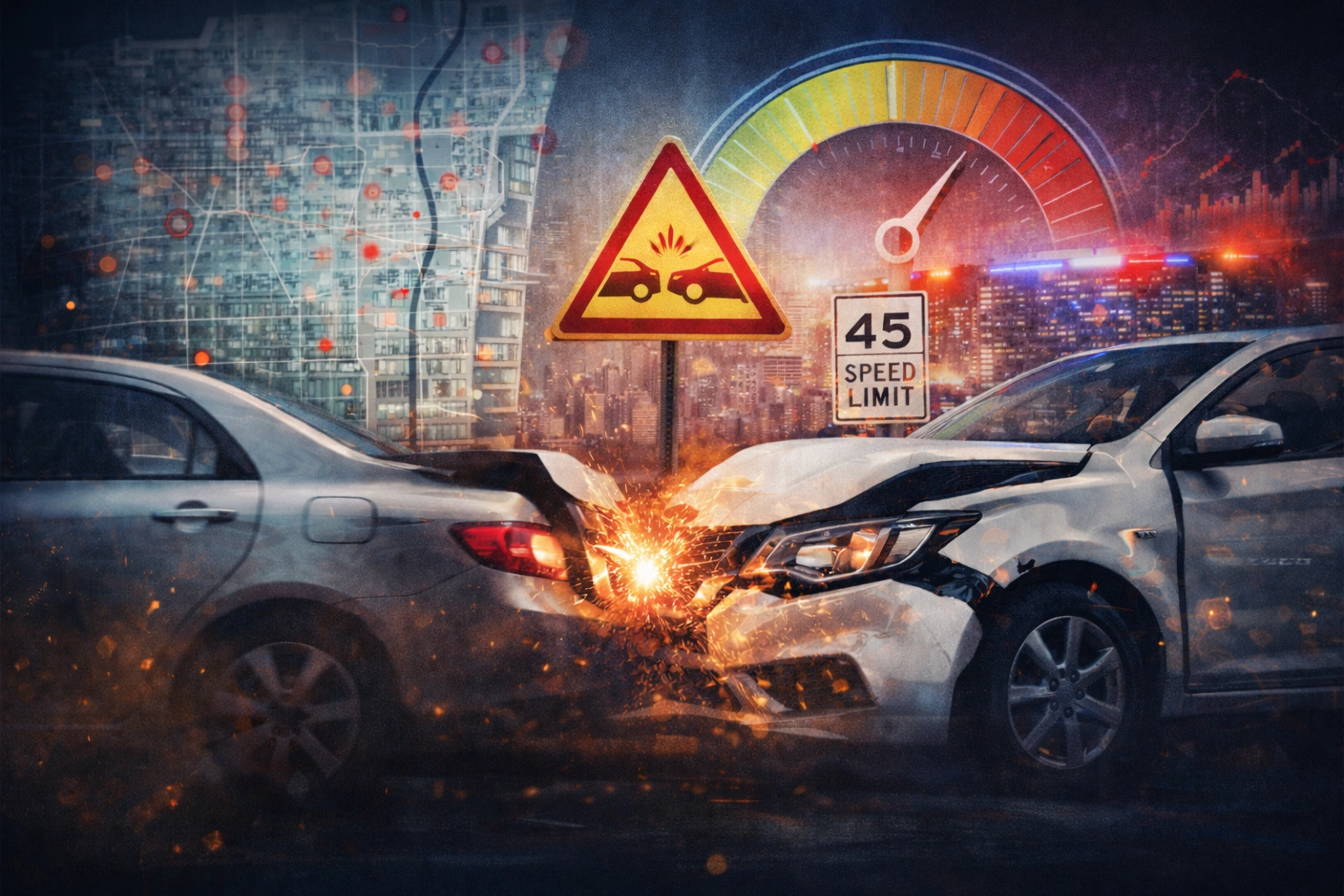
Driving through the sun-drenched streets of Fort Lauderdale offers a scenic view that masks the underlying complexities of daily traffic flow in South Florida. The mix of local commuters, vacationing tourists, and heavy freight creates a unique set of challenges for every person behind the wheel today.
Intersections that seem routine during the quiet morning hours quickly transform into hazardous zones as the volume of vehicles begins to swell. Navigating this environment requires a deep understanding of how local conditions change based on the season and the time of day.
Analyzing the patterns of previous collisions helps drivers identify where the greatest risks exist on their daily routes. By looking at the official car accident statistics, residents can better anticipate the dangers that hide in plain sight during their travels. It is a vital tool.
This data becomes especially important when you consider that Broward County experiences over 40,000 traffic accidents each year, highlighting just how common collisions are in the region. Awareness of these trends allows Fort Lauderdale drivers to make smarter choices, adjust their routes when possible, and reduce their exposure to high-risk areas.
Table of Contents
High-Risk Areas
Certain corridors consistently appear as hotspots for collisions due to their high volume and complex merging lanes. Intersections along Sunrise Boulevard and Federal Highway are known for frequent incidents that disrupt the flow of commerce and create significant delays for everyone. These areas require a high level of alertness.
These areas often suffer from a combination of high speed limits and frequent turn-offs into shopping centers or residential neighborhoods. The constant stop and go nature of the traffic increases the likelihood of rear-end impacts and side-swipe maneuvers between busy drivers. It is a recipe for chaos.
Highway interchanges like the I-95 junctions present their own set of difficulties for those unfamiliar with the local exit patterns. Confused drivers attempting last second lane changes often trigger multi-car events that have long lasting repercussions for the safety of the entire community. Staying in the correct lane is mandatory.
Time-Based Trends
The risk of an incident fluctuates significantly throughout the week, peaking during the traditional morning and evening rush hours. As workers hurry to reach their offices or return home, the margin for error shrinks, leading to a rise in aggressive and unpredictable driving habits. Patience is rarely found.
Weekend nights introduce a different set of hazards, often involving higher speeds and a potential increase in impaired operators. The nightlife scene in the downtown area contributes to a surge in traffic during the late hours when visibility is reduced and reaction times are slower. This requires extra care.
Seasonal variations also play a role, as the arrival of winter residents and spring break crowds puts extra strain on the infrastructure. These periods of high density require a much higher level of vigilance from those who use the roads every single day for work. The cycles are very predictable.
Common Causes
Distracted driving remains the leading cause of avoidable collisions in the region, with smartphones acting as the primary culprit for many. Taking eyes off the road for even a few seconds at high speed means traveling a vast distance without any real visual control. It is a gamble.
Excessive speed is another major factor that turns minor mistakes into catastrophic events that require emergency medical intervention. High velocities reduce the time a driver has to react to a sudden hazard, such as a car stopping abruptly or a pedestrian crossing. It makes every single impact much worse.
Failure to yield the right of way at busy intersections leads to some of the most severe side-impact crashes in the city. Many people misjudge the speed of oncoming traffic or ignore signals in an attempt to save a few seconds during their busy commute. This behavior is dangerous.
What Data Can’t Show
While official reports provide a solid baseline, they fail to capture the thousands of near-misses that occur every day. For every reported collision, there are dozens of instances where a driver managed to swerve or brake just in time to avoid a very serious impact. These events go unrecorded.
Minor fender benders that are settled privately also escape the official record, potentially making some streets look safer than they truly are. This gap in the data means that local knowledge and intuition are just as important as the numbers found on a spreadsheet. Real danger is often hidden.
The emotional trauma and psychological weight of a crash are also invisible to the analysts who study the patterns of metal and glass. Data can measure the cost of a bumper, but it cannot quantify the fear that remains with a survivor for many years. Recovery is a journey.
Also Read : Breaking Down the RFP Response Process: Where Most Teams Lose Deals (and How to Fix It)
Conclusion
Synthesizing the lessons learned from traffic patterns allows for a more proactive approach to road safety for all residents. Recognizing the times and locations of highest risk gives drivers the power to adjust their habits and avoid potential tragedies before they even have a chance. It is empowering.
Improving the safety of the community is a shared responsibility that starts with every individual behind the wheel making better choices. By slowing down and staying focused, the collective risk for the entire city can be significantly reduced over the next few years. Effort from everyone is needed.
Ultimately, the goal is to create a future where every commute is uneventful and every person arrives safely at their destination. Staying informed about the realities of the road is the best way to ensure that you and your family are protected from harm. Safety is always the priority.

