

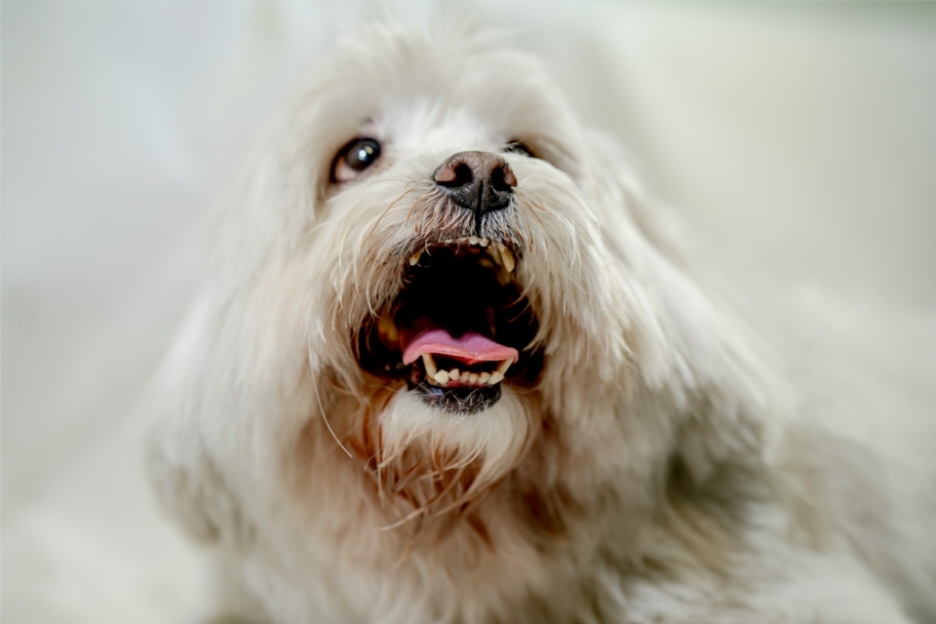
If you’ve ever leaned in for a kiss from your dog and immediately recoiled, you already know one of the most common signs of dental disease. Bad breath is the gateway symptom for almost every canine oral health issue, and it’s also the most ignored.
Most pet parents brush it off as normal “dog breath,” but it’s rarely normal. It’s usually a signal that something is happening below the gumline.
Dental disease is one of the most common health issues in dogs, and it progresses quietly. By the time obvious symptoms appear, periodontal damage is already underway. Catching the early signs and supporting your dog with daily care and quality dental chews makes a huge difference in long-term oral health.
Here are eight signs worth paying attention to.
1. Persistent Bad Breath
This is the most common sign of canine dental disease. Bad breath is caused by bacteria building up in the mouth, often on the teeth and below the gumline. The smell is a direct indicator of bacterial overgrowth, which is likely contributing to gingivitis or worse.
If your dog’s breath has become noticeably foul recently, it’s worth taking a closer look at their mouth and scheduling a vet visit. Healthy dog breath should be relatively neutral, not aggressively unpleasant.
2. Yellow or Brown Tartar Buildup
Tartar is hardened plaque that appears as yellow, brown, or even grayish deposits along the gumline. Once tartar forms, it can’t be removed by brushing alone. It requires a professional dental cleaning to be removed safely.
Mild tartar might just look like discoloration. Heavy tartar buildup can completely coat the teeth and push against the gums, accelerating inflammation. Lifting your dog’s lip and examining the teeth gives you a quick check on tartar progression.
3. Red, Swollen, or Bleeding Gums
Healthy gums should be a uniform pink color, firm to the touch, and free of swelling. Gingivitis, the first stage of periodontal disease, shows up as redness or puffiness along the gumline, especially at the base of the teeth.
Bleeding gums during chewing, brushing, or eating hard food are a more advanced warning sign. Bleeding indicates active inflammation and bacterial infection, and it usually means dental disease has already moved past the earliest stage.
4. Difficulty Eating or Dropping Food
Dogs with painful mouths often change their eating habits. They might chew more slowly, drop kibble repeatedly, prefer one side of their mouth, or hesitate before starting their meal. Some dogs stop eating hard food altogether and only accept soft food or treats.
These changes are easy to miss because they happen gradually. If you notice your dog approaching meals differently, oral pain could be the underlying cause.
5. Pawing at the Mouth or Face
A dog who frequently paws at their mouth, rubs their face on the carpet, or shakes their head more than usual may be trying to relieve oral discomfort. This behavior often happens after meals or after chewing on toys that aggravate sore gums or loose teeth.
Some dogs also drool more when they have dental pain, especially if a tooth root abscess is developing. Excessive or sudden drooling, particularly if accompanied by a foul odor, warrants a vet visit.
6. Loose, Broken, or Missing Teeth
Adult dogs should not have loose teeth. A loose tooth in an adult dog almost always indicates advanced periodontal disease, where the bones and ligaments supporting the tooth have eroded.
Broken or fractured teeth are also serious. They can expose the inner pulp and lead to pain, infection, and tooth death if not addressed.
7. Behavioral Changes
Dental pain affects mood. A dog who has become more withdrawn, irritable, or less interested in normal activities may be silently dealing with oral discomfort. Some dogs become reluctant to play with toys they used to love, especially chew toys, because biting down hurts.
Aggression when the mouth is touched, including refusing to let you brush their teeth or look in their mouth, is another clear sign that something is wrong. Dogs who used to tolerate handling and now resist are often experiencing pain.
8. Visible Facial Swelling
Swelling along the jaw, under the eyes, or anywhere on the face is a serious sign that should prompt an immediate vet visit. This can indicate a tooth root abscess or a significant infection that has spread beyond the gums into the surrounding tissue.
Prevention Is Easier Than Treatment
The best dental care for dogs is preventive rather than reactive. Daily brushing with dog-safe toothpaste, regular dental chews, professional cleanings on the schedule your vet recommends, and annual oral exams catch problems early when they’re easy to address.
Once periodontal disease sets in, it’s not reversible. Teeth can be extracted, infections can be treated, and damage can be managed, but the supporting bone and tissue don’t grow back. Catching the signs early and committing to ongoing dental care keeps your dog comfortable, healthy, and ready to greet you with the kind of breath you can actually live with.

