

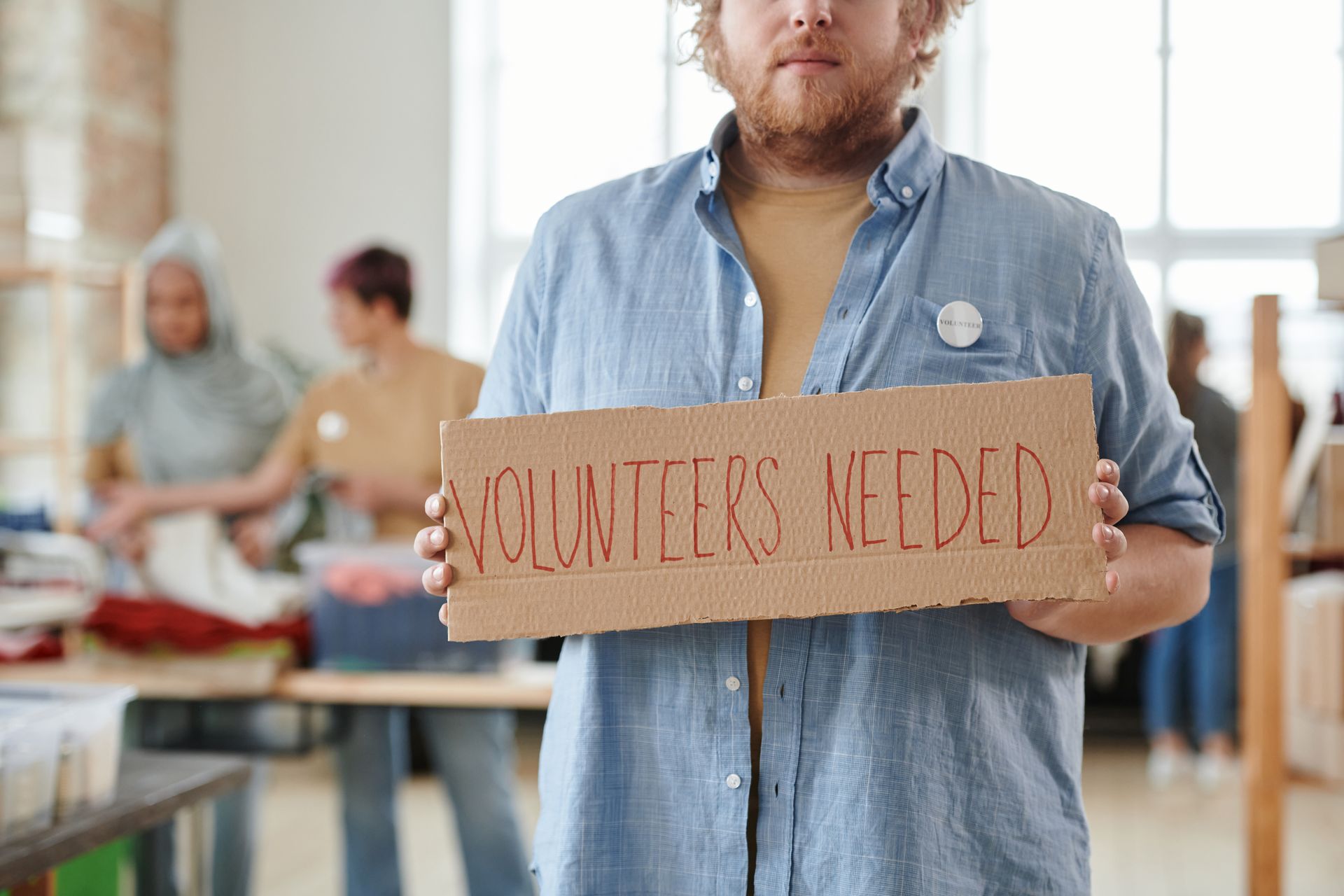
Volunteer work doesn’t really look like one fixed thing anymore. It shifts depending on people’s time, energy, and sometimes just what life looks like that week.
In places like West Palm Beach, it can be something planned in advance… or something more casual such as showing up for a few hours, helping where needed, then going back to normal routine. There isn’t always a formal “volunteer identity” attached to it anymore. That’s probably why it’s useful to break it down, not to over-explain it, but just to see how different it can actually be.
Table of Contents
Skills-Based Volunteering
Some volunteering doesn’t look like volunteering at all. It might be someone fixing a broken website for a nonprofit. Or helping them figure out basic accounting so things don’t fall through the cracks. Or even offering legal or HR advice when an organisation is stretched too thin. It’s less visible, but often it’s the kind of help that prevents bigger problems later.
There’s a reason many organisations now actively look for this kind of support instead of only physical volunteers. It scales differently. It lasts longer. Global programs like the United Nations Volunteers initiative are built around this idea of using skills where they actually matter.
Direct Service Volunteering
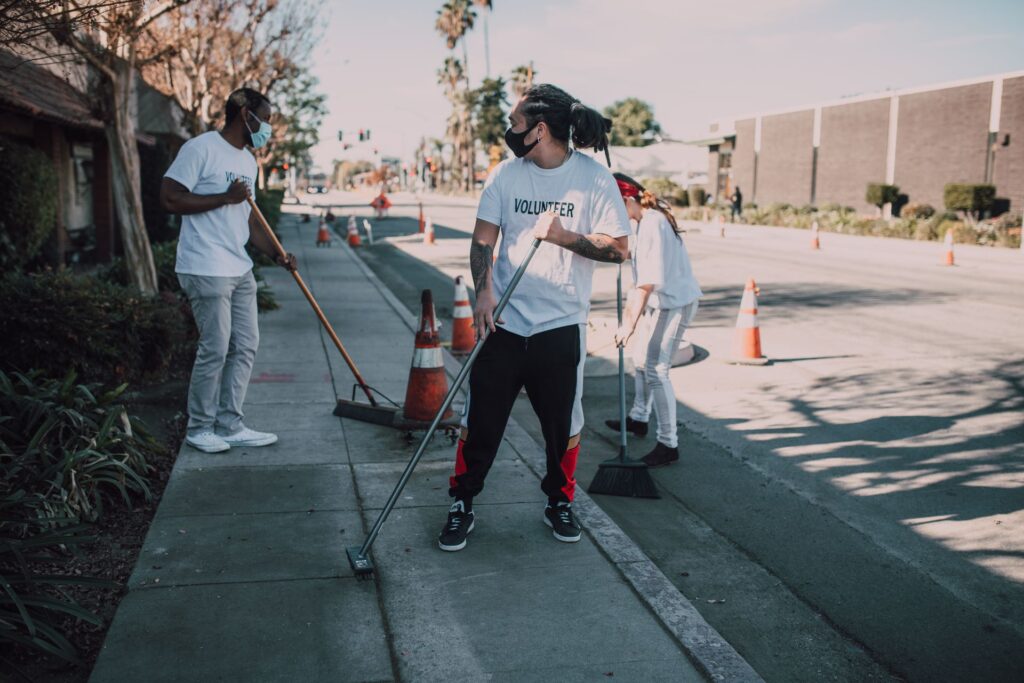
This is the most familiar version. Serving food. Helping at shelters. Tutoring kids after school. Cleaning up a park after a community event. It’s direct, and you can usually see the outcome immediately which is part of why people still gravitate toward it.
There’s also something very grounding about it. A few hours can feel very simple, but in practice it often fills real gaps in people’s day-to-day lives. Organisations like the American Red Cross depend heavily on this kind of support, especially when things go wrong quickly and extra hands matter.
Also read: How Digital Signage Is Transforming Mobility
Virtual and Micro Volunteering
Not everyone has a free afternoon to show up somewhere. That’s probably why so much volunteering has quietly moved online. It could be translating a document. Helping a non-profit reply to messages. Or mentoring someone over a video call. Sometimes it’s only a 10-15-minute task.
Micro-volunteering takes that even further. Breaking work into small actions so people can help without rearranging their whole day. They work well in daily lives especially now that remote work and flexible schedules are so common.
Episodic Volunteering
Then there are the one-off moments. A marathon. A health camp. A cultural festival. A donation drive that only runs for a weekend.
People show up, do what needs to be done such as registration desks, guiding attendees, and logistics support and then step back again. These events depend on that kind of short-term help more than people realise. Without it, they simply don’t run smoothly. And for many people, this is actually where volunteering starts. Low pressure, no long commitment, just a few hours.
Advocacy Volunteering
Not all volunteering involves being on-site or doing physical tasks. Some of it is about awareness such as sharing accurate information, supporting campaigns, helping petitions reach more people, or simply keeping important issues visible. It doesn’t always look like much from the outside. But it shapes how communities talk about problems over time.
Structure Matters More Than People Think
One thing that becomes clear pretty quickly is this: good intentions aren’t enough on their own. Without structure, volunteer efforts can get scattered or inconsistent. People drop off, or work overlaps, or energy just fades. That’s why organised networks matter. They match people with the right tasks and keep things sustainable instead of chaotic. This is where organisations like UKIM fit in, showing how coordinated volunteer systems can support education, welfare, and humanitarian work in a more stable way.
Closing Thought
Volunteer work today doesn’t sit in one category anymore. Sometimes it’s a few hours. Sometimes it’s a skill used quietly in the background. Sometimes it’s just small online tasks done in spare moments. And maybe that’s the real shift, not how formal it is, but how much more it blends into everyday life now.

