

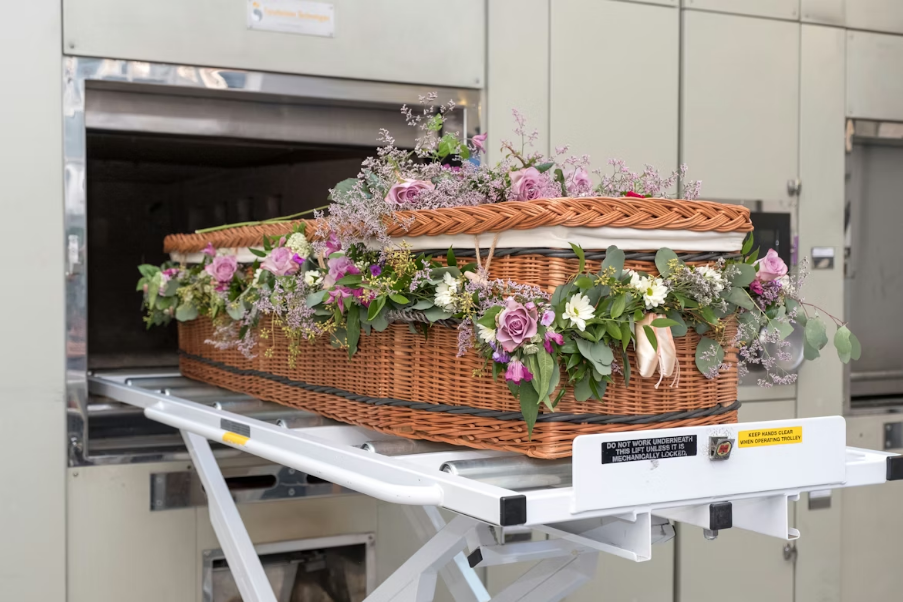
There’s a quiet shift happening in how people approach funerals. It’s not loud or dramatic, but it’s unmistakable. More families are stepping away from traditional, ceremony-heavy services and choosing something far simpler: direct cremation.
In many cases, this includes options like no-service, no-attendance cremations, where the process is handled privately without a formal gathering. For some, that might sound impersonal at first. But for a growing number of families, it’s the opposite. It’s a deliberate choice—one that reflects changing values, modern lifestyles, and a different way of thinking about grief and remembrance.
So why is this approach gaining traction?
A Shift Away From Formality
Traditional funerals have long followed a familiar structure: a viewing, a service, a procession, and a burial or cremation. For decades, that format provided a sense of order during a chaotic time.
But today, many people are questioning whether that structure still fits.
Families are more geographically spread out. Beliefs are more diverse. And there’s less expectation to follow convention for its own sake. What once felt necessary can now feel like pressure—especially when emotions are already running high.
Direct cremation removes that pressure entirely. It allows families to pause, breathe, and decide later how (or if) they want to mark the occasion.
The Appeal of Simplicity
At its core, direct cremation is straightforward. There’s no ceremony tied to the cremation itself. The process is handled professionally and respectfully, but without the added layers of scheduling, organising, and coordinating a traditional service.
That simplicity is exactly what draws people in.
Instead of rushing to plan an event within days, families can take their time. They might choose to hold a memorial weeks or even months later. Or they might opt for something informal—a gathering at home, a dinner with close friends, or a meaningful trip to scatter ashes in a special place.
The focus shifts from “getting it right” to making it personal.
Cost Transparency and Control
Another major factor is cost.
Traditional funerals can be expensive, and not always in ways people expect. Venue hire, transport, flowers, printed materials, and catering all add up quickly. In the midst of grief, families often feel obligated to say yes to everything.
Direct cremation strips things back. Without the added components of a formal service, the overall cost is significantly lower and far more predictable.
This doesn’t mean families value their loved one any less. If anything, it often allows them to allocate resources more meaningfully—whether that’s creating a personalised memorial later, supporting family members, or simply avoiding unnecessary financial stress during an already difficult time.
Flexibility in How You Say Goodbye
One of the biggest misconceptions about direct cremation is that it removes the opportunity to say goodbye.
In reality, it does the opposite.
By separating the cremation from the ceremony, families gain flexibility. They’re no longer tied to a specific timeline or location. This opens up far more creative and personal ways to honour someone’s life.
Some families organise a celebration of life in a setting that truly reflects the person—like a beach, a garden, or even a favourite restaurant. Others create small, private moments instead of a large gathering.
There’s also a growing trend toward multiple, smaller memorials, especially for families spread across different cities or countries. Direct cremation makes this possible without duplicating costs or logistics.
Changing Attitudes Toward Tradition
It’s worth acknowledging that attitudes toward death and funerals are evolving.
Younger generations, in particular, tend to place less emphasis on tradition and more on authenticity. They’re less likely to feel bound by what’s “expected” and more interested in what feels right.
That might mean no formal service at all. Or it might mean replacing a traditional funeral with something that better reflects the individual—music, storytelling, shared experiences.
Direct cremation aligns naturally with this mindset. It removes the default structure and gives families the freedom to create something that feels genuine, rather than prescribed.
Less Pressure During an Emotional Time
Grief is unpredictable. It doesn’t follow a neat timeline, and it certainly doesn’t make planning easier.
One of the understated benefits of direct cremation is the reduction in immediate pressure. There’s no urgent need to organise a large event within a few days. No decisions about guest lists, venues, or schedules while emotions are still raw.
Instead, families can focus on what matters most in those first days: being together, processing the loss, and supporting one another.
Any form of memorial or gathering can come later, when there’s more clarity and emotional space to approach it thoughtfully.
A More Private Approach
For some, privacy plays a significant role.
Not everyone feels comfortable with a public farewell. Large gatherings can feel overwhelming, especially for those who prefer to grieve quietly or within a close circle.
Direct cremation offers that privacy. It allows families to keep the process intimate, without external expectations or obligations.
This doesn’t mean excluding others—it simply means choosing how and when to involve them, rather than feeling obligated to host a traditional service.
Is It the Right Choice for Everyone?
Direct cremation isn’t a one-size-fits-all solution.
For some families, a traditional funeral provides structure, ritual, and a sense of closure that feels important. There’s value in that, and it shouldn’t be overlooked.
But for others, simplicity feels more aligned with their values and circumstances.
The key difference is choice.
Where previous generations often followed a set path, today’s families have more options—and more freedom to decide what works best for them.
Redefining What a Farewell Looks Like
At its heart, this shift toward direct cremation reflects something broader.
It’s about redefining what a farewell can look like.
Instead of focusing on a single event, families are exploring more flexible, meaningful ways to honour a life. That might happen over time, in different places, and in ways that feel deeply personal.
Direct cremation doesn’t remove meaning from the process. If anything, it creates space for more of it—on terms that feel right for the people involved.
And that, ultimately, is why more families are choosing simplicity.

