

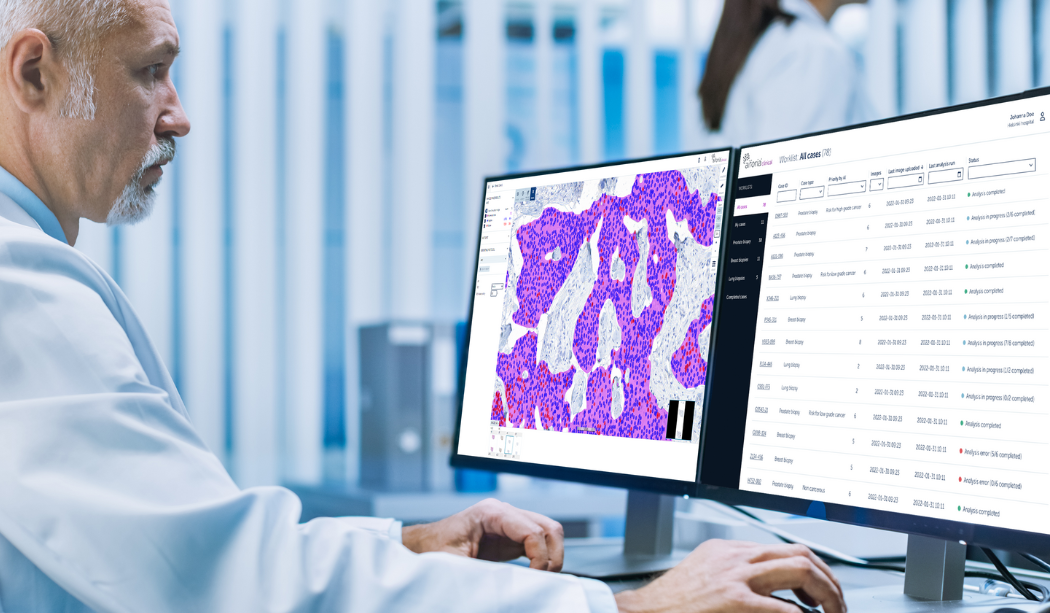
Accurate pathology reporting is essential for clinical decision-making, patient safety, and efficient laboratory operations. As case volumes grow and diagnostic complexity increases, laboratories face mounting pressure to deliver precise, timely reports while maintaining compliance and consistency. This is where anatomic pathology software plays an important role, helping address longstanding challenges that can impact reporting accuracy and workflow efficiency.
Understanding these challenges provides insight into why digital tools have become central to modern pathology operations.
Manual Data Entry and Transcription Errors
One of the most common issues in pathology reporting is the risk of human error during manual data entry. Transcription mistakes, mismatched specimen identifiers, and incomplete documentation can lead to reporting inaccuracies that require time-consuming corrections.
Digital pathology systems help reduce these risks by standardizing data capture, minimizing repetitive manual entry, and ensuring that information flows consistently from specimen accessioning through final report generation.
Fragmented Workflows and Information Silos
Pathology workflows often involve multiple stages and contributors, from specimen collection to diagnosis and reporting. When systems are fragmented or disconnected, information can become siloed, leading to delays or miscommunication.
Integrated software solutions centralize case data, images, and annotations in one system. This allows pathologists and lab staff to access complete case information without switching between platforms, supporting smoother collaboration and clearer reporting.
Increasing Case Complexity
Modern pathology frequently involves complex diagnostic criteria, ancillary testing, and detailed documentation requirements. Managing this complexity with paper-based or basic digital tools can increase the likelihood of omissions or inconsistencies.
Structured reporting templates and configurable workflows help ensure that all required elements are captured consistently. These tools support thorough documentation while still allowing flexibility for case-specific details.
Turnaround Time Pressures
Faster turnaround times are a priority for healthcare providers and patients alike. Bottlenecks in reporting can delay diagnoses and impact downstream care decisions. Automation features such as task routing, status tracking, and prioritized case queues help laboratories manage workloads more effectively. By reducing administrative delays, reporting timelines become more predictable and efficient.
Compliance and Standardization Challenges
Pathology laboratories must adhere to regulatory requirements, accreditation standards, and internal quality controls. Inconsistent reporting formats or missing documentation can create compliance risks.
Digital systems support standardized report structures, audit trails, and version control. These features make it easier to demonstrate compliance, track changes, and maintain consistent reporting practices across cases and users.
Supporting Accuracy Without Adding Complexity
A key benefit of modern pathology software is its ability to enhance accuracy without overburdening users. Intuitive interfaces, guided workflows, and automation reduce cognitive load while supporting detailed, accurate reporting. When technology aligns with real-world pathology workflows, it becomes a tool that supports clinical expertise rather than complicating it.
Final Thoughts
Improving reporting accuracy requires addressing challenges related to manual processes, workflow fragmentation, compliance demands, and growing case complexity. Anatomic pathology software helps laboratories meet these challenges by streamlining workflows, reducing errors, and supporting consistent, high-quality reporting.
As pathology continues to evolve, digital tools that enhance accuracy and efficiency will remain essential for delivering reliable diagnostic information that supports patient care and operational excellence.

