

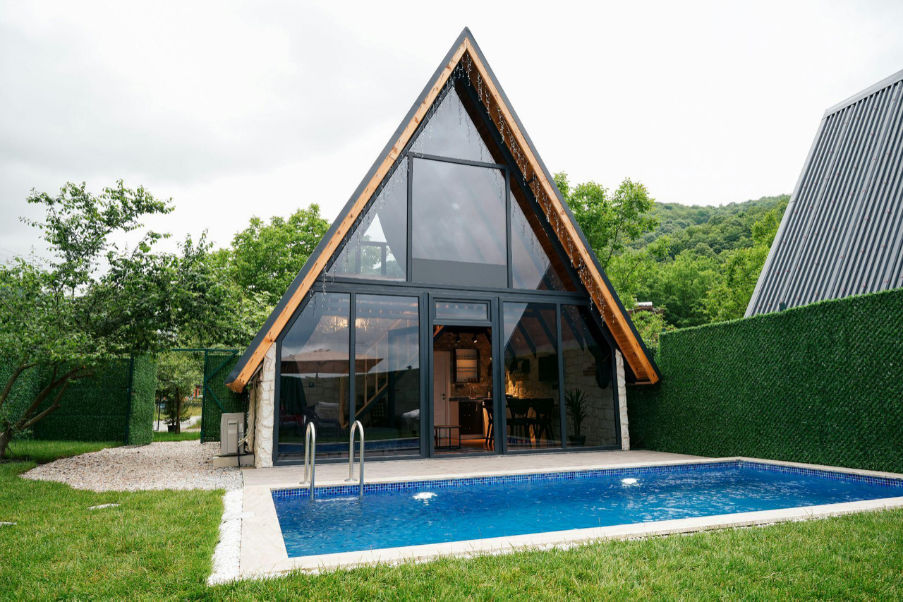
Not that long ago, the backyard was a fairly predictable space. A patch of grass, maybe a barbecue, and enough room for a shed that slowly filled with things no one really needed. Today, that same space is being reimagined—transformed into something far more functional, valuable, and surprisingly strategic.
Backyard living has evolved into a genuine extension of the home. It’s no longer just about having extra room—it’s about creating independent, adaptable spaces that serve a clear purpose. Whether that’s accommodating family, generating income, or simply reclaiming control over how a property is used, the shift is undeniable.
Part of this change is driven by how people now approach housing. Instead of upsizing or relocating, many are looking inward—at what they already own and how it can work harder. That’s where concepts like a granny flat complete package come into play. Rather than piecing together a build through multiple contractors, homeowners are increasingly drawn to streamlined solutions that turn underused land into fully functioning living spaces with minimal friction.
A Shift in How We Think About Space
What’s interesting about this trend is that it’s not just about square metres—it’s about separation.
There’s a growing appreciation for having distinct zones for different parts of life. Work, rest, family time, and personal space are no longer expected to coexist under one roof without friction. Backyard dwellings offer a clean solution: close enough to remain connected, but separate enough to feel independent.
This is particularly relevant in a world where remote work is common. A dedicated structure in the backyard can function as an office that actually feels like a place you “go to,” even if your commute is 10 seconds across the lawn. That mental shift alone can dramatically improve productivity and boundaries.
Multi-Generational Living, Reimagined
Another major driver behind backyard living is the return of multi-generational households—but with a modern twist.
Instead of squeezing everyone into a single house, families are opting for proximity without overlap. Parents can live close to their adult children. Young adults can stay connected to home while maintaining autonomy. Even extended family visits become easier to manage when there’s a self-contained space available.
The key difference today is that independence is non-negotiable. People want their own kitchens, bathrooms, and living areas. Backyard dwellings provide exactly that—allowing families to stay close without stepping on each other’s routines.
From Spare Land to Strategic Asset
What used to be considered “unused space” is now being viewed through a financial lens.
Homeowners are beginning to recognise that their backyard isn’t just land—it’s potential. A well-designed secondary dwelling can open up entirely new income streams, whether through long-term tenants or short-term accommodation.
Even beyond rental income, there’s a broader impact on property value. Buyers are increasingly drawn to homes that offer flexibility. A property with an additional self-contained space appeals to a wider market, from investors to families looking for adaptable living arrangements.
It’s not just about adding something—it’s about adding something that solves multiple problems at once.
Design That Prioritises Independence
One of the most noticeable changes in backyard builds is how thoughtfully they’re designed.
This isn’t about squeezing a structure into a corner of the block. The focus has shifted toward creating spaces that feel intentional—almost like a standalone home in miniature. That means smart layouts, natural light, and a strong connection between indoor and outdoor areas.
Privacy is also a major consideration. Strategic placement, landscaping, and entry points all play a role in ensuring that both the main home and the secondary dwelling feel separate. When done well, the two spaces coexist without competing.
There’s also a growing emphasis on quality. These aren’t temporary solutions—they’re long-term additions to the property. Materials, finishes, and functionality all reflect that mindset.
Flexibility Is the Real Value
If there’s one theme that ties all of this together, it’s flexibility.
Backyard living isn’t about solving a single problem—it’s about creating options.
A space that starts as a home office can later become a rental. A guest house can evolve into a long-term residence for a family member. A private studio can turn into a creative workspace or even a small business hub.
This adaptability is what makes backyard developments so appealing. They’re not locked into one purpose. Instead, they evolve alongside the people using them.
And in a housing landscape that’s constantly changing, that kind of flexibility is incredibly valuable.
A Response to Broader Housing Pressures
It’s impossible to ignore the bigger picture. Rising property prices, limited housing availability, and shifting lifestyle expectations have all contributed to the rise of backyard living.
For many, traditional pathways—like buying a larger home or moving to a different area—aren’t as accessible as they once were. Backyard developments offer an alternative. They allow people to expand their living capacity without leaving their existing location.
This is particularly important in established neighbourhoods, where access to schools, transport, and community networks already exists. Instead of moving away from these advantages, homeowners can build within them.
The Emotional Side of Space
Beyond the practical and financial benefits, there’s also a more subtle shift happening—one that’s harder to quantify.
People are becoming more intentional about how they use their space. There’s a growing awareness that the environment we live in directly affects how we feel, work, and connect with others.
Having access to a separate, self-contained space can reduce tension within households. It creates breathing room—both physically and mentally. It allows for moments of privacy without isolation.
In that sense, backyard living isn’t just about adding structure. It’s about improving quality of life.
Where This Trend Is Heading
Backyard living isn’t a passing trend—it’s a reflection of deeper changes in how we approach housing.
As cities become denser and lifestyles more fluid, the demand for flexible, self-contained spaces will only grow. What we’re seeing now is likely just the beginning.
Future designs will become even more refined. Approval processes may evolve to accommodate demand. And homeowners will continue to look for ways to make their properties work harder for them.
The backyard, once overlooked, is now at the centre of that conversation.
Final Thoughts
The rise of backyard living signals a broader shift in priorities. Space is no longer measured purely in size—it’s measured in usefulness, adaptability, and independence.
What was once considered extra is now essential. And for many homeowners, the most valuable part of their property isn’t the house itself—it’s what’s sitting just beyond it.

