

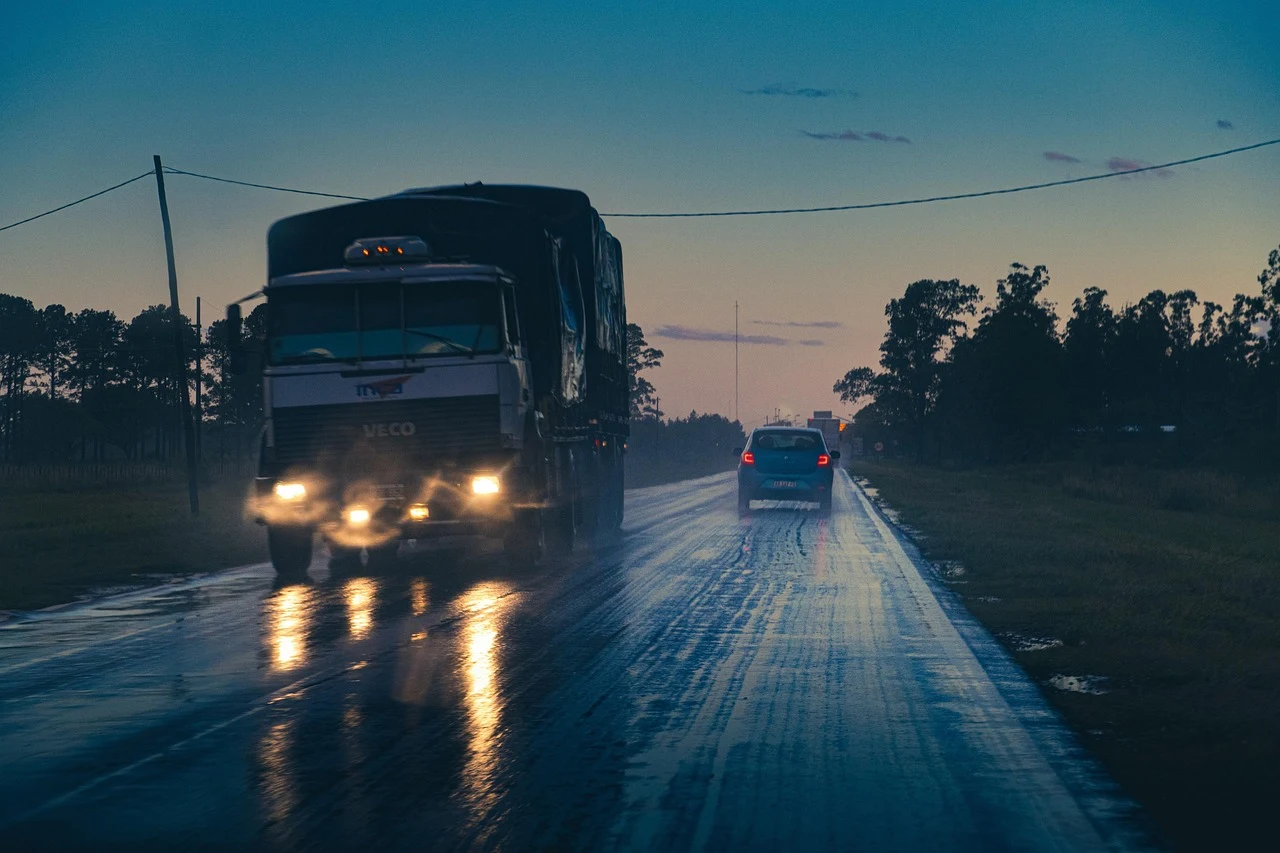
The presence of delivery vehicles on modern roads has increased significantly due to the rapid growth of the e-commerce industry. While these trucks provide essential services by bringing goods directly to consumers, they also introduce specific risks that are not found with standard cars. Every residential neighborhood now hosts several large vans daily.
The sheer volume of these vehicles creates a high-density environment where intersections and narrow streets become more hazardous for everyone. Unlike traditional freight trucks that stay on highways, these delivery vans must navigate tight corners and frequent stops. This operational difference changes the nature of the risks faced by commuters.
Determining who is at fault in these complex incidents requires a thorough understanding of commercial vehicle regulations and corporate policies. Many people find that legal claims involving Fedex and UPS accidents require a specialized approach to address the unique logistical and legal factors involved. This knowledge is essential for a fair recovery.
Vehicle Size and Design Impact
The massive dimensions and heavy construction of delivery trucks create significant handling challenges that can catch other drivers by surprise. Because these vehicles are often tall and narrow, they have a much higher center of gravity compared to passenger cars. This makes them significantly more prone to rollovers.
Large vans also feature extensive blind spots that can completely obscure a motorcycle or a compact car from the driver’s view. Furthermore, the immense weight of a fully loaded cargo area means that the vehicle requires a much longer distance to come to a complete stop. This physical reality is dangerous.
In the event of a collision, the transfer of kinetic energy from a heavy truck to a light car is often devastating. The structural differences between the two vehicles mean that the occupants of the smaller car suffer far more severe injuries. Understanding these physical dimensions is key to road safety.
Pressure from Delivery Schedules
Logistics companies rely on sophisticated software and strict performance metrics to ensure that every package arrives at its destination on time. This creates an environment where drivers are constantly monitored and pressured to maintain a high rate of delivery. Speed is often valued more than traditional safety precautions.
When a driver is focused on hitting a specific quota, they are more likely to take risks that they might otherwise avoid. This can include aggressive lane changes or failing to stop completely at stop signs in quiet residential areas. The mental load of the schedule is quite heavy.
Fatigue is a common side effect of these intense work requirements, as drivers spend long hours behind the wheel without adequate breaks. A tired operator has a slower reaction time and is more prone to making errors that lead to serious crashes. Schedule pressure is a major risk factor.
Also read: What to Know About Preserving Evidence After a Traffic Accident
Urban and Suburban Route Challenges
Delivery routes take large commercial vehicles off the highways and into the heart of congested urban and suburban neighborhoods. These areas are not designed for wide-turning trucks, leading to frequent conflicts with other vehicles and pedestrians. The tight environment increases the chance of a preventable and costly strike.
Drivers often have to double-park or stop in hazardous locations to reach a specific front door quickly. This creates a dangerous obstacle for other motorists who must weave around the stationary truck into oncoming traffic. It disrupts the predictable flow of the street and creates sudden new hazards for all.
The presence of children and pets in suburban areas adds another layer of complexity to these frequent local routes. A driver who is rushing through a neighborhood might not see a person walking until it is far too late to stop. Urban and suburban driving requires a unique set of skills.
Corporate Responsibility Layers
Identifying the responsible party in a delivery truck accident involves peeling back several layers of corporate policy and employment contracts. Many large logistics firms use independent contractors or third-party vendors to handle the actual delivery of goods. This structure is designed to limit the parent company’s direct liability.
Oversight varies significantly between different providers, leading to inconsistencies in vehicle maintenance and driver training standards across the industry. When a mechanical failure occurs, the legal team must determine if the company followed the proper safety protocols. This requires a deep dive into the internal corporate records and logs.
Corporate insurance policies also provide a much larger pool of resources, but they come with aggressive defense teams ready to fight. Proving that a company’s policies contributed to an accident is a difficult but necessary task for achieving justice. These layers of responsibility are complex and very hard to navigate.
Conclusion
Summarizing the dynamics of delivery truck crashes highlights why these incidents are far more complicated than a standard two-car accident. The combination of massive vehicle size and intense corporate pressure creates a unique set of hazards for every person sharing the road. Safety requires a higher level of awareness.
The structural and logistical factors discussed demonstrate that a specialized approach is needed to handle these claims effectively. From navigating urban congestion to uncovering corporate insurance layers, every detail matters for the final outcome. Accountability is the only way to ensure that these companies prioritize the safety of the public.
Ultimately, the goal is to foster a safer environment where essential services do not come at the cost of human lives. By holding negligent parties responsible for their actions, we can work toward a future where delivery routes are managed with total care. Understanding these differences is the first step toward safety.

