

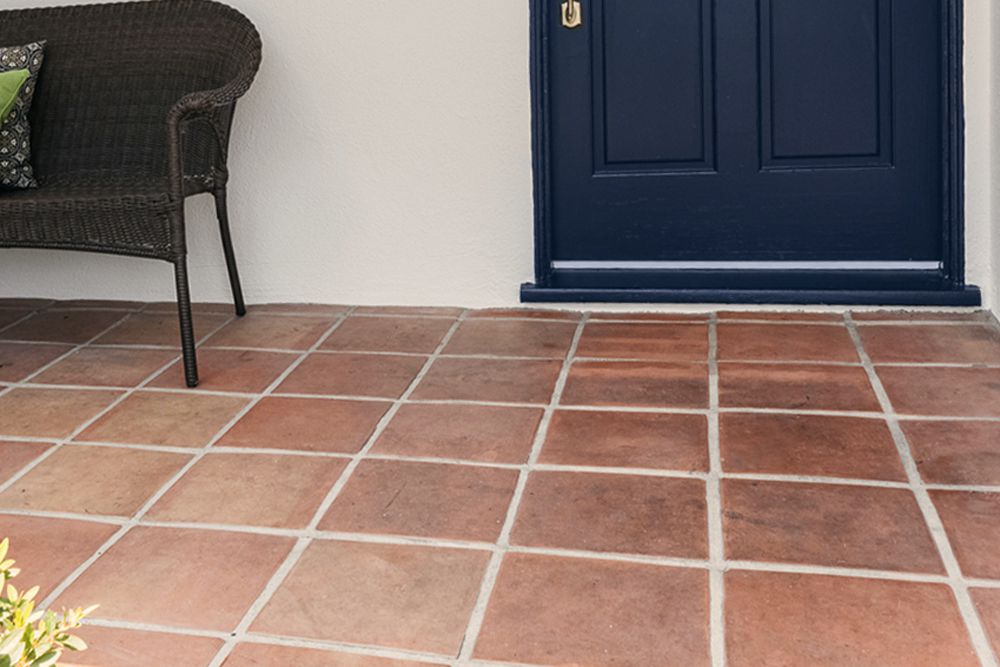
When you want something that will last, nothing quite matches the warm sense of the ground underfoot you get from terracotta tiles in any renovation style. As this material adds textural interest to earthy romance, it means you can create spaces that feel cosy. This blog will walk you through the steps on how to use terracotta tiles in a manner that ensures your renovation passes the test of time.
1. Start by Choosing the Right Shade of Terracotta
When selecting terracotta pavers, you can find them in varied hues, each with a different vibe. There are soft blush tones, rich burnt clay paint colours and mid-range earthy orange hues to suit virtually any home or business renovation project. Since each shade creates a certain mood space, you also want to start by picking a colour that works with the kind of look and feel you want to create.
2. Consider Tile Size to Set the Energy of the Room
Large tiles feel steady and calm because they reduce grout lines and create a smoother visual flow. Smaller tiles add pattern and rhythm, which suits kitchens, entryways, and busy areas that need texture. Larger rooms benefit from bigger tiles because the layout feels more unified. Smaller rooms often work well with medium or compact sizes that bring interest without overwhelming the area.
3. Use Terracotta Tiles to Anchor Open Layouts
Before using terracotta tiles as a feature, see how they help guide movement across open-plan layouts. Because terracotta offers natural warmth, it acts as a grounding element that gives shape to rooms. You can place terracotta across living areas or dining zones to create a soft but structured pathway. The colour defines where one section ends and another begins, which keeps the space from being scattered.
4. Explore Pattern Options to Add Subtle Character
Terracotta tiles allow several layout patterns, and each one affects how you experience the room. Since pattern plays an important role in renovation style, it helps to explore the most versatile options. Take a look at some patterns that suit terracotta tiles:
- Stacked pattern, which gives a neat and modern structure
- Herringbone pattern, which adds movement and detail to narrow hallways or kitchen floors
- Brick bond, which offers a classic, steady rhythm in both large and small rooms
- Diagonal layouts make the room feel wider and more dynamic
5. Balance Terracotta with Complementary Materials
Since terracotta has a rich, earthy tone, pairing it with the right materials keeps the design timeless rather than heavy. Natural timber, warm metals, textured fabrics, and soft neutral walls all sit comfortably beside terracotta. When you mix terracotta with lighter surfaces, you prevent the space from feeling closed in. Meanwhile, pairing it with darker accents gives depth and contrast.
6. Pay Attention to Grout Colour for a Clean Finish
Since terracotta has strong colour variation, the wrong grout shade may interrupt the flow of the tiles. Neutral grout colours blend well with terracotta and allow the tiles to remain the main feature. You can choose a matching grout for a calm and uniform look, or you can select a deeper tone for gentle contrast. Avoid very bright or cool shades, as they disrupt the natural warmth of terracotta.
7. Seal and Maintain Terracotta Properly for Long-Term Appeal
Terracotta is naturally porous, so sealing helps preserve its colour, prevent stains, and make cleaning easier over time. The sealing process also enhances the natural warmth within the clay, giving the tiles a soft sheen that suits both rustic and modern designs. Regular maintenance keeps the tiles looking fresh. Use gentle cleaning products, avoid harsh chemicals, and refresh the sealant when needed.
Creating Long-Lasting Warmth with Terracotta Tiles
Since this material works across many room types, you can build a renovation plan that stays consistent while still allowing variation when needed. By choosing the right shade, layout, materials, and maintenance steps, you ensure the tiles remain beautiful and functional for many years. When used with intention, terracotta becomes a foundation that supports your entire renovation with appeal.

